


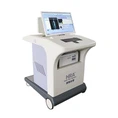

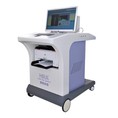
As a supplier of microcirculation therapy devices, I often receive inquiries about the diverse applications of our products. One question that has emerged recently is whether a microcirculation therapy device can be used for oral problems. In this blog post, I'll delve into the science behind microcirculation, explore the potential benefits for oral health, and discuss the practical aspects of using such a device for oral issues.
Understanding Microcirculation
Microcirculation refers to the circulation of blood in the smallest blood vessels, including arterioles, capillaries, and venules. This intricate network is responsible for delivering oxygen, nutrients, and immune cells to tissues while removing waste products. A healthy microcirculation is essential for maintaining the normal function and integrity of all organs and tissues in the body, including those in the oral cavity.
Disruptions in microcirculation can lead to a variety of health problems, such as poor wound healing, inflammation, and tissue damage. Factors that can affect microcirculation include aging, smoking, diabetes, high blood pressure, and certain medications. By improving microcirculation, we can potentially enhance the body's natural healing processes and reduce the risk of developing various health conditions.
The Link Between Microcirculation and Oral Health
The oral cavity is a complex ecosystem that includes the teeth, gums, tongue, and other soft tissues. Maintaining good oral health is crucial not only for a beautiful smile but also for overall well - being. Poor oral hygiene can lead to a range of problems, such as tooth decay, gum disease, and bad breath.
Microcirculation plays a vital role in oral health. Adequate blood flow to the gums and teeth is necessary for the delivery of nutrients and oxygen, which are essential for the growth and repair of oral tissues. It also helps to remove toxins and waste products, preventing the buildup of harmful substances that can cause inflammation and infection.
For example, in cases of periodontal disease, which is an inflammation of the gums and supporting structures of the teeth, there is often a reduction in microcirculation. This can lead to a vicious cycle, where poor blood flow impairs the body's ability to fight off bacteria, resulting in further inflammation and tissue damage. By improving microcirculation, we may be able to break this cycle and promote the healing of periodontal tissues.
How Microcirculation Therapy Devices Work
Microcirculation therapy devices are designed to enhance blood flow in the microvascular system. There are several types of these devices, each using different technologies to achieve the desired effect. Some common methods include the use of low - level laser therapy, electromagnetic fields, and pulsed - wave technology.
Low - level laser therapy (LLLT) works by emitting low - intensity laser light that penetrates the skin and stimulates cellular activity. This can lead to an increase in blood flow, a reduction in inflammation, and an acceleration of the healing process. Electromagnetic field therapy uses magnetic fields to influence the movement of charged particles in the blood, promoting vasodilation and improving microcirculation. Pulsed - wave technology delivers short bursts of energy to the tissues, which can also enhance blood flow and cellular metabolism.
Potential Benefits of Using Microcirculation Therapy Devices for Oral Problems
- Improved Wound Healing: After dental procedures such as extractions, implants, or gum surgery, proper wound healing is crucial. A microcirculation therapy device can help to increase blood flow to the surgical site, delivering more oxygen and nutrients to the cells involved in the healing process. This can lead to faster recovery times and a reduced risk of complications.
- Reduced Inflammation: Inflammation is a common response to oral infections and injuries. By improving microcirculation, these devices can help to reduce inflammation by promoting the removal of inflammatory mediators and enhancing the body's immune response. This can be particularly beneficial for patients with gingivitis or periodontitis.
- Enhanced Oral Tissue Health: Regular use of a microcirculation therapy device may help to maintain the health of the gums, teeth, and other oral tissues. By ensuring adequate blood flow, these devices can support the normal function of oral cells, preventing the development of oral diseases.
Practical Considerations
While the potential benefits of using microcirculation therapy devices for oral problems are promising, there are some practical considerations to keep in mind.
First, it's important to note that these devices should not replace traditional oral hygiene practices such as brushing, flossing, and regular dental check - ups. They are intended to be used as a complementary therapy to support overall oral health.
Second, the use of microcirculation therapy devices for oral problems should be done under the guidance of a dental professional. A dentist can assess your specific oral health needs and determine whether a microcirculation therapy device is appropriate for you. They can also provide instructions on how to use the device safely and effectively.
Third, the effectiveness of these devices may vary depending on the individual and the specific oral problem being treated. Some people may experience significant improvements, while others may see more modest results. It's important to have realistic expectations and to be patient, as the benefits of microcirculation therapy may take time to become apparent.


Our Microcirculation Therapy Devices
As a supplier, we offer a range of high - quality Microcirculation Therapy Device that are designed to improve microcirculation and support overall health. Our devices are based on the latest scientific research and are manufactured using state - of - the - art technology.
We also have Microcirculation Disorder Device that can be used to address various microcirculation - related issues, including those that may affect the oral cavity. These devices are easy to use and are suitable for both home and professional use.
Contact Us for Procurement and Consultation
If you are a dental professional interested in incorporating microcirculation therapy devices into your practice or an individual looking for a way to improve your oral health, we would be happy to discuss your needs. We can provide you with detailed information about our products, including specifications, usage instructions, and pricing.
Whether you are looking to enhance the treatment options for your patients or to take better care of your own oral health, our microcirculation therapy devices may be the solution you've been searching for. Don't hesitate to reach out to us to start a conversation about procurement and find out how our products can make a difference in oral health.
References
- Al-Wahadni, A. M., & Al-Mutairi, K. K. (2017). Low-level laser therapy in dentistry: A review. Journal of Lasers in Medical Sciences, 8(2), 65 - 72.
- Hamblin, M. R., & Demidova - Rice, T. N. (2014). Mechanisms and applications of the anti - inflammatory effects of photobiomodulation. Annals of the New York Academy of Sciences, 1337(1), 113 - 124.
- Matsumoto, Y., & Sato, K. (2009). Effects of electromagnetic fields on microcirculation. Journal of Microcirculation Research, 77(1 - 3), 113 - 119.