


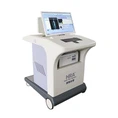

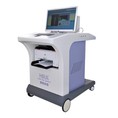
Osteoporosis is a prevalent and debilitating bone disease characterized by low bone mass and deterioration of bone tissue, leading to increased bone fragility and a higher risk of fractures. As the global population ages, the incidence of osteoporosis continues to rise, posing a significant public health challenge. In recent years, there has been growing interest in alternative and complementary therapies for osteoporosis, including Pulsed Electromagnetic Field (PEMF) pulse therapy. As a supplier of Pemf Pulse Therapy Device, I am frequently asked whether our devices can help with osteoporosis. In this blog, I will explore the scientific evidence behind PEMF therapy and its potential benefits for osteoporosis management.
Understanding Osteoporosis
Before delving into the potential of PEMF therapy, it is essential to understand the underlying mechanisms of osteoporosis. Bone is a dynamic tissue that undergoes continuous remodeling throughout life. Osteoblasts are responsible for bone formation, while osteoclasts break down and resorb old bone tissue. In a healthy individual, the balance between bone formation and resorption is tightly regulated. However, in osteoporosis, this balance is disrupted, resulting in a net loss of bone mass over time.
Several factors contribute to the development of osteoporosis, including age, hormonal changes (such as menopause in women), genetics, lifestyle factors (e.g., smoking, excessive alcohol consumption, lack of physical activity), and certain medical conditions or medications. The most common symptoms of osteoporosis are often subtle until a fracture occurs, which can lead to significant pain, disability, and reduced quality of life.
How PEMF Therapy Works
PEMF therapy involves the use of low-frequency electromagnetic fields to stimulate cellular activity in the body. When a PEMF device is applied to the body, the electromagnetic pulses penetrate the tissues and interact with cells at a molecular level. This interaction can have several effects on cellular function, including:
- Enhanced Cell Metabolism: PEMF stimulates the production of adenosine triphosphate (ATP), the primary energy source for cells. By increasing ATP production, cells have more energy available for various metabolic processes, including bone formation.
- Improved Blood Circulation: The electromagnetic pulses can dilate blood vessels, improving blood flow to the treated area. This increased blood circulation delivers more oxygen, nutrients, and immune cells to the bones, promoting healing and regeneration.
- Regulation of Cell Signaling Pathways: PEMF can modulate the activity of various signaling pathways within cells, influencing gene expression and cellular behavior. In the context of bone health, PEMF may promote the differentiation and activity of osteoblasts, the cells responsible for bone formation, while inhibiting the activity of osteoclasts, the cells involved in bone resorption.
Scientific Evidence for PEMF Therapy in Osteoporosis
Numerous preclinical and clinical studies have investigated the potential of PEMF therapy for osteoporosis. While the results are not entirely conclusive, there is growing evidence to suggest that PEMF may have beneficial effects on bone health.
Preclinical Studies
Animal studies have provided valuable insights into the mechanisms by which PEMF may affect bone metabolism. For example, a study published in the Journal of Bone and Mineral Research found that PEMF treatment increased bone mineral density (BMD) and improved bone microarchitecture in ovariectomized rats, a commonly used animal model of postmenopausal osteoporosis. Another study showed that PEMF stimulated the proliferation and differentiation of osteoblasts in vitro, suggesting a direct effect on bone formation.
Clinical Studies
Clinical trials in humans have also reported promising results. A systematic review and meta-analysis of 13 randomized controlled trials involving a total of 935 participants with osteoporosis found that PEMF therapy significantly increased BMD at the lumbar spine and femoral neck compared to placebo. The review also noted a reduction in the risk of vertebral fractures in patients treated with PEMF.
However, it is important to note that not all clinical studies have reported positive results. Some studies have found no significant difference in BMD or fracture risk between PEMF-treated patients and controls. These discrepancies may be due to differences in study design, PEMF parameters (e.g., frequency, intensity, duration of treatment), and patient characteristics.
Advantages of PEMF Therapy for Osteoporosis
One of the main advantages of PEMF therapy is its non-invasive nature. Unlike some traditional treatments for osteoporosis, such as bisphosphonates or hormone replacement therapy, PEMF therapy does not involve the use of drugs and is generally well-tolerated with few side effects. This makes it an attractive option for patients who may be reluctant to take medications or who have contraindications to traditional treatments.
In addition, PEMF therapy can be used in conjunction with other osteoporosis treatments to enhance their effectiveness. For example, combining PEMF therapy with calcium and vitamin D supplementation or physical therapy may provide synergistic benefits for bone health.
Our PEMF Pulse Therapy Devices
As a supplier of Pemf Pulse Therapy Device, we offer a range of high-quality products designed to meet the needs of patients with osteoporosis. Our devices are equipped with advanced technology that allows for precise control of PEMF parameters, ensuring optimal treatment outcomes.


One of our popular products is the Pulse Magnetic Field Mat, which can be used for whole-body treatment. The mat is designed to deliver a uniform PEMF throughout the body, targeting multiple areas simultaneously. This makes it convenient for patients to receive treatment while resting or sleeping.
We also offer Electromagnetic Therapy Machine that can be used for localized treatment of specific areas affected by osteoporosis, such as the spine or hips. These machines are portable and easy to use, allowing patients to receive treatment at home or on the go.
Conclusion
While more research is needed to fully understand the effectiveness of PEMF therapy for osteoporosis, the existing scientific evidence suggests that it may have potential benefits for bone health. PEMF therapy offers a non-invasive, well-tolerated alternative or adjunct to traditional osteoporosis treatments.
If you or someone you know is struggling with osteoporosis, we encourage you to consider Pemf Pulse Therapy Device as a potential treatment option. Our team of experts is available to provide more information and answer any questions you may have. Contact us today to learn more about our products and how they can help improve bone health and quality of life.
References
- Rubin, C., et al. "Low-intensity pulsed ultrasound and pulsed electromagnetic fields in the treatment of osteoporosis and fracture healing." Journal of Bone and Mineral Research, 2004.
- Zhang, X., et al. "Pulsed electromagnetic field therapy for osteoporosis: A systematic review and meta-analysis." Osteoporosis International, 2017.
- Bassett, C. A. L., et al. "A non-invasive orthopaedic therapy: the use of pulsed electromagnetic fields to stimulate bone repair and regeneration." Journal of Bone and Joint Surgery, 1974.