



Hey there! As a supplier of rhinitis treatment instruments, I often get asked a bunch of questions, and one that pops up quite a bit is, "Can a rhinitis treatment instrument be used during pregnancy?" It's a super important question, and today, I'm gonna break it down for you.


First off, let's talk about what rhinitis is. Rhinitis is basically an inflammation of the nasal passages. It can be caused by a bunch of things, like allergies, infections, or even changes in the weather. When you've got rhinitis, you might experience symptoms like a runny nose, sneezing, nasal congestion, and itching. It's not fun, especially when you're pregnant and your body is already going through so many changes.
Now, during pregnancy, a woman's body undergoes a whole bunch of hormonal changes. These changes can sometimes make existing health conditions worse, and they can also cause new ones to pop up. Rhinitis is one of those conditions that can get worse during pregnancy. In fact, it's estimated that around 20% of pregnant women experience rhinitis at some point during their pregnancy. This is often called "pregnancy rhinitis," and it's thought to be caused by the increased levels of hormones in the body, which can cause the blood vessels in the nasal passages to swell.
So, can you use a rhinitis treatment instrument during pregnancy? Well, the answer isn't a simple yes or no. It really depends on the type of instrument and the ingredients it uses.
Let's start with the different types of rhinitis treatment instruments out there. There are a few common ones, like nasal sprays, nasal irrigation devices, and Chronic Allergic Rhinitis Treatment Instrument. Each of these works in a different way to treat rhinitis.
Nasal sprays are probably the most well - known. They can be either medicated or non - medicated. Medicated nasal sprays often contain things like antihistamines or decongestants. These can be very effective at relieving the symptoms of rhinitis, but they're not always safe to use during pregnancy. Antihistamines, for example, can sometimes cross the placenta and affect the developing baby. Decongestants can also have potential side effects, like increasing blood pressure, which is something you definitely want to avoid during pregnancy.
Non - medicated nasal sprays, on the other hand, are usually just saline solutions. Saline sprays are basically just salt water, and they're generally considered safe to use during pregnancy. They work by moisturizing the nasal passages and helping to flush out any mucus or irritants. They can provide some relief from nasal congestion and dryness.
Nasal irrigation devices are another option. These are used to rinse out the nasal passages with a saline solution. They can be very effective at removing allergens, mucus, and other irritants from the nose. Like non - medicated nasal sprays, nasal irrigation with a saline solution is generally considered safe during pregnancy. It can help to relieve nasal congestion and make breathing easier.
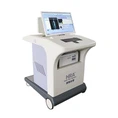
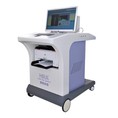
Then there's the Rhinitis Treatment Instrument. These instruments use different technologies, like light therapy or electrotherapy, to treat rhinitis. The safety of these instruments during pregnancy isn't as well - studied as that of nasal sprays and irrigation devices. Some of them claim to be safe and non - invasive, but it's always a good idea to check with your doctor before using them.
When it comes to using any rhinitis treatment instrument during pregnancy, the most important thing is to talk to your doctor or midwife first. They know your medical history and the specific details of your pregnancy, so they can give you the best advice on whether a particular instrument is safe for you to use.
If your doctor gives you the green light to use a rhinitis treatment instrument, there are still a few things to keep in mind. First, make sure you follow the instructions carefully. Using the instrument incorrectly could lead to problems, like irritation or infection. Also, pay attention to how your body reacts. If you experience any new or worsening symptoms, stop using the instrument and call your doctor right away.
Another thing to consider is the long - term effects. Even if an instrument is considered safe to use during pregnancy, you might still want to limit your use of it. For example, if you're using a nasal spray, try not to use it more often than recommended. Overusing nasal sprays can sometimes lead to a condition called "rhinitis medicamentosa," which is basically a rebound effect where your nasal congestion gets worse.
Now, as a supplier of rhinitis treatment instruments, I understand that pregnant women are extra cautious about what they use. That's why we offer a range of products that are designed to be as safe as possible. Our Apparatus for Relieving Allergic Rhinitis is a great option for those looking for a non - medicated way to relieve their rhinitis symptoms. It uses gentle technology to target the root causes of rhinitis without the need for harsh chemicals.
If you're pregnant and suffering from rhinitis, don't suffer in silence. There are options available, but it's important to make informed decisions. Talk to your doctor, do your research, and choose the treatment that's right for you.
If you're interested in learning more about our rhinitis treatment instruments or want to discuss your specific needs, I'd love to hear from you. We're here to help you find the best solution for your rhinitis, whether you're pregnant or not. Reach out to us for a friendly chat and let's see how we can make your life a bit more comfortable.
References:
- American College of Obstetricians and Gynecologists. (2023). Management of rhinitis during pregnancy.
- Mayo Clinic. (2023). Pregnancy rhinitis.
- National Institute of Allergy and Infectious Diseases. (2023). Rhinitis: Causes, symptoms, and treatment.