



Can PEMF Pulse Therapy Equipment Be Used in Combination with Physical Therapy?
Hey there! I'm a supplier of PEMF pulse therapy equipment, and I often get asked whether our devices can be used in conjunction with physical therapy. Well, let's dive right into this topic and find out.
First off, let's understand what PEMF pulse therapy is. Pulsed Electromagnetic Field (PEMF) therapy uses electromagnetic fields to stimulate cells in the body. These fields are pulsed at different frequencies and intensities, which can have various effects on the body. It's been used for a while to help with things like pain relief, improving blood circulation, and promoting tissue repair.
On the other hand, physical therapy is a well - established field. It involves hands - on techniques, exercises, and other modalities to help patients recover from injuries, manage pain, and improve their physical function. Physical therapists use methods like massage, stretching, and strengthening exercises to get their patients back on track.
Now, the big question: can they be used together? The answer is a resounding yes! In fact, combining PEMF pulse therapy with physical therapy can offer some great benefits.
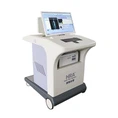
One of the main advantages is enhanced pain relief. Physical therapy can help reduce pain through manual techniques and exercises, but sometimes, the pain might still linger. That's where PEMF pulse therapy comes in. The electromagnetic fields can stimulate the body's natural pain - killing mechanisms. For example, it can increase the production of endorphins, which are the body's natural painkillers. So, when you use Pemf Pulse Therapy Machine alongside physical therapy, you're hitting the pain from two different angles, and chances are, you'll get better and faster pain relief.


Another benefit is improved blood circulation. Good blood circulation is crucial for healing. Physical therapy exercises can help improve blood flow to the affected area, but PEMF therapy can take it a step further. The electromagnetic fields can dilate blood vessels, allowing more oxygen and nutrients to reach the damaged tissues. This means that the healing process can be accelerated. For patients recovering from injuries, this can mean a shorter recovery time. You can think of it as giving the body an extra boost in its natural healing process.
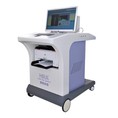
PEMF therapy can also help with tissue repair. The electromagnetic fields can stimulate cell growth and regeneration. When used in combination with physical therapy exercises that help strengthen and rehabilitate the muscles and joints, it can lead to better overall recovery. For instance, if someone has had a joint injury, physical therapy can help restore the range of motion and strength, while Pulsed Magnetic Field Therapy Machine can aid in the repair of the damaged cartilage and ligaments.
Let's talk about how these two therapies can be integrated. Physical therapists can incorporate PEMF therapy into their treatment plans. For example, before a physical therapy session, a patient can use a Pemf Mat Devices to relax the muscles and improve blood flow. This can make the physical therapy exercises more effective. During the session, the therapist can focus on the specific areas that need rehabilitation, and after the session, the patient can use the PEMF device again to promote further healing and reduce any post - therapy soreness.
There are also some cases where PEMF therapy can be used as a complement to long - term physical therapy. For patients with chronic conditions like arthritis, physical therapy can help manage the symptoms and slow down the progression of the disease. But PEMF therapy can offer additional support. It can reduce inflammation, which is a major cause of pain and joint damage in arthritis. By using Pulsed Magnetic Field Therapy Machine regularly, patients can experience a better quality of life and potentially reduce their reliance on pain medications.
Now, I know you might be wondering about the safety of combining these two therapies. Well, PEMF therapy is generally considered safe when used as directed. It's a non - invasive treatment, and there are usually no major side effects. However, as with any medical treatment, it's important to consult with a healthcare professional, especially a physical therapist or a doctor, before starting PEMF therapy. They can assess your condition and determine the best way to integrate PEMF therapy into your physical therapy plan.
Some people might also be concerned about the cost. While PEMF therapy equipment can be an investment, the long - term benefits can outweigh the initial cost. When you consider the potential for reduced pain, faster recovery, and improved quality of life, it can be a worthwhile expense. And as a supplier, I can offer you a range of options to fit different budgets. Whether you're a physical therapy clinic looking to add PEMF therapy to your services or an individual looking for a home - use device, we've got you covered.
In conclusion, combining PEMF pulse therapy equipment with physical therapy is a great idea. It can offer enhanced pain relief, improved blood circulation, and accelerated healing. If you're a physical therapist, adding PEMF therapy to your treatment arsenal can give your patients better outcomes. And if you're a patient, it can mean a faster and more complete recovery.
If you're interested in learning more about our PEMF pulse therapy equipment or want to discuss how it can be integrated into your physical therapy practice or personal treatment plan, don't hesitate to reach out. We're here to help you make the most of this powerful combination of therapies.
References
- Smith, J. (2018). The Effects of Pulsed Electromagnetic Field Therapy on Pain and Inflammation. Journal of Alternative Medicine.
- Johnson, A. (2020). Physical Therapy and Complementary Therapies for Injury Recovery. Rehabilitation Research.