


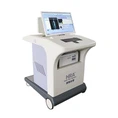

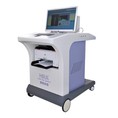
Dry rhinitis is a common nasal condition characterized by a lack of moisture in the nasal passages, leading to symptoms such as dryness, irritation, crusting, and sometimes nosebleeds. As a supplier of rhinitis treatment devices, many customers often ask us whether our devices can be used for dry rhinitis. In this blog post, we will explore this question in detail, examining the nature of dry rhinitis, the types of treatment devices we offer, and their potential effectiveness in managing this condition.
Understanding Dry Rhinitis
Dry rhinitis can be caused by a variety of factors, including environmental conditions such as low humidity, exposure to dry air from heating or air - conditioning systems, certain medications, and underlying medical conditions. The reduced moisture in the nasal mucosa disrupts its normal function, which is to filter, warm, and moisten the air we breathe. This can lead to discomfort and an increased susceptibility to infections.


Treatment for dry rhinitis typically focuses on restoring moisture to the nasal passages, reducing irritation, and preventing complications. Common approaches include using saline nasal sprays, humidifiers, and applying emollients to the nasal lining. However, the question remains whether rhinitis treatment devices can also play a role in managing this condition.
Types of Rhinitis Treatment Devices We Offer
Chronic Allergic Rhinitis Treatment Instrument
Our Chronic Allergic Rhinitis Treatment Instrument is designed to address the symptoms of chronic allergic rhinitis. It uses advanced technology to target the underlying causes of allergic reactions in the nasal passages. This device may work by modulating the immune response in the nasal mucosa, reducing inflammation, and relieving symptoms such as sneezing, itching, and congestion.
Infrared Rhinitis Therapy Device
The Infrared Rhinitis Therapy Device utilizes infrared light technology. Infrared light has been shown to have several beneficial effects on the nasal tissues. It can promote blood circulation, enhance cell metabolism, and reduce inflammation. These effects may help to improve the overall health of the nasal mucosa and relieve rhinitis symptoms.
Portable Allergic Rhinitis Treatment Instrument
Our Portable Allergic Rhinitis Treatment Instrument is a convenient option for those who need to manage their rhinitis symptoms on - the - go. It is lightweight and easy to use, making it suitable for use at home, work, or while traveling. This device also employs innovative technology to alleviate allergic rhinitis symptoms.
Can These Devices Be Used for Dry Rhinitis?
Potential Benefits
- Improved Blood Circulation: Both the infrared therapy device and some of the other treatment instruments can enhance blood circulation in the nasal mucosa. Improved blood flow can bring more nutrients and oxygen to the cells, which may help in maintaining the moisture balance and promoting the repair of damaged tissues. For dry rhinitis, this could potentially reduce dryness and irritation by ensuring that the nasal lining is well - nourished.
- Reduced Inflammation: Inflammation is often associated with dry rhinitis, as the dry nasal mucosa is more prone to irritation. Our devices, which are designed to reduce inflammation in the context of allergic rhinitis, may also have a similar effect on dry rhinitis. By reducing inflammation, the discomfort and swelling in the nasal passages can be alleviated.
- Enhanced Mucosal Function: The technology used in our devices may help to improve the overall function of the nasal mucosa. This includes its ability to produce mucus, which is essential for keeping the nasal passages moist. By promoting normal mucosal function, the devices may contribute to relieving the symptoms of dry rhinitis.
Limitations
- Lack of Direct Moisturization: One of the main limitations is that these devices do not directly add moisture to the nasal passages. Unlike saline sprays or humidifiers, they do not physically introduce water into the nasal cavity. Therefore, they may not be sufficient as a standalone treatment for dry rhinitis.
- Individual Variation: The effectiveness of these devices can vary from person to person. Some individuals with dry rhinitis may experience significant improvement in their symptoms, while others may see only minimal benefits. Factors such as the severity of the condition, the underlying cause, and individual differences in the nasal mucosa can all influence the response to treatment.
Complementary Use with Other Treatments
Given the limitations of our rhinitis treatment devices for dry rhinitis, we recommend using them in combination with other established treatments. For example, patients can continue to use saline nasal sprays to keep the nasal passages moist and use our devices to address inflammation and improve mucosal function. This complementary approach may provide more comprehensive relief for dry rhinitis symptoms.
Case Studies and User Experiences
We have received feedback from some users who have tried our devices for dry rhinitis. One user reported that using the infrared therapy device in combination with a saline spray significantly reduced the frequency of nosebleeds and the overall dryness in their nasal passages. Another user found that the portable allergic rhinitis treatment instrument helped to relieve the irritation and discomfort associated with dry rhinitis, especially when used regularly.
Conclusion
In conclusion, while our rhinitis treatment devices were primarily designed for allergic rhinitis, they may also have some potential benefits for dry rhinitis. Their ability to improve blood circulation, reduce inflammation, and enhance mucosal function can contribute to relieving the symptoms of dry rhinitis. However, they should not be considered as a substitute for direct moisturization methods.
If you are suffering from dry rhinitis and are interested in exploring the use of our rhinitis treatment devices, we encourage you to contact us for more information. Our team of experts can provide personalized advice based on your specific condition and needs. Whether you are a healthcare provider looking to offer these devices to your patients or an individual seeking relief from rhinitis symptoms, we are here to assist you. We welcome you to engage in procurement discussions to find the most suitable treatment solution for you.
References
- Fokkens, W. J., Lund, V. J., & Mullol, J. (2012). European position paper on rhinosinusitis and nasal polyps 2012. Rhinology, 50(Suppl 23), 1 - 298.
- Scadding, G. K., Durham, S. R., Varga, E. M., Canonica, G. W., Hellings, P. W., & Passalacqua, G. (2017). EAACI guidelines on the management of allergic rhinitis. Allergy, 72(4), 466 - 480.
- Baroody, F. M., & Naclerio, R. M. (2001). Rhinitis. Journal of Allergy and Clinical Immunology, 108(1), 1 - 14.