



As a supplier of health checkup machines, I often encounter questions from customers regarding the necessity of regular calibration for these devices. In this blog, I'll delve into the importance of calibrating health checkup machines regularly, explore the factors that influence the calibration process, and share some insights on how proper calibration can enhance the reliability and effectiveness of these crucial medical tools.


The Significance of Regular Calibration
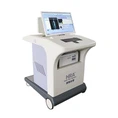
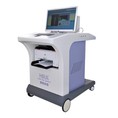
Health checkup machines play a pivotal role in modern healthcare, providing valuable diagnostic information that aids medical professionals in making informed decisions about patient care. From blood pressure monitors and glucose meters to more advanced Full Body Scanner Machine in Hospital and Physical Examination Instruments, these devices must deliver accurate and consistent results to ensure the best possible outcomes for patients.
Regular calibration is essential to maintain the accuracy of health checkup machines. Over time, various factors can cause these devices to drift from their original calibration settings, leading to inaccurate readings. Environmental conditions, such as temperature and humidity, can affect the performance of sensors and other components. Mechanical wear and tear, electrical interference, and even normal aging of the device can also contribute to calibration issues.
When a health checkup machine is not properly calibrated, the consequences can be severe. Inaccurate readings can lead to misdiagnosis, which may result in inappropriate treatment or delayed medical intervention. This can have a significant impact on patient health and well-being, potentially leading to unnecessary suffering, complications, and even death. By contrast, regular calibration helps to ensure that these machines are functioning correctly, providing reliable data that can be trusted by medical professionals.
How Calibration Works
Calibration is a process that involves comparing the measurements of a health checkup machine to a known standard. This standard is typically a reference device or a set of reference values that have been established through rigorous testing and validation. During the calibration process, adjustments are made to the machine's internal settings to ensure that its measurements align as closely as possible with the reference standard.
The calibration process can vary depending on the type of health checkup machine and the specific requirements of the manufacturer. Some machines may require manual calibration, which involves adjusting the device's settings using a calibration tool or software. Other machines may have automated calibration features that can perform the calibration process automatically at regular intervals.
Regardless of the calibration method, it is important to follow the manufacturer's instructions carefully to ensure that the calibration is performed correctly. This may involve using specific calibration equipment, following a particular calibration procedure, and documenting the results of the calibration for future reference.
Factors Influencing Calibration Frequency
The frequency of calibration for health checkup machines depends on several factors, including the type of device, its usage, and the manufacturer's recommendations. In general, more critical and complex devices may require more frequent calibration than simpler, less critical devices.
For example, a blood pressure monitor that is used daily in a busy medical clinic may need to be calibrated more frequently than a glucose meter that is used less often in a home setting. Similarly, a Full Body Scanner Machine in Hospital that is used to diagnose serious medical conditions may require more frequent calibration than a basic body weight scale.
The manufacturer's recommendations are also an important factor to consider when determining the calibration frequency. Most manufacturers provide guidelines on how often their devices should be calibrated, based on their design, performance, and expected usage. It is important to follow these recommendations to ensure that the device remains accurate and reliable.
In addition to the type of device and the manufacturer's recommendations, other factors that may influence the calibration frequency include the environment in which the device is used, the level of maintenance and care it receives, and any changes in the device's performance or functionality. For example, if a device is exposed to extreme temperatures, humidity, or other harsh environmental conditions, it may need to be calibrated more frequently to compensate for the effects of these conditions.
Benefits of Regular Calibration
Regular calibration of health checkup machines offers several benefits, both for medical professionals and for patients. Some of the key benefits include:
- Accurate Readings: As mentioned earlier, regular calibration helps to ensure that health checkup machines provide accurate and reliable readings. This is essential for making informed medical decisions and providing appropriate treatment to patients.
- Compliance with Regulations: Many regulatory bodies, such as the Food and Drug Administration (FDA) in the United States, require that medical devices be calibrated regularly to ensure their safety and effectiveness. By calibrating your health checkup machines regularly, you can ensure that you are in compliance with these regulations and avoid potential legal issues.
- Improved Patient Safety: Accurate readings from health checkup machines are essential for patient safety. By ensuring that these machines are properly calibrated, you can help to reduce the risk of misdiagnosis and inappropriate treatment, which can have a significant impact on patient health and well-being.
- Extended Device Lifespan: Regular calibration can also help to extend the lifespan of health checkup machines. By ensuring that the device is functioning correctly and not being subjected to unnecessary stress or wear and tear, you can help to prevent premature failure and reduce the need for costly repairs or replacements.
- Enhanced Reputation: Providing accurate and reliable health checkup services can help to enhance your reputation as a healthcare provider. By investing in regular calibration of your health checkup machines, you can demonstrate your commitment to quality and patient safety, which can help to attract and retain patients.
Conclusion
In conclusion, regular calibration of health checkup machines is essential for ensuring their accuracy, reliability, and effectiveness. By following the manufacturer's recommendations and implementing a regular calibration schedule, you can help to ensure that these machines are providing accurate and consistent results, which is crucial for making informed medical decisions and providing appropriate treatment to patients.
As a supplier of health checkup machines, I understand the importance of calibration and am committed to providing our customers with the support and resources they need to ensure that their devices are properly calibrated. If you have any questions or concerns about calibration or would like to learn more about our products and services, please don't hesitate to contact us. We would be happy to discuss your specific needs and help you find the right solution for your healthcare facility.
References
- American Society for Testing and Materials (ASTM). (2019). Standard Guide for Calibration of Medical Devices. ASTM International.
- International Organization for Standardization (ISO). (2017). Medical devices - Quality management systems - Requirements for regulatory purposes. ISO 13485:2016.
- U.S. Food and Drug Administration (FDA). (2020). Medical Device Performance Testing and Determination of Shelf Life. Guidance for Industry and Food and Drug Administration Staff.