



In the realm of healthcare, the methods of assessing health risks have evolved significantly over the years. Traditional in - person medical consultations have long been the cornerstone of healthcare delivery, but with technological advancements, health risk assessment devices have emerged as a potential alternative or complementary tool. As a supplier of health risk assessment devices, I am well - positioned to explore and compare these two approaches.
In - Person Medical Consultations: The Time - Tested Approach
In - person medical consultations have a rich history and offer several unique advantages. When a patient visits a doctor, they engage in direct face - to - face communication. This allows the doctor to observe the patient's overall appearance, body language, and demeanor, which can provide valuable clues about their health. For example, a doctor can notice signs of fatigue, jaundice, or nervousness simply by looking at the patient.
Doctors also have the ability to perform physical examinations. They can use their hands to palpate organs, check reflexes, and listen to the heart and lungs. This hands - on approach provides a level of tactile feedback that is difficult to replicate with a device. For instance, during a physical examination, a doctor may detect an enlarged liver or a suspicious lump that could indicate a serious health condition.


Moreover, in - person consultations allow for detailed and personalized discussions. Patients can share their medical history, lifestyle habits, and current symptoms in a private and confidential setting. Doctors can then ask follow - up questions to gain a comprehensive understanding of the patient's situation. This personalized interaction helps in building trust between the patient and the doctor, which is crucial for effective healthcare.
However, in - person medical consultations also have some limitations. Firstly, they can be time - consuming. Patients often have to wait for an appointment, sometimes for weeks or even months, especially for specialized consultations. The actual consultation may also be limited by time constraints, as doctors typically have a busy schedule and may not be able to spend as much time with each patient as they would like.
Secondly, in - person consultations can be costly. There are expenses associated with the doctor's time, the use of medical facilities, and any diagnostic tests that may be required. For some patients, especially those without adequate insurance coverage, these costs can be a significant barrier to accessing healthcare.
Health Risk Assessment Devices: The Technological Solution
Health risk assessment devices, on the other hand, offer a more convenient and cost - effective alternative. These devices can quickly and efficiently collect a wide range of health data. For example, some devices can measure vital signs such as blood pressure, heart rate, and body temperature, as well as analyze blood samples for various biomarkers.
One of the key advantages of health risk assessment devices is their accessibility. They can be used in a variety of settings, including homes, workplaces, and community centers. This means that patients can monitor their health regularly without having to visit a doctor's office. For instance, a person with hypertension can use a home blood pressure monitor to keep track of their blood pressure readings and adjust their lifestyle or medication accordingly.
Health risk assessment devices also provide objective and consistent data. Unlike in - person consultations, where the interpretation of symptoms and test results may vary from doctor to doctor, devices follow pre - programmed algorithms to analyze data. This reduces the potential for human error and ensures that the results are reliable.
Another benefit is the speed of results. With a health risk assessment device, patients can get immediate feedback on their health status. This can be particularly useful in situations where early detection is crucial, such as in the case of certain chronic diseases.
However, health risk assessment devices also have their drawbacks. They lack the human touch and personalized interaction that is present in in - person consultations. Devices cannot observe a patient's body language or ask follow - up questions based on the patient's responses. Additionally, the accuracy of some devices may be limited, especially if they are not used correctly or if they are of low quality.
A Comparative Analysis
When comparing health risk assessment devices to in - person medical consultations, it is important to consider several factors.
Accuracy
In - person medical consultations generally have a high level of accuracy, especially when it comes to complex diagnoses. Doctors have years of training and experience in interpreting a wide range of symptoms and test results. They can also take into account the patient's overall medical history and lifestyle factors. However, human error is still possible, and misdiagnoses can occur.
Health risk assessment devices can provide accurate data for basic health parameters. For example, a well - calibrated blood pressure monitor can give reliable blood pressure readings. However, for more complex health conditions, the accuracy of devices may be limited. They may not be able to detect all potential health problems, and the interpretation of the data may require further medical expertise.
Convenience
In - person medical consultations require patients to schedule an appointment, travel to the doctor's office, and wait for their turn. This can be a significant inconvenience, especially for people with busy schedules or limited mobility.
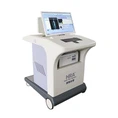
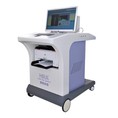
Health risk assessment devices offer much greater convenience. They can be used at any time and in any place, allowing patients to monitor their health at their own pace. For example, a person can use a Full Body Check - Up Machine at home and get instant results without having to leave their house.
Cost
In - person medical consultations can be expensive, especially for patients without insurance. There are costs associated with the doctor's fees, the use of medical facilities, and any additional tests or treatments.
Health risk assessment devices, on the other hand, can be a more cost - effective option in the long run. Once a patient purchases a device, they can use it repeatedly without having to pay for each consultation. For example, a Health Risk Appraisal System Machine can provide multiple health assessments over time at a relatively low cost.
Personalization
In - person medical consultations offer a high level of personalization. Doctors can tailor their advice and treatment plans based on the individual needs and circumstances of each patient. They can also provide emotional support and counseling, which is an important aspect of healthcare.
Health risk assessment devices, while they can provide general health advice based on the collected data, lack the ability to offer truly personalized care. They do not have the ability to understand the patient's unique situation and emotions in the same way that a doctor can.
Complementary Roles
Rather than viewing health risk assessment devices and in - person medical consultations as competing approaches, it is more beneficial to see them as complementary. Health risk assessment devices can be used as a screening tool to identify potential health problems early. For example, a person can use a device to monitor their health regularly and detect any abnormal changes. If the device indicates a potential problem, the patient can then schedule an in - person consultation with a doctor for further evaluation and diagnosis.
On the other hand, in - person medical consultations can provide the necessary expertise and personalized care that devices cannot offer. Doctors can interpret the data collected by the devices, perform more in - depth examinations, and develop comprehensive treatment plans.
In addition, healthcare providers can use the data collected by health risk assessment devices to improve the quality of in - person consultations. For example, doctors can review the patient's health data before the consultation, which can save time and allow for a more focused discussion.
Conclusion
In conclusion, both health risk assessment devices and in - person medical consultations have their own strengths and weaknesses. In - person consultations offer personalized care, hands - on physical examinations, and the expertise of medical professionals. Health risk assessment devices, on the other hand, provide convenience, accessibility, and objective data.
As a supplier of health risk assessment devices, I believe that these devices have the potential to revolutionize the way we approach healthcare. They can empower patients to take control of their health and make informed decisions. However, they should not replace in - person medical consultations entirely. Instead, they should be used in conjunction with traditional healthcare services to provide a more comprehensive and efficient approach to health risk assessment.
If you are interested in exploring the benefits of our Physical Examination Instruments, Health Risk Appraisal System Machine, or Full Body Check - Up Machine, we encourage you to contact us for a procurement discussion. We are committed to providing high - quality health risk assessment devices that can enhance the healthcare experience for both patients and healthcare providers.
References
- Smith, J. (2018). The Future of Healthcare: Integrating Technology and Traditional Medicine. Journal of Medical Innovation, 15(2), 45 - 52.
- Johnson, A. (2019). The Role of Health Monitoring Devices in Preventive Healthcare. International Journal of Health Sciences, 22(3), 78 - 85.
- Brown, C. (2020). Comparing In - Person and Remote Healthcare Services: A Systematic Review. Journal of Healthcare Delivery, 30(1), 12 - 20.