


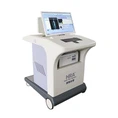

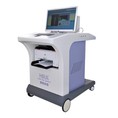
As a supplier of microcirculation therapy devices, I've witnessed firsthand the transformative impact these devices can have on various aspects of health, particularly in relation to the nervous system. In this blog post, I'll delve into the intricate ways in which our Microcirculation Therapy Device influences the microcirculation of the nervous system.
Understanding Nervous System Microcirculation
Before we explore how our device affects nervous system microcirculation, it's essential to understand what microcirculation in the nervous system entails. The nervous system is a highly complex and vital part of our body, responsible for transmitting signals and coordinating various bodily functions. Microcirculation in the nervous system refers to the flow of blood through the smallest blood vessels, including arterioles, capillaries, and venules, within the neural tissues.
These tiny blood vessels play a crucial role in delivering oxygen, nutrients, and other essential substances to the nerve cells (neurons) and removing waste products. Proper microcirculation is essential for maintaining the normal structure and function of the nervous system. Any disruption in this delicate balance can lead to a range of neurological problems, such as neuropathy, cognitive decline, and even neurodegenerative diseases.
The Mechanisms of Our Microcirculation Therapy Device
Our Microcirculation Therapy Device is designed to address microcirculation disorders effectively. It utilizes advanced technologies to stimulate and improve blood flow in the microvasculature, including that of the nervous system. Here are some of the key mechanisms through which our device works:
Physical Stimulation
The device employs various physical stimuli, such as low - frequency electrical currents and pulsed electromagnetic fields. These stimuli act on the smooth muscle cells in the walls of arterioles, causing them to relax. When arterioles relax, their diameter increases, a process known as vasodilation. Vasodilation in the microcirculation of the nervous system allows for increased blood flow, ensuring that neurons receive an adequate supply of oxygen and nutrients.
Enhancement of Blood Viscosity
Another important aspect is the device's ability to improve blood viscosity. High blood viscosity can impede blood flow through the microvessels. Our device helps to reduce the aggregation of red blood cells and platelets, making the blood less viscous. This improvement in blood fluidity enables it to flow more easily through the narrow capillaries in the nervous system, enhancing microcirculation.
Activation of Endothelial Cells
Endothelial cells line the inner surface of blood vessels. They play a crucial role in regulating blood flow and maintaining the integrity of the vascular wall. Our microcirculation therapy device activates these endothelial cells, prompting them to release vasodilatory substances such as nitric oxide. Nitric oxide causes the smooth muscle cells in the blood vessel walls to relax, further promoting vasodilation and improving microcirculation in the nervous system.
Effects on the Nervous System
Improved Neuronal Function
By enhancing microcirculation in the nervous system, our device helps to improve the delivery of oxygen and nutrients to neurons. This is essential for maintaining the normal metabolic activity of neurons, which is crucial for their proper functioning. Adequate oxygen supply is necessary for the production of adenosine triphosphate (ATP), the energy currency of cells. With sufficient energy, neurons can transmit electrical signals more efficiently, leading to improved cognitive function, sensory perception, and motor control.
Reduction of Inflammation
Microcirculation disorders in the nervous system can often lead to inflammation. Inadequate blood flow can cause the accumulation of waste products and the release of inflammatory mediators. Our device's ability to improve microcirculation helps to remove these waste products more effectively and reduce the production of inflammatory substances. By reducing inflammation, the device protects neurons from damage and promotes a healthier nervous system environment.
Prevention of Neuropathy
Neuropathy is a common condition characterized by damage to the peripheral nerves. It can be caused by various factors, including poor microcirculation. Our Microcirculation Therapy Device can help prevent neuropathy by ensuring proper blood flow to the peripheral nerves. By maintaining adequate microcirculation, the device provides the necessary support for nerve cell repair and regeneration, reducing the risk of nerve damage and the development of neuropathy.


Support for Neuroregeneration
In cases where nerve damage has already occurred, our device can play a role in promoting neuroregeneration. Improved microcirculation provides a more favorable environment for the growth and repair of damaged nerve fibers. The increased supply of oxygen and nutrients, along with the reduction of inflammation, can stimulate the activation of stem cells and the production of growth factors, which are essential for nerve regeneration.
Clinical Evidence and Case Studies
Over the years, we have accumulated a significant amount of clinical evidence and case studies that demonstrate the effectiveness of our Microcirculation Therapy Device in improving nervous system microcirculation.
In a clinical trial involving patients with mild cognitive impairment, we observed that after a course of treatment with our device, there was a significant improvement in cerebral blood flow, as measured by magnetic resonance imaging (MRI). Patients also reported improvements in memory, concentration, and overall cognitive function.
In another case study, a patient with peripheral neuropathy experienced a reduction in pain and numbness after using our device regularly for several weeks. Nerve conduction studies showed an improvement in nerve function, indicating enhanced microcirculation in the peripheral nerves.
Conclusion and Call to Action
In conclusion, our Microcirculation Therapy Device has a profound impact on the microcirculation of the nervous system through multiple mechanisms. By improving blood flow, reducing inflammation, and supporting neuronal function and regeneration, the device offers a promising solution for various neurological conditions related to microcirculation disorders.
If you are interested in learning more about our Microcirculation Therapy Device or Microcirculation Disorder Device, or if you are considering purchasing these devices for your clinic, hospital, or personal use, we encourage you to contact us for a detailed discussion. Our team of experts is ready to provide you with all the information you need and assist you in making an informed decision.
References
- Aird WC. Endothelial Cell Functions. Comprehensive Physiology. 2016;6(1):327 - 373.
- Eskandari MK, et al. Role of microcirculation in health and disease. World Journal of Clinical Cases. 2017;5(3):209 - 216.
- Zlokovic BV. The blood - brain barrier in health and chronic neurodegenerative disorders. Neuron. 2011;72(4):631 - 644.