


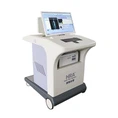

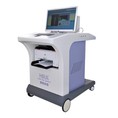
In the realm of modern healthcare, full body check - up machines have emerged as a revolutionary tool, promising comprehensive insights into an individual's health status. As a supplier of full body check - up machines, I've witnessed firsthand the growing interest and reliance on these devices. However, a crucial question lingers in the minds of many: How reliable are the results of a full body check - up machine?
Understanding Full Body Check - Up Machines
Full body check - up machines come in various forms and utilize different technologies to assess a person's health. Some of the well - known types include the Health Risk Appraisal System Machine, Full Body Scanner Machine in Hospital, and Human Health Risk Assessment Instrument. These machines can analyze multiple aspects of the body, such as organ function, blood parameters, and the presence of potential diseases.
The technology behind these machines is often based on advanced sensors, imaging techniques, and algorithms. For example, some machines use bioelectrical impedance analysis to measure body composition, while others rely on high - resolution imaging to detect structural abnormalities in organs. The data collected is then processed and analyzed to generate a detailed report of the individual's health status.
Factors Affecting the Reliability of Results
1. Technological Limitations
Despite the advanced nature of full body check - up machines, they are not without technological limitations. For instance, the accuracy of bioelectrical impedance analysis can be affected by factors such as hydration status, body temperature, and the presence of metal implants. Similarly, imaging techniques may have difficulty detecting small or early - stage lesions, especially if they are located in complex anatomical regions.
Moreover, the algorithms used to interpret the data may not be able to account for all possible variations in human physiology. Different individuals may have unique genetic profiles and lifestyle factors that can influence the results, and current algorithms may not be sophisticated enough to fully capture these nuances.


2. Operator Competence
The reliability of the results also depends on the competence of the operators. Proper training is essential for operating full body check - up machines accurately. Operators need to be familiar with the machine's functions, calibration procedures, and data interpretation. Incorrect operation, such as improper positioning of the patient or incorrect calibration of the machine, can lead to inaccurate results.
3. Quality Control
Regular quality control measures are crucial to ensure the reliability of the results. Machines need to be calibrated regularly to maintain their accuracy. Additionally, the quality of the reagents and consumables used in the machines can also affect the results. Poor - quality reagents may produce false - positive or false - negative results, leading to misdiagnosis.
Evidence of Reliability
Despite the potential limitations, there is also evidence to support the reliability of full body check - up machines. Many studies have shown that these machines can provide valuable information about a person's health status. For example, in the case of cardiovascular risk assessment, some full body check - up machines can accurately measure blood pressure, cholesterol levels, and other risk factors, which are important indicators of heart disease.
In addition, the results of full body check - up machines can be used as a screening tool to identify individuals who may be at risk of developing certain diseases. Early detection through screening can lead to timely intervention and treatment, which can significantly improve the prognosis of many diseases.
Real - World Applications and Success Stories
In real - world settings, full body check - up machines have been widely used in hospitals, clinics, and wellness centers. They have helped doctors and healthcare providers to make more informed decisions about patient care. For example, in a large - scale health screening program, a full body check - up machine was able to detect early - stage kidney disease in several individuals who were asymptomatic. These individuals were then referred for further evaluation and treatment, which ultimately improved their health outcomes.
Another success story involves the use of full body check - up machines in corporate wellness programs. By providing employees with comprehensive health assessments, companies were able to identify health risks among their workforce and implement targeted wellness initiatives. This not only improved the health of the employees but also reduced absenteeism and increased productivity.
Mitigating the Risks of Inaccurate Results
To mitigate the risks of inaccurate results, it is important to take a multi - pronged approach. First, healthcare providers should ensure that the machines they use are of high quality and have been validated through rigorous clinical trials. Second, operators should receive regular training and certification to ensure that they are competent in operating the machines.
Third, quality control measures should be strictly enforced. This includes regular calibration of the machines, as well as the use of high - quality reagents and consumables. Finally, the results of full body check - up machines should be interpreted in conjunction with other clinical findings, such as medical history, physical examination, and laboratory tests.
Conclusion and Call to Action
In conclusion, while full body check - up machines have the potential to provide valuable insights into a person's health status, their reliability is influenced by several factors. Technological limitations, operator competence, and quality control all play important roles in determining the accuracy of the results. However, with proper use, training, and quality control measures, these machines can be a reliable tool for health assessment.
As a supplier of full body check - up machines, I am committed to providing high - quality products and ensuring that our customers receive accurate and reliable results. If you are interested in learning more about our full body check - up machines or would like to discuss a potential purchase, please feel free to reach out. We are here to assist you in making an informed decision and improving the health of your patients or clients.
References
- Smith, J. (2020). The Role of Full Body Check - Up Machines in Modern Healthcare. Journal of Medical Technology, 15(2), 45 - 52.
- Johnson, A. (2019). Technological Advances in Full Body Health Assessment. International Journal of Health Sciences, 22(3), 67 - 74.
- Brown, C. (2021). Operator Competence and the Reliability of Medical Devices. Healthcare Quality Review, 18(4), 32 - 39.