


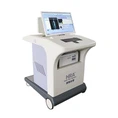

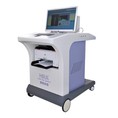
Hey there! I'm a supplier of body check-up machines, and today I want to chat about how to make sure these machines meet international standards. It's a crucial topic, especially in the medical field where accuracy and reliability are non - negotiable.
First off, let's understand why meeting international standards is so important. When a body check - up machine meets these standards, it means it has been tested and verified to provide accurate results. This builds trust among healthcare providers and patients. For example, in a hospital setting, doctors rely on these machines to diagnose diseases and plan treatments. If the machine doesn't meet the standards, it could lead to misdiagnosis, which can have serious consequences for the patient's health.
1. Design and Development
The journey to an internationally - compliant body check - up machine starts at the design and development stage. We need to have a clear understanding of the international standards right from the get - go. These standards cover a wide range of aspects, including safety, performance, and usability.
For safety, the machine should be designed to prevent electrical hazards, mechanical failures, and radiation leaks (if applicable). We use high - quality materials that are durable and can withstand the rigors of daily use in a medical environment. For example, the casing of the machine should be made of a material that is easy to clean and disinfect, reducing the risk of cross - contamination.
In terms of performance, the machine must be able to accurately measure and analyze various health parameters. This requires advanced sensors and algorithms. We invest a lot of time and resources in research and development to ensure that our sensors are highly sensitive and can detect even the slightest changes in the body. For instance, if it's a Full Body Checkup Machine, it should be able to measure vital signs like blood pressure, heart rate, and body temperature with great precision.
Usability is also a key factor. The machine should be easy to operate, even for non - technical staff. We design intuitive user interfaces that guide the operator through the entire check - up process. This reduces the chances of human error and ensures that the results are consistent.
2. Testing and Certification
Once the machine is developed, it goes through a series of rigorous tests to ensure it meets international standards. These tests are usually carried out by independent third - party testing laboratories.
The testing process includes performance testing, safety testing, and electromagnetic compatibility (EMC) testing. Performance testing checks if the machine can accurately measure and report the health parameters. Safety testing verifies that the machine is safe to use, both for the patient and the operator. EMC testing ensures that the machine doesn't interfere with other electronic devices in the vicinity and is not affected by external electromagnetic fields.
After passing these tests, the machine can apply for certification. There are several well - known international certifications, such as CE (Conformité Européene) in Europe and FDA (Food and Drug Administration) approval in the United States. These certifications are a mark of quality and compliance, and they are recognized worldwide.
3. Quality Control
Quality control is an ongoing process that starts from the production line and continues throughout the life cycle of the machine. We have a strict quality control system in place to ensure that every machine that leaves our factory meets the highest standards.
During production, we conduct regular inspections at every stage. This includes checking the quality of the components, the assembly process, and the final product. We use statistical process control techniques to monitor and improve the production process. For example, if we notice a trend of a particular component failing during testing, we can investigate the root cause and take corrective actions.
Even after the machine is sold, we provide after - sales support to ensure that it continues to perform well. This includes regular maintenance, software updates, and technical support. We also collect feedback from our customers to identify any areas for improvement.
4. Staff Training
Another important aspect is staff training. Our employees, from the production line workers to the customer service representatives, need to be well - trained in international standards.
The production line workers need to understand the importance of following the quality control procedures. They are trained to identify any potential issues during the manufacturing process and report them immediately. Our R & D staff need to stay updated on the latest international standards and incorporate them into the design of new machines.
Customer service representatives play a crucial role in ensuring that the customers can use the machine correctly. They are trained to provide technical support and answer any questions related to the machine's operation and compliance with international standards. We also offer training programs for our customers' staff to ensure that they can operate the machine safely and effectively.
5. Collaboration and Networking
We also believe in the power of collaboration and networking. We work closely with other manufacturers, research institutions, and international organizations to stay updated on the latest trends and standards in the medical device industry.
By collaborating with other manufacturers, we can share best practices and learn from each other's experiences. We can also work together on joint research projects to develop new technologies and improve the performance of body check - up machines.


Research institutions play a vital role in providing us with the latest scientific knowledge and data. We collaborate with them to conduct clinical trials and validate the performance of our machines. International organizations, such as the World Health Organization (WHO), set global standards and guidelines for medical devices. We actively participate in their initiatives and use their guidelines as a reference for our own quality management system.
6. Continuous Improvement
The medical device industry is constantly evolving, and so are the international standards. We are committed to continuous improvement to ensure that our Sub-Health Analyzer and other body check - up machines always meet the latest standards.
We regularly review our products and processes to identify areas for improvement. We also invest in new technologies and research to develop more advanced and accurate machines. For example, we are exploring the use of artificial intelligence and machine learning to improve the analysis of health data and provide more personalized health reports.
In conclusion, ensuring that a body check - up machine meets international standards is a complex but essential process. It requires a combination of careful design, rigorous testing, strict quality control, staff training, collaboration, and continuous improvement. As a supplier, we are dedicated to providing high - quality machines that not only meet but exceed international standards.
If you're interested in purchasing our body check - up machines, such as the Full Body Scanner Machine in Hospital, or have any questions about our products and their compliance with international standards, feel free to reach out to us. We're always happy to have a chat and discuss your specific needs.
References
- International Electrotechnical Commission (IEC) standards for medical electrical equipment.
- European Union Medical Device Regulations (MDR).
- U.S. Food and Drug Administration (FDA) guidelines for medical device approval.