


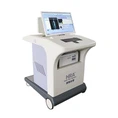

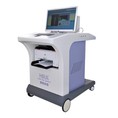
Hey there! As a supplier of health risk appraisal systems, I've seen firsthand the amazing benefits these systems bring to the table. In this blog, I'm gonna break down why using a health risk appraisal system is a game - changer for individuals, healthcare providers, and even employers.
Personal Health Insights
One of the most significant advantages of using a health risk appraisal system is the personalized health insights it offers. You see, everyone's body is unique, and a one - size - fits - all approach to health just doesn't cut it. With our Health Risk Assessment Device, individuals can get a detailed analysis of their current health status.
The system takes into account various factors like lifestyle habits, family medical history, and current symptoms. It then uses advanced algorithms to calculate the risk of developing certain diseases such as diabetes, heart disease, and cancer. For example, if someone has a family history of diabetes and leads a sedentary lifestyle with a poor diet, the system can flag their high risk and provide tailored advice on how to reduce it. This could include suggestions for diet changes, exercise routines, and regular medical check - ups.
By having this personalized information, individuals are empowered to take control of their health. They can make informed decisions about their lifestyle and preventive measures, which can ultimately lead to a longer and healthier life.
Early Detection of Health Issues
Early detection is key when it comes to treating many diseases effectively. A health risk appraisal system can act as an early warning system. Our Full Body Checkup Machine is designed to detect subtle changes in the body that might indicate the onset of a health problem.
It can analyze a wide range of physiological parameters, including blood pressure, cholesterol levels, and organ function. These comprehensive checks can identify issues at a stage when they are still treatable or even reversible. For instance, high blood pressure is often a silent killer, with no obvious symptoms in the early stages. But our system can detect elevated blood pressure readings and alert the individual and their healthcare provider.
This early detection not only improves the chances of successful treatment but also reduces the overall cost of healthcare. Treating a disease in its early stages is usually less expensive and less invasive than dealing with advanced - stage conditions.
Cost - Effective Healthcare
Healthcare costs are a major concern for individuals, families, and employers. A health risk appraisal system can help reduce these costs in several ways. For employers, it can lead to lower healthcare expenses for their employees. By promoting preventive care through the use of our Body Check Up Machine, employers can reduce the incidence of serious illnesses among their workforce.
When employees are healthier, they take fewer sick days, which means increased productivity. Also, preventive care is generally much cheaper than treating chronic diseases. For example, providing employees with regular health risk appraisals can help identify those at risk of obesity - related diseases. By offering wellness programs and lifestyle advice based on the appraisal results, employers can help employees manage their weight and reduce the likelihood of developing costly conditions like diabetes and heart disease.
For individuals, using a health risk appraisal system can save them money in the long run. Instead of waiting for a major health problem to occur and then incurring high medical bills, they can take preventive steps early on. This might involve making small changes to their diet or exercise routine, which are far less expensive than long - term medical treatments.
Improved Healthcare Provider - Patient Communication
A health risk appraisal system can also enhance the communication between healthcare providers and patients. The detailed reports generated by the system provide a common ground for discussion. When a patient comes in for a check - up, the healthcare provider can refer to the appraisal report to understand the patient's health risks and current status better.
This leads to more focused and productive conversations. Instead of spending time trying to gather basic information, the provider can directly address the patient's specific health concerns. For example, if the report shows a high risk of heart disease, the provider can discuss appropriate preventive measures such as medication, diet, and exercise in detail.
Patients also feel more involved in their healthcare process. They have a better understanding of their own health risks and can ask more informed questions. This improved communication can lead to better treatment adherence and overall health outcomes.
Population Health Management
For healthcare organizations and public health agencies, a health risk appraisal system is a valuable tool for population health management. It allows them to analyze the health risks of a large group of people. By aggregating the data from multiple appraisals, they can identify trends and patterns in the population's health.
This information can be used to develop targeted public health interventions. For example, if the data shows a high prevalence of obesity in a certain community, the agency can launch a community - wide weight management program. It can also allocate resources more effectively, focusing on areas with the highest health risks.
How to Get Started
If you're interested in using our health risk appraisal system, whether you're an individual looking to take charge of your health, a healthcare provider aiming to improve patient care, or an employer wanting to promote a healthy workforce, we're here to help. Our systems are easy to use and provide accurate and reliable results.


Contact us today to start the conversation about how our health risk appraisal system can benefit you. We can provide more detailed information, schedule a demonstration, and answer any questions you might have. Let's work together to make healthcare more effective, efficient, and personalized.
References
- World Health Organization. (2023). Global Strategy on Diet, Physical Activity and Health.
- Centers for Disease Control and Prevention. (2023). Preventive Health Services.
- American Heart Association. (2023). Heart Disease Prevention Guidelines.