


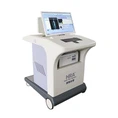

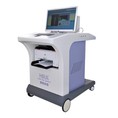
Implementing a health risk appraisal system is a complex endeavor that involves a multitude of challenges. As a supplier of such systems, I have witnessed firsthand the difficulties that organizations face when trying to integrate these tools into their healthcare practices. In this blog post, I will discuss some of the key challenges in implementing a health risk appraisal system and offer some insights on how to overcome them.
Data Quality and Integration
One of the primary challenges in implementing a health risk appraisal system is ensuring the quality and integration of data. Health risk appraisal systems rely on a vast amount of data from various sources, including electronic health records (EHRs), wearable devices, and patient surveys. However, this data is often fragmented, inconsistent, and stored in different formats, making it difficult to aggregate and analyze effectively.
To address this challenge, organizations need to invest in data governance and management processes to ensure the accuracy, completeness, and consistency of their data. This may involve implementing data standardization protocols, data cleansing techniques, and data integration tools. Additionally, organizations need to establish partnerships with data providers and technology vendors to ensure seamless data exchange and interoperability between different systems.
Another important aspect of data quality is patient privacy and security. Health risk appraisal systems deal with sensitive patient information, and organizations need to ensure that this data is protected from unauthorized access, use, and disclosure. This may involve implementing robust security measures, such as encryption, access controls, and audit trails, and complying with relevant data protection regulations, such as the Health Insurance Portability and Accountability Act (HIPAA) in the United States.
User Adoption and Training
Another significant challenge in implementing a health risk appraisal system is user adoption and training. Healthcare providers and staff may be resistant to change and may be hesitant to adopt new technologies, especially if they perceive them as complex or time-consuming. Additionally, healthcare providers may lack the necessary skills and knowledge to use the system effectively, which can lead to errors and inefficiencies.
To address this challenge, organizations need to invest in user training and education programs to ensure that healthcare providers and staff are familiar with the system and its features. This may involve providing hands-on training, online tutorials, and user manuals, as well as ongoing support and feedback. Additionally, organizations need to involve healthcare providers and staff in the implementation process from the beginning, soliciting their feedback and input to ensure that the system meets their needs and preferences.
Another important aspect of user adoption is system usability and design. Health risk appraisal systems should be intuitive, easy to use, and integrated with existing workflows and systems. This may involve conducting user testing and usability studies to identify and address any usability issues and making design improvements based on user feedback.
Clinical Validation and Evidence-Based Practice
A critical challenge in implementing a health risk appraisal system is ensuring its clinical validation and alignment with evidence-based practice. Health risk appraisal systems use algorithms and models to predict the likelihood of developing certain health conditions based on a patient's risk factors. However, these algorithms and models need to be validated using rigorous scientific methods to ensure their accuracy and reliability.
To address this challenge, organizations need to conduct clinical validation studies to evaluate the performance of the health risk appraisal system in real-world settings. This may involve comparing the system's predictions with actual outcomes and assessing its sensitivity, specificity, and predictive value. Additionally, organizations need to ensure that the system's algorithms and models are based on the latest scientific evidence and guidelines and are regularly updated to reflect new research findings.
Another important aspect of clinical validation is the involvement of healthcare providers and researchers in the development and evaluation of the health risk appraisal system. Healthcare providers and researchers can provide valuable insights and expertise on the clinical relevance and applicability of the system and can help ensure that it is aligned with best practices in healthcare.
Cost and Return on Investment
Implementing a health risk appraisal system can be costly, and organizations need to carefully consider the financial implications of such an investment. The cost of a health risk appraisal system may include the purchase price of the system, implementation and integration costs, training and support costs, and ongoing maintenance and upgrade costs. Additionally, organizations need to consider the potential return on investment (ROI) of the system, including the potential cost savings and improvements in patient outcomes.
To address this challenge, organizations need to conduct a cost-benefit analysis to evaluate the financial feasibility of implementing a health risk appraisal system. This may involve estimating the costs and benefits of the system over a specific period of time and comparing them to the costs and benefits of alternative approaches. Additionally, organizations need to consider the potential ROI of the system in terms of improved patient outcomes, reduced healthcare costs, and increased efficiency and productivity.
Another important aspect of cost and ROI is the availability of funding and reimbursement. Organizations may need to seek funding from external sources, such as grants or loans, to support the implementation of a health risk appraisal system. Additionally, organizations need to ensure that the system is eligible for reimbursement from payers, such as insurance companies or government programs, to offset the cost of the system.
Regulatory and Legal Compliance
Implementing a health risk appraisal system also involves complying with various regulatory and legal requirements. Healthcare is a highly regulated industry, and organizations need to ensure that the health risk appraisal system complies with all relevant laws and regulations, such as HIPAA, the General Data Protection Regulation (GDPR) in the European Union, and other state and federal laws.
To address this challenge, organizations need to conduct a thorough review of the regulatory and legal requirements that apply to the health risk appraisal system and ensure that the system is designed and implemented in compliance with these requirements. This may involve working with legal counsel and regulatory experts to develop and implement appropriate policies and procedures and to ensure that the system is properly documented and audited.
Another important aspect of regulatory and legal compliance is the management of data privacy and security. As mentioned earlier, health risk appraisal systems deal with sensitive patient information, and organizations need to ensure that this data is protected from unauthorized access, use, and disclosure. This may involve implementing robust security measures, such as encryption, access controls, and audit trails, and complying with relevant data protection regulations.
Conclusion
Implementing a health risk appraisal system is a complex and challenging endeavor that requires careful planning, coordination, and investment. As a supplier of health risk appraisal systems, I understand the challenges that organizations face in implementing these tools and am committed to helping them overcome these challenges. By addressing the key challenges of data quality and integration, user adoption and training, clinical validation and evidence-based practice, cost and return on investment, and regulatory and legal compliance, organizations can successfully implement a health risk appraisal system and realize its potential benefits in improving patient outcomes and reducing healthcare costs.
If you are interested in learning more about our Health Risk Appraisal System Machine or Health Risk Assessment Device or Health Checkup Machine, please contact us to discuss your specific needs and requirements. We look forward to the opportunity to work with you to implement a customized health risk appraisal solution that meets your organization's goals and objectives.


References
- American Medical Informatics Association. (2019). Clinical decision support systems: Challenges and opportunities. Retrieved from [URL]
- Institute of Medicine. (2001). Crossing the quality chasm: A new health system for the 21st century. Washington, DC: National Academies Press.
- World Health Organization. (2020). Global strategy on digital health 2020-2025. Geneva: World Health Organization.