


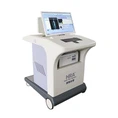

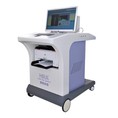
In today's fast - paced world, sleep disorders have become a prevalent issue affecting millions of people globally. As a supplier of apparatus for improving sleep, I have witnessed firsthand the growing demand for effective solutions. However, it is crucial to understand that these devices may come with compatibility issues that can impact their performance and user experience.
Compatibility with Different Sleep Disorders
There are various types of sleep disorders, including insomnia, sleep apnea, restless leg syndrome, and narcolepsy. Each disorder requires a specific approach to treatment, and not all sleep - improving apparatus are suitable for every condition.


For instance, continuous positive airway pressure (CPAP) machines are commonly used to treat sleep apnea. These devices work by delivering a constant stream of air pressure to keep the airway open during sleep. However, they may not be compatible with individuals who suffer from mild cases of insomnia or other non - airway - related sleep disorders. On the other hand, devices that use light therapy or sound therapy may be more effective for those with insomnia, but they are not designed to address the underlying issues of sleep apnea.
The Devices for The Treatment Of Sleep Disorders page on our website provides detailed information about different devices and their suitability for various sleep disorders. It is essential for consumers to carefully assess their sleep problems and choose the appropriate apparatus accordingly.
Compatibility with User Preferences
User preferences play a significant role in the compatibility of sleep - improving apparatus. Some people may prefer wearable devices, such as smartwatches or sleep trackers, which can monitor sleep patterns and provide feedback. These devices are convenient and non - intrusive, allowing users to go about their daily activities without any disruption. However, others may find them uncomfortable to wear during sleep, especially if they are not used to having something on their wrists.
In contrast, bedside devices like white noise machines or aromatherapy diffusers are stationary and do not require the user to wear anything. They can create a relaxing environment conducive to sleep. But some users may find the constant noise or smell from these devices overwhelming or distracting.
As a supplier, we understand that different users have different preferences. Our Apparatus for Improving Sleep collection offers a wide range of options to cater to diverse needs. Whether you prefer a high - tech wearable or a traditional bedside device, we have something for you.
Compatibility with Existing Medical Conditions
Individuals with existing medical conditions need to be particularly cautious when choosing sleep - improving apparatus. For example, people with respiratory problems may need to avoid certain types of air - purifying devices that can exacerbate their condition. Similarly, those with skin sensitivities may react negatively to the materials used in some wearable devices.
Moreover, some sleep - improving apparatus may interact with medications. For instance, devices that use electrical stimulation may interfere with the effects of certain medications or medical implants. It is always advisable for users to consult their healthcare providers before using any new sleep - improving device, especially if they have pre - existing medical conditions.
Compatibility with Home Environments
The home environment can also affect the compatibility of sleep - improving apparatus. Devices that rely on electricity may not be suitable for areas with unstable power supplies. Additionally, the size and layout of a bedroom can impact the effectiveness of some devices. For example, a large - scale air - circulation device may not be necessary or practical in a small bedroom.
The noise level of the device is another important factor. Some devices, such as fans or air - conditioners, can generate a significant amount of noise, which may be counterproductive for sleep. It is essential to choose a device that is quiet enough not to disturb the user's sleep.
Compatibility with Technology and Software
In the era of smart technology, many sleep - improving apparatus are equipped with advanced features and connect to smartphones or other devices via Bluetooth or Wi - Fi. However, these devices may face compatibility issues with different operating systems and software versions.
For example, a sleep - tracking app may not work correctly on an older version of a smartphone's operating system. This can lead to inaccurate data collection and a poor user experience. As a supplier, we strive to ensure that our devices are compatible with the latest technology and software updates. We also provide regular software updates to improve the functionality and compatibility of our products.
Addressing Compatibility Issues
To address compatibility issues, it is essential to provide clear and detailed product information. Our product descriptions on the Apparatus for Improving Sleep page include information about the device's compatibility with different sleep disorders, user preferences, medical conditions, home environments, and technology.
We also offer customer support services to assist users in choosing the right device and troubleshooting any compatibility issues. Our team of experts can provide personalized advice based on the user's specific needs and circumstances.
Conclusion
As a supplier of apparatus for improving sleep, we are committed to providing high - quality products that are compatible with a wide range of users and situations. However, it is important for consumers to be aware of the potential compatibility issues and make informed decisions when choosing a sleep - improving device.
If you are interested in improving your sleep and are considering purchasing one of our products, we encourage you to explore our Apparatus for Improving Sleep collection. Our team is ready to assist you in finding the perfect device for your needs. Feel free to reach out to us for more information or to discuss your requirements. We look forward to helping you achieve a better night's sleep.
References
- American Academy of Sleep Medicine. (2023). International Classification of Sleep Disorders, 3rd Edition.
- National Sleep Foundation. (2023). Sleep Disorders Fact Sheet.
- World Health Organization. (2023). Global Burden of Sleep - Related Disorders.