



In the dynamic landscape of healthcare, disease diagnosis equipment plays a pivotal role in early detection, accurate treatment, and overall patient well - being. As a supplier of disease diagnosis equipment, I understand the importance of cost - effectiveness analysis in the decision - making process for healthcare providers. This blog will delve into the various cost - effectiveness analysis methods for disease diagnosis equipment, which can help healthcare institutions make informed choices and optimize their resources.
Cost - Benefit Analysis (CBA)
Cost - Benefit Analysis is a fundamental method for evaluating the economic viability of disease diagnosis equipment. It involves comparing the total costs of acquiring, operating, and maintaining the equipment with the total benefits it generates. The costs typically include the purchase price, installation fees, training costs for medical staff, maintenance and repair expenses, and the cost of consumables.
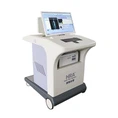
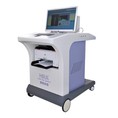
On the benefit side, the equipment can contribute to earlier disease detection, which may lead to more effective treatment and better patient outcomes. For example, a state - of - the - art Full Body Health Analyzer Machine can provide comprehensive health information in a short time, enabling doctors to identify potential health risks at an early stage. This can reduce the long - term healthcare costs associated with treating advanced diseases, such as lower hospitalization rates and fewer expensive surgical procedures.
The net benefit is calculated by subtracting the total costs from the total benefits. If the net benefit is positive, the equipment is considered cost - effective. However, quantifying the benefits can be challenging, as some benefits, like improved patient quality of life, are intangible. In such cases, techniques like willingness - to - pay surveys can be used to estimate the monetary value of these intangible benefits.
Cost - Utility Analysis (CUA)
Cost - Utility Analysis focuses on the quality of life improvements associated with the use of disease diagnosis equipment. It measures the benefits in terms of quality - adjusted life years (QALYs). A QALY is a unit that combines the quantity and quality of life. For instance, if a patient's life expectancy is extended by a certain number of years, but their quality of life during those years is reduced due to illness, the QALY takes this into account.
When evaluating disease diagnosis equipment using CUA, the cost per QALY gained is calculated. A lower cost per QALY indicates greater cost - effectiveness. For example, a Human Health Risk Assessment Instrument can help in early identification of health risks and allow for preventive measures. By preventing the onset of diseases, it can potentially increase the QALYs of patients. Healthcare providers can then compare different pieces of equipment based on their cost per QALY gained to determine which one offers the best value for money in terms of improving patient health and quality of life.
Cost - Effectiveness Ratio (CER)
The Cost - Effectiveness Ratio is a simple yet widely used method. It is calculated by dividing the cost of the disease diagnosis equipment by a specific measure of its effectiveness. The measure of effectiveness can vary depending on the type of equipment. For example, for a diagnostic test, the effectiveness can be measured by its sensitivity (the ability to correctly identify patients with the disease) and specificity (the ability to correctly identify patients without the disease).
Let's say we have two types of diagnostic equipment. Equipment A costs $100,000 and has a sensitivity of 90% and specificity of 85%, while Equipment B costs $120,000 and has a sensitivity of 95% and specificity of 90%. By calculating the cost - effectiveness ratio for each equipment (e.g., cost per percentage point of sensitivity or specificity), healthcare providers can determine which equipment offers more value for the money.
Incremental Cost - Effectiveness Ratio (ICER)
The Incremental Cost - Effectiveness Ratio is used when comparing two or more alternative disease diagnosis equipment. It measures the additional cost of one option compared to another, relative to the additional effectiveness gained. For example, if Equipment X costs $50,000 and has an effectiveness of 80%, and Equipment Y costs $70,000 and has an effectiveness of 90%, the incremental cost is $20,000 ($70,000 - $50,000), and the incremental effectiveness is 10% (90% - 80%).
The ICER is then calculated as the incremental cost divided by the incremental effectiveness. This ratio helps healthcare providers decide whether the additional cost of a more effective equipment is justified. If the ICER is below a certain threshold (which is often determined by the healthcare system's budget and priorities), the more expensive but more effective equipment may be considered a worthwhile investment.


Factors Affecting Cost - Effectiveness
Several factors can influence the cost - effectiveness of disease diagnosis equipment. Technological advancements can lead to more accurate and efficient equipment, but they may also come with a higher price tag. For example, the latest Health Risk Appraisal System may incorporate advanced algorithms and sensors, which improve its diagnostic accuracy but increase the cost.
The volume of use is another important factor. High - volume healthcare facilities may be able to justify the purchase of more expensive equipment, as the cost can be spread over a larger number of patients. In contrast, small - scale clinics may need to opt for more affordable, less - advanced equipment.
Maintenance and operating costs also play a significant role. Equipment that requires frequent and expensive maintenance may not be cost - effective in the long run, even if its initial purchase price is low. Additionally, the availability of trained staff to operate the equipment is crucial. If specialized training is required, it adds to the overall cost.
Conclusion
In conclusion, understanding the cost - effectiveness analysis methods for disease diagnosis equipment is essential for healthcare providers and institutions. By using methods such as Cost - Benefit Analysis, Cost - Utility Analysis, Cost - Effectiveness Ratio, and Incremental Cost - Effectiveness Ratio, they can make informed decisions about which equipment to invest in.
As a supplier of disease diagnosis equipment, I am committed to providing high - quality products that offer the best balance between cost and effectiveness. Our range of Full Body Health Analyzer Machine, Human Health Risk Assessment Instrument, and Health Risk Appraisal System are designed to meet the diverse needs of healthcare providers.
If you are interested in learning more about our disease diagnosis equipment or wish to discuss a potential purchase, I encourage you to reach out. We are ready to assist you in making the right choice for your healthcare facility and ensuring that you get the most value for your investment.
References
Drummond, M. F., Sculpher, M. J., Torrance, G. W., O'Brien, B. J., & Stoddart, G. L. (2015). Methods for the economic evaluation of health care programmes. Oxford University Press.
Gold, M. R., Siegel, J. E., Russell, L. B., & Weinstein, M. C. (1996). Cost - effectiveness in health and medicine. Oxford University Press.