



Regulatory Requirements for Full Body Check - up Machines
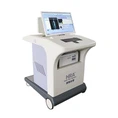
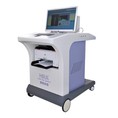
As a supplier of full body check - up machines, I've witnessed firsthand the importance of regulatory compliance in this industry. Full body check - up machines, such as the Full Body Health Analyzer Machine, Human Health Risk Assessment Instrument, and Physical Examination Instruments, play a crucial role in modern healthcare. They are used to diagnose, monitor, and prevent various health conditions, making it essential that they meet strict regulatory standards.
International Regulatory Frameworks
On an international level, there are several organizations and standards that govern the production and use of medical devices, including full body check - up machines. The International Organization for Standardization (ISO) has developed a series of standards related to medical devices. ISO 13485, for example, is a quality management system standard specifically for medical devices. It requires manufacturers to establish, implement, maintain, and continuously improve a quality management system that is appropriate to the type and intended use of the medical device.
Compliance with ISO 13485 is not only a matter of quality control but also a way to demonstrate to regulatory authorities and customers that the full body check - up machines are manufactured in a consistent and reliable manner. This standard covers all aspects of the product lifecycle, from design and development to production, installation, and servicing.
Another important international standard is IEC 60601. This series of standards focuses on the safety and essential performance of medical electrical equipment. Full body check - up machines often fall under the category of medical electrical equipment, and compliance with IEC 60601 is crucial to ensure the safety of patients and operators. It addresses issues such as electrical safety, mechanical safety, and electromagnetic compatibility.
Regulatory Requirements in the United States
In the United States, the Food and Drug Administration (FDA) is the primary regulatory body for medical devices, including full body check - up machines. The FDA classifies medical devices into three classes based on the level of risk associated with their use: Class I (low risk), Class II (moderate risk), and Class III (high risk).
Most full body check - up machines are likely to be classified as Class II or Class III devices. Class II devices typically require pre - market notification, also known as a 510(k) submission. This involves demonstrating that the new device is substantially equivalent to a legally marketed device (predicate device) in terms of its intended use, technological characteristics, and safety and effectiveness.
For Class III devices, pre - market approval (PMA) is required. This is a more rigorous process that involves extensive clinical trials to demonstrate the safety and effectiveness of the device. The FDA reviews the data from these trials to determine whether the device can be legally marketed in the United States.
In addition to pre - market requirements, the FDA also has post - market surveillance requirements. Manufacturers are required to report any adverse events related to their devices, such as malfunctions or injuries to patients. They are also subject to periodic inspections to ensure compliance with good manufacturing practices (GMP).
Regulatory Requirements in the European Union
In the European Union (EU), medical devices are regulated under the Medical Device Regulation (MDR) and the In Vitro Diagnostic Medical Devices Regulation (IVDR). These regulations aim to ensure a high level of protection for patients and users of medical devices.
To place a full body check - up machine on the EU market, manufacturers must obtain a CE mark. This mark indicates that the device complies with all relevant EU directives and regulations. The process of obtaining a CE mark involves a combination of self - assessment and third - party certification, depending on the classification of the device.
The EU also has strict requirements for the safety and performance of medical devices. Manufacturers must conduct a risk analysis to identify and mitigate potential risks associated with the use of their devices. They are also required to maintain a technical documentation file that includes information on the design, manufacturing, and testing of the device.
Importance of Regulatory Compliance for Suppliers
As a supplier of full body check - up machines, regulatory compliance is not just a legal obligation but also a business imperative. Compliance with regulatory requirements helps to build trust with customers, including hospitals, clinics, and other healthcare providers. It demonstrates that the machines are safe, effective, and reliable.
Moreover, regulatory compliance can open up new markets. Many countries around the world recognize and accept the regulatory standards of major economies such as the United States and the European Union. By meeting these standards, suppliers can expand their customer base and increase their global competitiveness.
Challenges in Meeting Regulatory Requirements
Meeting regulatory requirements for full body check - up machines is not without its challenges. One of the main challenges is the constantly evolving nature of regulations. Regulatory authorities are continuously updating and revising their requirements to keep up with technological advancements and new safety concerns.
For example, as full body check - up machines become more sophisticated and incorporate new technologies such as artificial intelligence and big data analytics, regulatory authorities may need to develop new guidelines to address these emerging technologies. Suppliers need to stay informed about these changes and be prepared to adapt their products and manufacturing processes accordingly.
Another challenge is the cost associated with regulatory compliance. Obtaining regulatory approvals can be a time - consuming and expensive process. It may involve conducting extensive testing, hiring regulatory consultants, and maintaining a dedicated regulatory affairs team. These costs can be a significant burden for small and medium - sized suppliers.
Strategies for Meeting Regulatory Requirements
To overcome these challenges, suppliers of full body check - up machines can adopt several strategies. First, they should establish a strong regulatory affairs function within their organization. This team should be responsible for staying up - to - date with regulatory changes, coordinating the regulatory submission process, and ensuring ongoing compliance.
Second, suppliers can invest in research and development to design full body check - up machines that are inherently compliant with regulatory requirements. By considering regulatory requirements from the early stages of product design, it is possible to reduce the time and cost of obtaining regulatory approvals.
Third, suppliers can collaborate with regulatory authorities and industry associations. Participating in industry forums and working groups can provide valuable insights into upcoming regulatory changes and best practices for compliance. It also allows suppliers to have a voice in the regulatory process and influence the development of new regulations.
Conclusion
In conclusion, regulatory requirements for full body check - up machines are complex and vary from country to country. As a supplier, it is essential to understand and comply with these requirements to ensure the safety and effectiveness of the machines and to gain access to global markets.
By adhering to international standards such as ISO 13485 and IEC 60601, and meeting the specific regulatory requirements of major markets like the United States and the European Union, suppliers can build a reputation for quality and reliability. Although there are challenges in meeting these requirements, with the right strategies and a commitment to compliance, suppliers can overcome these challenges and succeed in the competitive market of full body check - up machines.
If you are interested in purchasing high - quality full body check - up machines that comply with all relevant regulatory requirements, please feel free to contact us for further discussion and procurement negotiation.


References
- International Organization for Standardization (ISO). ISO 13485:2016. Medical devices - Quality management systems - Requirements for regulatory purposes.
- International Electrotechnical Commission (IEC). IEC 60601 series. Medical electrical equipment - Part 1: General requirements for basic safety and essential performance.
- U.S. Food and Drug Administration (FDA). Medical Device Classification Manual.
- European Union. Medical Device Regulation (MDR) (EU) 2017/745 and In Vitro Diagnostic Medical Devices Regulation (IVDR) (EU) 2017/746.