


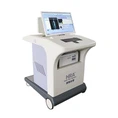

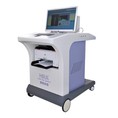
Yo, folks! As a supplier of full body checkup machines, I've seen a whole lot of different models out there, and let me tell you, they're not all the same. In this blog post, I'm gonna break down the differences between these machines so you can make an informed decision when it comes to purchasing one for your clinic, hospital, or even for personal use.
1. Basic Functionality Differences
First off, let's talk about the most fundamental aspect: what each machine can actually do. Some full body checkup machines are designed to give you a broad overview of your health, while others are more specialized.
For instance, there are general Health Checkup Machine that can measure a wide range of vital signs like blood pressure, heart rate, body temperature, and blood oxygen levels. These are great for a quick and easy health assessment. They're often used in primary care settings where doctors just need a basic idea of a patient's health status.
On the other hand, Body Check Up Machine can be more in - depth. Some of these machines can perform electrocardiograms (ECGs), which are used to detect heart problems. They can also do blood tests right on the spot to check for things like cholesterol, glucose, and various blood cell counts. These machines are usually found in more advanced medical facilities or diagnostic centers.
And then there are the Sub - Health Analyzer. These are a bit different. They focus on detecting sub - health conditions, which are states where a person may not have any obvious diseases but is not in perfect health either. They can analyze factors like the body's stress levels, immune function, and metabolic rate to give an idea of whether a person is at risk of developing certain health issues in the future.
2. Technology Used
The technology behind these full body checkup machines varies widely, and that has a big impact on their performance and features.


Some machines use traditional medical technologies. For example, machines that measure blood pressure use the same basic principle as the old - fashioned sphygmomanometers, but they're automated. They inflate a cuff around your arm and measure the pressure changes as the blood flows through your arteries.
Other machines use more advanced technologies like bioelectrical impedance analysis (BIA). BIA machines send a small, painless electrical current through your body and measure the resistance. Based on this resistance, the machine can estimate things like your body fat percentage, muscle mass, and water content. This technology is used in some of the more high - end full body checkup machines.
There are also machines that use imaging technologies such as ultrasound. Ultrasound machines can create images of the internal organs, allowing doctors to check for things like tumors, cysts, or other structural abnormalities. These machines are very important in fields like obstetrics and gynecology, as well as in abdominal and cardiovascular examinations.
3. Accuracy and Precision
Accuracy and precision are crucial when it comes to full body checkup machines. After all, you want to rely on the results to make informed decisions about your health.
In general, more expensive and advanced machines tend to be more accurate and precise. Machines that have been rigorously tested and approved by regulatory bodies like the FDA (Food and Drug Administration) in the United States or the CE (Conformité Européene) in Europe are usually a safer bet.
However, even within the same category of machines, there can be differences. For example, two different blood pressure monitors may give slightly different readings. This is why it's important to calibrate the machines regularly and follow the instructions carefully when using them.
Some machines also provide a margin of error with their results. This is a measure of how much the actual value could differ from the value shown on the machine. A lower margin of error means a more precise machine.
4. Ease of Use
Another factor to consider is how easy the machine is to use. If you're a healthcare provider, you don't want to spend hours training your staff on how to operate a complicated machine. And if it's for personal use, you don't want to struggle with a bunch of complex settings.
Many modern full body checkup machines are designed to be user - friendly. They have large, easy - to - read displays, simple menus, and intuitive controls. Some machines even have voice prompts to guide you through the process.
However, machines with more advanced features may be a bit more difficult to use. For example, an MRI (Magnetic Resonance Imaging) machine is incredibly powerful but requires a highly trained operator. In comparison, a simple blood glucose meter that you can use at home is very straightforward.
5. Cost
Cost is, of course, a major consideration for most people. Full body checkup machines can range from relatively inexpensive home - use devices to multi - million - dollar pieces of equipment used in large hospitals.
Home - use machines, like basic blood pressure monitors or blood glucose meters, can cost anywhere from a few dollars to a couple of hundred dollars. These are great for regular self - monitoring but may not offer as many features as professional - grade machines.
Office - use or clinic - use machines, such as the ones that can do multiple tests at once, can cost a few thousand dollars. These are more suitable for small medical practices that need to perform a variety of basic health checks.
Large hospital - grade machines, like CT (Computed Tomography) scanners or PET (Positron Emission Tomography) scanners, can cost millions of dollars. These machines are very complex and offer highly detailed imaging and diagnostic capabilities.
6. Maintenance and Support
Finally, you need to think about the maintenance and support required for the machine. All machines need regular maintenance to ensure they're working properly.
Some machines are very low - maintenance. For example, a simple thermometer may just need to be cleaned occasionally and have its batteries replaced. Other machines, like high - tech imaging machines, require regular servicing by trained technicians.
When you're buying a full body checkup machine, it's important to consider the availability of technical support. You want to know that if something goes wrong, you can get help quickly. Many suppliers offer warranties and after - sales support, so make sure you ask about these when you're making a purchase.
So, there you have it, folks! These are some of the main differences between different full body checkup machines. If you're in the market for a full body checkup machine and want to learn more about our products, feel free to reach out. We can help you find the right machine for your needs and budget. Whether you're a small clinic looking for a cost - effective solution or a large hospital in need of state - of - the - art equipment, we've got you covered. Let's start a conversation about purchasing and see how we can work together!
References
Medical Device Technology Handbook
Journal of Medical Equipment Science
Textbook of Diagnostic Imaging