


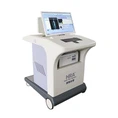

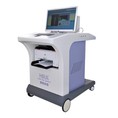
As a supplier of full body checkup machines, I've witnessed firsthand the growing demand for comprehensive health assessments. These machines are not just pieces of equipment; they are gateways to understanding our bodies on a deeper level. In this blog, I'll delve into the types of data that a full body checkup machine can collect, highlighting their significance in preventive healthcare.
Physiological Data
One of the primary functions of a full body checkup machine is to gather physiological data. This includes vital signs such as heart rate, blood pressure, respiratory rate, and body temperature. Heart rate, measured in beats per minute, provides insights into the cardiovascular system's efficiency. A resting heart rate between 60 - 100 beats per minute is considered normal for adults, but variations can indicate underlying health issues. For instance, a consistently high heart rate might suggest stress, anemia, or thyroid problems.
Blood pressure, measured as systolic over diastolic pressure, reflects the force exerted by blood against the artery walls. Normal blood pressure is typically around 120/80 mmHg. Elevated blood pressure, or hypertension, is a major risk factor for heart disease, stroke, and kidney problems. Regular monitoring of blood pressure can help detect early signs of hypertension and allow for timely intervention.
Respiratory rate, the number of breaths taken per minute, is another crucial vital sign. A normal respiratory rate for adults ranges from 12 - 20 breaths per minute. Abnormal respiratory rates can be a sign of respiratory disorders, metabolic imbalances, or neurological problems.
Body temperature is a measure of the body's internal heat. A normal body temperature is around 37°C (98.6°F). Fever, an elevated body temperature, is often a sign of infection or inflammation. Monitoring body temperature can help in the early detection of illnesses and guide appropriate treatment.
Biochemical Data
Full body checkup machines can also collect biochemical data from blood and urine samples. Blood tests can measure a wide range of substances, including glucose, cholesterol, triglycerides, liver enzymes, kidney function markers, and blood cell counts.


Glucose levels in the blood are an indicator of the body's ability to regulate blood sugar. Elevated blood glucose levels can be a sign of diabetes, a chronic condition that affects millions of people worldwide. Regular monitoring of blood glucose levels is essential for managing diabetes and preventing complications.
Cholesterol and triglycerides are fats in the blood. High levels of cholesterol, especially low - density lipoprotein (LDL) cholesterol, are associated with an increased risk of heart disease. Triglyceride levels also play a role in cardiovascular health. By measuring these lipid levels, doctors can assess a patient's risk of developing heart disease and recommend appropriate lifestyle changes or medications.
Liver enzymes, such as alanine aminotransferase (ALT) and aspartate aminotransferase (AST), are markers of liver function. Elevated levels of these enzymes can indicate liver damage or disease, such as hepatitis, cirrhosis, or fatty liver disease.
Kidney function markers, such as creatinine and blood urea nitrogen (BUN), help in evaluating the kidneys' ability to filter waste products from the blood. Abnormal levels of these markers can be a sign of kidney disease, which may require further investigation and treatment.
Blood cell counts, including red blood cells, white blood cells, and platelets, provide information about the body's immune system, oxygen - carrying capacity, and blood - clotting ability. Abnormal blood cell counts can indicate a variety of conditions, from anemia to leukemia.
Urine tests can also provide valuable biochemical data. They can detect the presence of glucose, protein, blood, and other substances in the urine, which can be signs of diabetes, kidney disease, urinary tract infections, or other health problems.
Imaging Data
Many full body checkup machines are equipped with imaging technologies that can provide detailed pictures of the internal organs. X - rays are commonly used to visualize bones and detect fractures, tumors, or other skeletal abnormalities. Chest X - rays can also help in diagnosing lung diseases, such as pneumonia, tuberculosis, or lung cancer.
Ultrasound imaging uses high - frequency sound waves to create images of soft tissues and organs, such as the liver, gallbladder, pancreas, kidneys, and reproductive organs. It is a non - invasive and painless procedure that can detect cysts, tumors, and other structural abnormalities in these organs.
Computed tomography (CT) scans provide cross - sectional images of the body, allowing for a more detailed view of internal organs and tissues. CT scans are particularly useful in detecting tumors, blood clots, and other abnormalities in the brain, chest, abdomen, and pelvis.
Magnetic resonance imaging (MRI) uses a strong magnetic field and radio waves to generate detailed images of the body's internal structures. MRI is especially effective in imaging the brain, spinal cord, joints, and soft tissues. It can provide valuable information for diagnosing neurological disorders, musculoskeletal injuries, and certain types of cancer.
Functional Data
In addition to physiological, biochemical, and imaging data, full body checkup machines can also collect functional data. This includes data on the body's electrical activity, such as electrocardiogram (ECG) and electroencephalogram (EEG).
An ECG records the electrical activity of the heart. It can detect abnormal heart rhythms, or arrhythmias, as well as signs of heart damage or disease. By analyzing the ECG waveform, doctors can diagnose conditions such as atrial fibrillation, ventricular tachycardia, and myocardial infarction.
An EEG records the electrical activity of the brain. It is used to diagnose neurological disorders, such as epilepsy, sleep disorders, and brain tumors. EEG can also be used to monitor brain function during surgery or in patients in a coma.
Some full body checkup machines can also assess the body's balance, coordination, and muscle strength. These tests can help in detecting neurological and musculoskeletal disorders, as well as in evaluating the effects of aging on physical function.
The Importance of Comprehensive Data Collection
The data collected by full body checkup machines is invaluable in preventive healthcare. By analyzing this data, doctors can identify potential health risks early, before symptoms appear. Early detection allows for timely intervention, which can prevent the progression of diseases and improve patient outcomes.
For example, if a full body checkup reveals high cholesterol levels, a doctor can recommend lifestyle changes, such as a healthy diet and regular exercise, or prescribe medications to lower cholesterol. If a blood test shows elevated blood glucose levels, a patient can be screened for diabetes and started on appropriate treatment.
Moreover, the comprehensive data collected by these machines can provide a baseline for future health assessments. By comparing data over time, doctors can track a patient's health status and detect any changes or trends. This longitudinal approach to healthcare is essential for personalized medicine, as it allows for tailored treatment plans based on an individual's unique health profile.
Our Full Body Checkup Machines
At our company, we offer state - of the - art Full Body Check - Up Machine that can collect all the types of data mentioned above. Our machines are designed with the latest technology to ensure accurate and reliable results. They are also user - friendly, making them suitable for use in various healthcare settings, including hospitals, clinics, and wellness centers.
In addition to our full body checkup machines, we also provide Health Risk Appraisal System and Sub - Health Analyzer that can analyze the collected data and provide comprehensive health reports. These reports can help doctors and patients better understand the health status and make informed decisions about healthcare.
If you are interested in purchasing our full body checkup machines or related products, we encourage you to contact us for more information and to discuss your specific needs. Our team of experts is ready to assist you in finding the right solutions for your healthcare facility.
References
- Harrison's Principles of Internal Medicine
- Textbook of Medical Physiology
- Diagnostic Imaging: Principles and Applications