Why Choose Us
Our Certificate
The company has now obtained a number of product CE certification, FDA certification, patent certificates, product national standards or industry standards.
Production Market
HSAP products has distributed to more than 20 countires and regions, such as Germany, Greece, USA, Canada, Mexico, Turkey, India, South Korea, UAE, Indonesia and so on.
Production Equipment
We have perfect production equipment and assembly workshop, which can produce and assemble the whole product efficiently.
Pre-Sale Service
Inquiry response, providing company brochure, qualification and certifications, customized brand design and marketing planning, cooperate with customers in the form of distribution, exclusive distribution, virtual manufacturing, OEM, ODM.

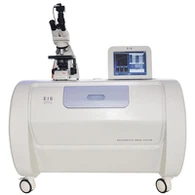
EIS(Erythrocyle Image System)is a speciallzed instrument intended to make image analysisi of functional status of human erythrocytes by the combination of German Leica high-resolution optical components and computer analysis system.

Rely on the core technologies-the bioelectricity technology, the pulsed magneticcontrol technology and the electroencephalogram-driven control technology.
What is Blood Test Device?
A blood test device, also known as a hematology analyzer or a blood analyzer, is a sophisticated piece of medical equipment used to perform diagnostic tests on blood samples. These devices are crucial in healthcare settings, providing critical information that aids in diagnosing diseases, monitoring health conditions, and guiding treatment plans.
Top Benefits Of Blood Test Device
Routine blood work is a set of tests that help evaluate overall health and detect potential medical issues. There are several benefits of routine health checkup blood test but in this blog, we will discuss the top 10 benefits of routine blood work.


Early Detection of Medical Issues: Routine blood work can help identify medical issues early on, which can lead to quicker treatment and better outcomes.
Monitoring Chronic Conditions: For individuals with chronic health conditions such as diabetes, high blood pressure, etc. routine lab tests can help monitor the effectiveness of treatment and identify any changes that may require adjustments to the treatment plan.
Tracking Changes in Health: Changes in blood levels can indicate a variety of health issues, even if you feel perfectly fine. Routine blood work can track changes in overall health over time. It helps in identifying potential health issues before it becomes serious.
Accessing Organs' function: Blood tests can help in evaluating the functions of the organs such as the liver, and kidneys, which are essential for overall health.
Evaluating Nutritional Status: Blood work can also assess nutritional status, such as levels of iron, vitamins, and minerals, which can help identify deficiencies and inform dietary recommendations.
Monitoring Medications Side Effects: Routine blood tests can monitor for potential side effects of medications and ensure that they are not causing any harm to our bodies.
Screening of Cancer: Some blood tests detect cancer markers that are associated with certain types of cancer such as CA 125 which can help with early detection and treatment.
Identifying Infections: Blood tests can also detect infections, such as bacterial or viral infections, that may be causing symptoms or contributing to overall health issues.
Assessing Risk Factors: Blood work can identify risk factors for certain health conditions, such as high cholesterol or elevated blood sugar levels, which can help inform lifestyle changes to reduce the risk of future health problems.
Providing Peace of Mind: Routine blood work can provide peace of mind that your body is functioning normally and help alleviate any concerns or worries about your health.
Principles and Brands of Blood Test Device
A biochemistry analyzer uses spectroscopic techniques in which different atoms absorb different amounts of light to make measurements. There are two main methods colorimetric method and indirect method.
Biochemistry analyzers are instruments used to detect and analyze vital chemical substances. The analyzers provide the basis for clinical information on the diagnosis and treatment of diseases and the healing and health status.
Hematology analyzers are divided into 5-Part Hematology Analyzer and 3-Part Hematology Analyzer. hematology analyzers are based on the principle of blood cell counting and volume determination based on the non-conducting nature of blood cells and the detection of changes in electrical resistance caused by suspended blood cells in an electrolyte solution as they pass through the counting pores. This method is called the resistance method.
Automated hematology analyzers not only improve the accuracy of experimental results, but also provide many experimental indicators. This plays an important role in the diagnosis and differential diagnosis of diseases.
Blood gas analyzer is a medical device used for blood testing. This medical equipment has the advantages of fast, convenient and wide range of testing. It can not only detect the content of oxygen, carbon dioxide and other gases in the patient's blood and the change of blood pH and related indicators within minutes. It can also quickly reflect the content of potassium, sodium and calcium in the blood.
Chemiluminescent labeled immunoassay is also known as chemiluminescent immunoassay. This analyzer is an immunoassay that uses a chemiluminescent agent to directly label antigens or antibodies. Chemiluminescence immunoassay analyzer contains two parts, namely immunoreactive system and chemiluminescence analysis system.
The chemiluminescence analysis system uses a chemiluminescent substance that is catalyzed by a catalyst and oxidized by an oxidant to form an excited state intermediate. When this excited state intermediate back to the stable ground state while emitting photons, the use of luminescence signal measurement instrument to measure the quantum yield of light.
Immunoreactive systems are used to label luminescent substances (excited intermediates generated under reactant excitation) directly onto antigens (chemiluminescent immunoassays) or antibodies (immunochemiluminescent assays), or enzymes acting on luminescent substrates.
Hemocoagulometer, or blood coagulation analyzer. This is a medical device that is a laboratory test for thrombosis and hemostasis. The detection index of molecular markers of hemostasis and thrombosis is closely related to various clinical disorders. Such as atherosclerosis, cardiovascular diseases, diabetes, arterial and venous thrombosis. Thrombo-occlusive vasculitis, pulmonary embolism, hypertensive syndrome in pregnancy, diffuse intravascular coagulation, hemolytic-uremic syndrome, chronic obstructive pneumonia, etc.
There are 3 types of fully automatic blood rheometers. Capillary viscometer (pressure sensor type), round simple viscometer (suspension filament type) and cone plate viscometer.
1) Capillary viscometer (pressure sensor type)
Capillary viscometer principle is the use of a standard capillary tube in the same conditions, the liquid viscosity is different, flow through a certain volume of liquid required time is different. The greater the viscosity, the longer the time required, viscosity and time is proportional. The measurement result is the same as the water than the viscosity.
2) Round simple viscometer (hanging wire type)
Round simple viscometer consists of two coaxial round simple. The cylinder gap to be measured in the liquid. Jane and a spring travel wire (hanging wire) connected. Generally fixed within the simple does not move. Outside the simple to a known angle rotation. By measuring the torque of the liquid potassium on the wall of the inner simple, converted into the viscosity of the liquid.
3) Cone plate viscometer
Cone plate viscometer consists of a round flat plate and a coaxial cone. The liquid to be measured in the cone and plate gap. General fixed plate. The cone is rotated at a known angle. The viscosity of the liquid is converted by measuring the torque of the liquid on the cone.
Read Manufacturer Instructions: Always follow the manufacturer's specific cleaning instructions.
Safety Precautions: Wear appropriate personal protective equipment (PPE) such as gloves and goggles.
Unplug or Power Off: Before cleaning electrical equipment, ensure it is unplugged or powered off to avoid accidents.
Remove Residues: Clean any visible residues with a suitable solvent or cleaning solution. Be cautious with chemicals, ensuring compatibility with the equipment.
Disassemble if Necessary: If possible, disassemble components for a more thorough cleaning. Follow the manufacturer's instructions for disassembly and reassembly.
Use Appropriate Cleaning Agents: Select cleaning agents based on the type of material and the nature of contaminants. Common agents include mild detergents, isopropyl alcohol, or specialized lab cleaning solutions.
Soft Brushes or Cloth: Use soft brushes, lint-free cloths, or cotton swabs for delicate components. Avoid abrasive materials that could damage surfaces.
Rinse Thoroughly: After cleaning, rinse equipment thoroughly with distilled water to remove any residue from cleaning agents.
Dry Completely: Ensure equipment is completely dry before use. Use lint-free cloths or allow items to air-dry, depending on the material.
Check Compatibility: Confirm that the cleaning agents used are compatible with the equipment materials. Some materials may be sensitive to certain chemicals.
How To Use A Blood Test Device?
》Clean your hand thoroughly using either soap and water or an alcohol prep pad. Make sure your skin dries completely before you begin as moisture can dilute the blood sample you take from your finger. Also, don't blow on the fingers to dry them as this can introduce germs.
》Turn your glucometer on by inserting a test strip. Check the glucometer's screen, which will alert you when it's time to add the blood sample to the strip.
》Pierce the side of your fingertip, right next to your fingernail using the lancing device. Piercing this spot hurts less than piercing the pad of your finger. Squeeze the pierced spot to produce an adequately-sized blood drop.
》Place the blood sample on the test strip.
》Use an alcohol pad to stop the bleeding by pushing it against the pierced skin and wait a few seconds for your glucometer to display the results.
》Record your results as it will make it easier for your doctor to create a suitable treatment plan. You can either note down the readings in a notepad or sync your glucometer to your smartphone app to record the readings. Some devices also come with a feature that lets you store the readings on the device itself.
》Carefully dispose of the used test strips and lancet.
Certifications



Our Factory
At present, based on functional medicine science, the company has 16 pieces of self-developed equipment containing independent intellectual property rights. The devices has been installed in more than 500+ hospitals, health management centers, universities and other organizations in our domestic market, and exported to more than 20 countries, such as Germany, USA, Canada, Turkey, Mexico, Indonesia, India, Korea, UAE etc.

FAQ
Hot Tags: blood test device, China blood test device manufacturers, suppliers, factory, sharing system for red blood cell images, imaging system for research purposes for erythrocytes, system for maintenance of erythrocyte imaging equipment, measurement of red blood cell images, measurement system for precise erythrocyte images, classification system for erythrocyte images