


Protecting Brain Microcirculation: A Scientific Approach to Stroke Prevention
May 25 is World Stroke Day, an annual event that highlights common health risks facing the general public. This year's theme is "Recognize the warning signs, protect your brain health." As a major cerebrovascular disease that threatens public health, stroke is characterized by high incidence, high disability rates, high recurrence rates, and high mortality rates, posing a serious threat to the health and quality of life of middle-aged and elderly people, as well as younger populations. Fortunately, stroke is not a sudden, incurable disease; it is preventable, manageable, and treatable. Through early prevention, targeted care, and scientific intervention, we can effectively mitigate stroke risks and build a strong defense for brain health.
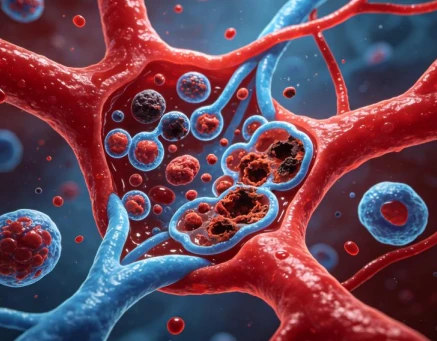
Many people are aware that high blood pressure, high blood sugar, and high blood lipids are major risk factors for stroke, yet they often overlook the key factor hidden deep within the blood vessels: cerebral microcirculation. The brain is the organ in the human body that consumes the most oxygen and nutrients; it is both intricate and fragile. Microcirculation serves as the "terminal network" of the cerebral vascular system, extending throughout the brain and composed of arterioles, capillaries, and venules-essentially forming the brain's "capillary network." If the major cerebral blood vessels are the main arteries responsible for overall blood transport, then the microcirculation is the "side streets" leading to every brain cell. It shoulders the vital mission of delivering oxygen and nutrients to brain cells and promptly removing metabolic waste, serving as the fundamental safeguard for maintaining normal brain function.
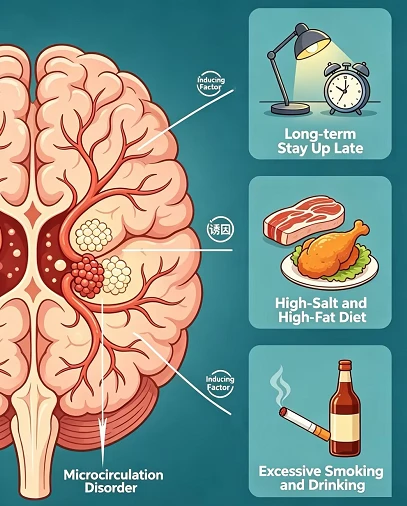
The health of the microcirculation is directly linked to the risk of stroke. Unhealthy lifestyle habits-such as chronic sleep deprivation, high-salt and high-fat diets, prolonged inactivity, and excessive smoking and alcohol consumption-as well as conditions like high blood pressure, high blood sugar, and high cholesterol, can cause sustained damage to the brain's microvasculature and lead to microcirculatory disorders. When cerebral microcirculation is impaired, blood flow slows and blood viscosity increases, creating an environment conducive to the formation of microthrombi. These clots can block peripheral blood vessels in the brain, causing ischemia and hypoxia in brain cells and triggering ischemic stroke. At the same time, microcirculatory disorders can weaken the walls of small blood vessels and increase their permeability, making them highly susceptible to rupture and leading to hemorrhagic stroke. Most silent cerebral infarctions and asymptomatic cerebral ischemia stem from long-term microcirculatory damage. Over time, this accumulates to form vascular lesions, eventually transforming minor risks into life-threatening stroke crises. It can be said that blockages and damage to cerebral microcirculation are the core, hidden triggers of stroke.
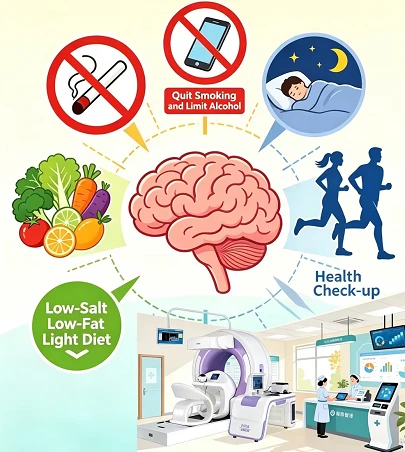
Daily self-care is the first line of defense against stroke and for protecting microcirculation; it is also the most fundamental and critical step. To safeguard brain health and reduce the risk of stroke, it is essential to adopt a scientifically sound and healthy lifestyle that nurtures cerebral vascular microcirculation at its source. In terms of diet, stick to a low-salt, low-fat, and light diet; reduce intake of foods high in oil, salt, and sugar to alleviate the metabolic burden on blood vessels; In daily life, maintain a regular exercise routine, quit smoking, limit alcohol consumption, and avoid staying up late to promote overall blood circulation and keep cerebral microcirculation unobstructed; simultaneously, manage chronic conditions effectively by regularly monitoring blood pressure, blood sugar, and blood lipid levels to prevent damage to microvessels caused by the "three highs" (high blood pressure, high blood sugar, and high blood lipids). In addition, undergo at least one annual health risk assessment and specialized microcirculation screening to accurately identify potential issues such as systemic and cerebral microcirculatory disorders and microthrombi, enabling early detection, early intervention, and early prevention.
For individuals with impaired microcirculation or those at high risk of stroke, lifestyle adjustments alone are insufficient. Professional, scientific interventions are necessary to repair microcirculation and completely eliminate stroke risks. PMR (Pulsed Magnetic) microcirculation therapy, as a safe and effective microcirculation maintenance technology, offers a new solution for protecting brain health and precisely addresses the challenges of cerebral microcirculatory disorders.

PMR (Pulsed Magnetic) microcirculation therapy gently clears blockages in peripheral blood vessels, accelerates cerebral blood flow, improves blood viscosity, effectively dissolves and removes microthrombi, and restores blood and oxygen supply to brain cells. At the same time, it enhances vasodilation, improves cerebral metabolic circulation, eliminates the underlying causes of stroke at their source, and reverses microcirculatory damage. This treatment is non-invasive, safe, and widely applicable, suitable for individuals in suboptimal health, those with high blood pressure, high blood sugar, or high cholesterol, and middle-aged and elderly individuals at high risk for stroke. Long-term intervention provides sustainable care for cerebral blood vessels and stabilizes microcirculation function, comprehensively safeguarding brain health.
Stroke prevention and control hinge on prevention, and the root lies in microcirculation. The significance of World Stroke Day extends beyond raising public awareness of cerebrovascular disease risks; it also calls on everyone to abandon unhealthy lifestyle habits, adhere to daily scientific self-care, and combine these practices with professional microcirculation interventions to scientifically fortify the brain's defenses and avoid the burden of stroke.