


Restore Your Microcirculation Prevent Cardiovascular Fragility in Fall and Winter
As late autumn arrives, the weather turns cooler and the temperature difference between day and night gradually widens, making this season a high-risk period for cardiovascular diseases. The risk of sudden cardiovascular events increases significantly as temperatures drop, posing a potential threat to people's health. Doctors particularly caution that common cardiovascular conditions such as hypertension, coronary heart disease, myocardial infarction, cardiogenic stroke, and heart failure require heightened vigilance during late autumn.
Why Do Cardiovascular Diseases Tend to Strike in Late Autumn?
From the perspective of triggers, the primary factor is the impact of temperature fluctuations. As temperatures steadily drop, blood vessels in the human body are prone to constricting and spasming when exposed to cold. This directly leads to elevated blood pressure, thereby increasing the burden on the heart. For individuals with already weakened cardiovascular function, this significantly heightens the risk of disease onset.

Secondly, unhealthy lifestyle habits are also significant contributing factors. In late autumn, many regions observe the tradition of "gaining weight for the winter." However, indiscriminate consumption of high-fat, high-calorie foods can increase vascular burden. Simultaneously, dry weather conditions can elevate blood viscosity if hydration is neglected, impairing circulation. Furthermore, intense emotional fluctuations-such as anxiety or irritability triggered by weather changes-may stimulate the cardiovascular system and precipitate disease.
Preventing Cardiovascular Disease: Repairing Microcirculation is Key
Medical research and clinical practice demonstrate that repairing microcirculation effectively prevents the formation of cardiovascular disease risks. Microcirculation refers to the blood flow within the body's microarteries, capillaries, and microvenules. It serves as the vital pathway for material exchange between blood and tissue cells, functioning as the body's "lifeline."

When microcirculation is impaired, blood cannot efficiently deliver oxygen and nutrients to tissue cells nor promptly remove metabolic waste. This leads to damage of vascular endothelial cells and reduced vascular elasticity, subsequently triggering issues such as elevated blood pressure and atherosclerosis. Over time, this increases the risk of cardiovascular diseases including coronary heart disease, myocardial infarction, and cerebral infarction. It can be said that the health of microcirculation directly impacts the normal functioning of the cardiovascular system. Maintaining unobstructed microcirculation is a crucial foundation for preventing cardiovascular diseases.
Among methods for restoring microcirculation, pulsed magnetic microcirculation therapy has garnered widespread attention due to its unique mechanisms and advantages. This functional medical physical therapy utilizes an extremely low-frequency pulsed magnetic field applied to the human body. By regulating the membrane potential of red blood cells, it addresses red blood cell aggregation to improve microcirculatory disorders.

Its mechanism of action is primarily manifested in three ways: First, it dilates arterioles and venules, increasing vascular lumen diameter, enhancing microcirculatory blood flow, and improving tissue and organ perfusion; Second, it promotes blood flow, reduces blood viscosity, decreases platelet aggregation, prevents thrombus formation, and ensures smooth circulation. Third, it alters the surface charge distribution of cell membranes, enhances membrane permeability, facilitates the exchange of substances between cells and intercellular communication, "activates" cellular states, and effectively repairs systemic microcirculation while improving the cellular "microenvironment."
Compared to traditional treatments, pulsed magnetic microcirculation therapy offers advantages such as non-invasiveness, no trauma, no side effects, and rapid efficacy. It is suitable not only for individuals at risk of cardiovascular disease but also for preventive healthcare in healthy populations. This therapy helps maintain microcirculatory health during late autumn, reducing the incidence of cardiovascular diseases.
Cardiovascular Disease Patients Must Strengthen Comprehensive Protection
For individuals with cardiovascular disease or risk factors (such as hypertension, hyperlipidemia, diabetes, obesity, or family history), doctors recommend: During the transition from late autumn to early winter, in addition to regular microcirculation therapy, comprehensive protection must be strengthened.
Regarding warmth, adjust clothing according to temperature changes, paying particular attention to keeping the head, neck, abdomen, and feet warm.
In terms of diet, maintain balanced nutrition by adhering to the principles of low salt, low oil, and low sugar intake. Increase consumption of fresh vegetables, fruits, whole grains, and high-quality proteins (such as fish, lean meats, and soy products).
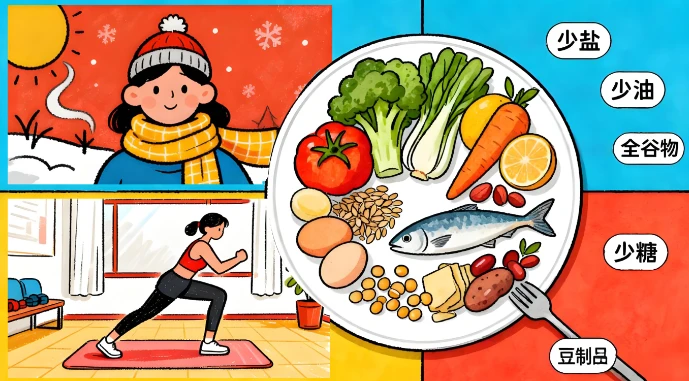
Regarding exercise, pay attention to both the type and intensity of your activities. If outdoor temperatures are low, consider moving your workouts indoors to prevent discomfort caused by cold exposure. Always warm up properly before exercising and stay warm afterward.
For emotional regulation, maintain a calm and optimistic mindset while avoiding extreme mood swings. Engage in activities like listening to music, reading, talking with family and friends, or pursuing hobbies to relieve stress and regulate your emotions, thereby fostering a positive psychological environment for cardiovascular health.
This season marks a high-risk period for cardiovascular diseases. By prioritizing microcirculation repair, implementing comprehensive protective measures, and cultivating healthy lifestyle habits, we can effectively reduce the risk of cardiovascular disease and safeguard our heart health.