

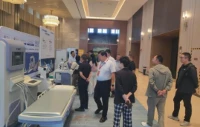


Personalized Customization + Full-Cycle Management: Unlocking the Core Secrets of Functional Medicine Anti-Aging Management
In today's era of heightened health awareness, "anti-aging" has evolved beyond a superficial pursuit of outward youthfulness. It now focuses on precise prevention and control of risks to bodily function, while deeply safeguarding health quality throughout the life cycle. Within this trend, functional medicine offers a novel solution for anti-aging management through its core logic of "precisely identifying risks and scientifically intervening for improvement." Personalized customization and full-cycle management are precisely what distinguish it from traditional health management and enable highly effective anti-aging outcomes.
Traditional anti-aging management often falls into the trap of a "one-size-fits-all" approach: ignoring individual differences in genetics, lifestyle habits, and physiological indicators, and applying standardized intervention protocols, leading to inconsistent outcomes. Simultaneously, most management models remain stuck at the "testing-as-endpoint" stage, lacking follow-up targeted interventions after health check reports are issued. This approach fails to halt the progression of health risks into disease and struggles to sustain long-term anti-aging effects. Functional medicine's breakthrough in anti-aging management lies precisely in overcoming these limitations, reconstructing the anti-aging value chain through precision and continuity.
Personalized customization serves as the "precision navigation system" of functional medicine anti-aging. Grounded in multidimensional testing, it enables scientifically tailored interventions-one strategy per individual.

The aging process in each individual is determined by multiple factors, including genetic background, metabolic status, microcirculation levels, and cognitive function. Only by precisely identifying an individual's health vulnerabilities can a truly effective anti-aging strategy be developed. To this end, functional medicine employs multidimensional assessment tools-such as health risk evaluations, red blood cell aggregation testing, and cognitive impairment screening-to construct a comprehensive health risk profile: Red blood cell imaging precisely captures aggregation patterns to evaluate circulatory and oxygen delivery efficiency, providing a basis for microcirculation improvement; cognitive impairment screening focuses on brain health, detecting early signs of age-related cognitive decline such as memory loss and attention deficits.
Based on these specialized test results, functional medicine experts conduct comprehensive analyses of individual aging characteristics-whether caused by energy deficiency due to metabolic slowdown, functional decline from poor microcirculation, or emerging cognitive decline trends. They then customize personalized anti-aging plans incorporating nutritional guidance, exercise regimens, and lifestyle adjustments, ensuring each intervention precisely matches individual needs and avoiding the resource waste and diminished efficacy of "blind anti-aging" approaches.
Full-cycle management serves as functional medicine's "long-term guardian" in anti-aging, centered on a closed-loop "assessment + intervention" system that drives sustained health improvement.
Functional medicine maintains that the value of health checkups extends beyond "problem detection" to "problem resolution." Anti-aging management must extend into the "post-assessment intervention" phase, forming a full-cycle closed loop from risk screening to continuous improvement. This approach eliminates the industry pain point of "assessment without action."

Following the development of personalized treatment plans, functional medicine employs diverse physical interventions to dynamically block aging risks and restore bodily functions: Pulsed magnetic microcirculation therapy improves local blood flow, activates cellular metabolism, and alleviates aging symptoms such as fatigue and weakened immunity caused by microcirculatory disorders. Memory impairment training utilizing brain-computer interface technology targets cognitive decline risks by implementing scientific memory enhancement and attention exercises to slow the aging process of brain function.
Crucially, comprehensive lifecycle management transcends one-time interventions by establishing long-term health monitoring mechanisms: Regular health risk assessments and follow-up examinations of various physiological indicators dynamically evaluate anti-aging efficacy. Intervention plans are adjusted based on changes in bodily functions, ensuring each management phase aligns with the current health status. This transforms anti-aging outcomes from "short-term improvement" to "long-term maintenance," achieving a genuine shift from "fighting aging" to "delaying aging and aging healthily."
From "precision testing" to "personalized customization," and from "scientific intervention" to "long-term tracking," personalized customization and full-cycle management together form the core system of functional medicine anti-aging management. This system not only redefines the scientific approach to anti-aging-grounded in individual differences and sustained by continuous intervention-but also returns to the fundamental value of health management: transforming anti-aging from a pursuit of "reversing age" into a scientifically grounded, lifelong health preservation strategy.
As functional medicine technology advances, personalized customization will become more precise and full-cycle management more refined. In the future, an increasing number of people will achieve the goal of "healthy longevity and quality aging" through this model, maintaining optimal physical function and quality of life at every stage of life.