



In the realm of healthcare, disease diagnosis equipment stands as a cornerstone, enabling medical professionals to detect, monitor, and treat various health conditions with precision. As a supplier of disease diagnosis equipment, I've witnessed firsthand the remarkable advancements that have revolutionized the field. In this blog, I'll explore the latest developments in disease diagnosis equipment, highlighting their impact on healthcare outcomes and patient well - being.
1. Technological Innovations in Imaging Technology
Imaging technology has come a long way since the discovery of X - rays. Today, we have a wide range of advanced imaging modalities that provide detailed and accurate information about the human body.
Magnetic Resonance Imaging (MRI)
One of the most significant advancements in MRI is the development of high - field and ultra - high - field systems. These systems offer higher resolution images, allowing for better visualization of soft tissues and small anatomical structures. For example, 7 - Tesla MRI machines can detect subtle changes in the brain that were previously undetectable, which is particularly useful in the early diagnosis of neurological disorders such as Alzheimer's disease and multiple sclerosis.
Another innovation is the integration of functional MRI (fMRI) and diffusion tensor imaging (DTI). fMRI measures brain activity by detecting changes in blood flow, while DTI maps the brain's white matter tracts. These techniques have enhanced our understanding of brain function and connectivity, leading to more targeted treatments for brain injuries and mental health disorders.
Computed Tomography (CT)
CT technology has also seen significant improvements. Dual - energy CT, for instance, can differentiate between different types of tissues based on their atomic properties. This is particularly useful in the diagnosis of kidney stones, where it can distinguish between calcium - based and uric acid stones, guiding appropriate treatment decisions.
Moreover, the development of low - dose CT protocols has reduced the radiation exposure to patients, making it a safer option for screening and monitoring. For example, low - dose CT is now widely used for lung cancer screening in high - risk individuals, enabling early detection and potentially saving lives.
2. Point - of - Care Testing (POCT) Devices
Point - of - care testing devices have transformed the way healthcare is delivered, especially in resource - limited settings. These devices allow for rapid diagnosis at the patient's bedside, eliminating the need for time - consuming laboratory testing.
Handheld Blood Analyzers
Handheld blood analyzers are becoming increasingly popular due to their portability and ease of use. They can measure a variety of analytes, such as glucose, cholesterol, and hemoglobin, in a matter of minutes. This is particularly beneficial for patients with chronic diseases who need to monitor their health regularly. For example, patients with diabetes can use a handheld glucose meter to check their blood sugar levels at home, allowing for immediate adjustment of their treatment plan.
Molecular POCT Devices
Molecular POCT devices are another area of rapid development. These devices can detect pathogens, such as viruses and bacteria, directly from patient samples. For example, the development of rapid COVID - 19 antigen tests has been a game - changer in the fight against the pandemic. These tests can provide results within minutes, enabling quick isolation and treatment of infected individuals.
3. Wearable Health Monitoring Devices
Wearable health monitoring devices have gained widespread popularity in recent years. These devices, such as smartwatches and fitness trackers, can collect a wealth of health data, including heart rate, sleep patterns, and physical activity levels.
Continuous Glucose Monitoring (CGM) Systems
CGM systems are a significant advancement in diabetes management. These devices continuously measure glucose levels in the interstitial fluid, providing real - time data to patients and healthcare providers. This allows for better glycemic control and reduces the risk of complications associated with diabetes.


Wearable Electrocardiogram (ECG) Devices
Wearable ECG devices can record the heart's electrical activity, detecting irregular heart rhythms such as atrial fibrillation. These devices are particularly useful for individuals at risk of cardiovascular diseases, as they can provide early warning signs of potential problems. For example, some smartwatches now come with built - in ECG sensors, allowing users to take an ECG reading at any time.
4. Artificial Intelligence (AI) in Disease Diagnosis
Artificial intelligence has the potential to revolutionize disease diagnosis. AI algorithms can analyze large amounts of medical data, including images, patient records, and genetic information, to identify patterns and make accurate predictions.
AI - Assisted Imaging Diagnosis
In the field of medical imaging, AI algorithms can assist radiologists in detecting and diagnosing diseases. For example, AI - powered software can analyze CT scans to detect lung nodules, flagging potential cases of lung cancer for further evaluation. This not only improves the accuracy of diagnosis but also reduces the workload of radiologists.
AI - Driven Predictive Analytics
AI can also be used for predictive analytics in disease diagnosis. By analyzing patient data, such as demographics, medical history, and lifestyle factors, AI algorithms can predict the likelihood of a patient developing a particular disease. This allows for early intervention and preventive measures, potentially reducing the burden of disease on the healthcare system.
5. Our Product Offerings
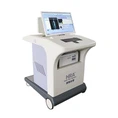
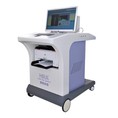
As a supplier of disease diagnosis equipment, we are committed to providing the latest and most advanced technology to our customers. We offer a wide range of products, including Health Checkup Machine, Physical Examination Instruments, and Full Body Scanner Machine in Hospital.
Our health checkup machines are designed to provide comprehensive health assessments, including body composition analysis, cardiovascular function evaluation, and organ function screening. These machines are easy to use and can provide results in a short time, making them ideal for clinics, hospitals, and wellness centers.
Our physical examination instruments are of the highest quality, ensuring accurate and reliable measurements. From stethoscopes to blood pressure monitors, we have a wide selection of instruments to meet the needs of healthcare professionals.
Our full - body scanner machines in hospitals are state - of - the - art, offering high - resolution imaging and advanced diagnostic capabilities. These machines are essential for the detection and diagnosis of various diseases, including cancer, cardiovascular diseases, and neurological disorders.
6. Contact Us for Procurement
The new developments in disease diagnosis equipment have opened up exciting possibilities for improving healthcare outcomes. At our company, we are at the forefront of these advancements, offering cutting - edge products to meet the evolving needs of the healthcare industry.
If you are interested in purchasing disease diagnosis equipment, we invite you to contact us for a detailed discussion. Our team of experts will be happy to provide you with more information about our products, answer your questions, and assist you in making the right purchasing decision.
References
- Bushberg, J. T., Seibert, J. A., Leidholdt, E. M., & Boone, J. M. (2012). The essential physics of medical imaging. Lippincott Williams & Wilkins.
- Suresh, S., & Bhaskaran, K. (2019). Point - of - care testing: A review. Indian Journal of Medical Sciences, 73(1), 1 - 10.
- Topol, E. J. (2019). High - performance medicine: The convergence of human and artificial intelligence. Nature Medicine, 25(1), 44 - 56.