


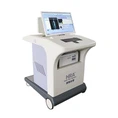

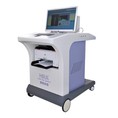
Drug-induced rhinitis is a form of rhinitis caused by the overuse or misuse of certain medications, typically nasal decongestants. It is characterized by symptoms like nasal congestion, runny nose, and sometimes sneezing and itching. As a supplier of rhinitis treatment devices, I often come across inquiries about whether there are suitable devices for drug-induced rhinitis.
Understanding Drug - Induced Rhinitis
Drug-induced rhinitis usually results from the rebound effect of medications. Nasal decongestant sprays, for example, work by constricting blood vessels in the nasal passages to reduce swelling and congestion. However, if used for an extended period (usually more than 3 - 5 days), the blood vessels become dependent on the medication. Once the medication wears off, the blood vessels dilate even more, leading to worse congestion than before, known as the rebound effect.
Common medications that can cause drug-induced rhinitis include oxymetazoline, phenylephrine, and naphazoline, which are often found in over - the - counter nasal sprays. These medications can create a vicious cycle where the patient uses more of the spray to relieve the congestion, but it only makes the condition worse in the long run.
The Need for Device - Based Treatment
One of the drawbacks of relying solely on medications for drug-induced rhinitis is the potential for further complications due to the rebound effect. Device - based treatments offer a non - drug alternative that can break this cycle.
Devices can work in various ways. Some use physical or physiological mechanisms to relieve nasal congestion without the need for medications, while others can assist in the overall management of rhinitis symptoms.
Available Rhinitis Treatment Devices for Drug - Induced Rhinitis
Nasal Irrigation Devices
Nasal irrigation is a popular and effective method for treating various forms of rhinitis, including drug - induced rhinitis. Devices such as nasal sprays for irrigation and neti pots are widely used.
Nasal irrigation works by flushing out excess mucus, allergens, and irritants from the nasal passages. It can help reduce inflammation and improve nasal breathing. By removing the irritants, the nasal tissues can start to recover from the effects of the drug - induced inflammation.
For instance, a saline nasal spray can be used multiple times a day to keep the nasal passages moist and clean. It has no side effects of drug - dependence, making it a safe option for long - term use in patients with drug - induced rhinitis.
Steam Inhalation Devices
Steam inhalation is another simple yet effective way to relieve nasal congestion. Steam helps to moisten the nasal passages, loosen the mucus, and reduce inflammation.
There are now portable steam inhalation devices available. These devices heat water to produce steam, which can be inhaled through a nozzle. The warm, moist air can soothe the irritated nasal tissues and make breathing easier. It is a natural and drug - free method that can be especially helpful for those suffering from drug - induced rhinitis.
Low - Level Laser Therapy (LLLT) Devices
Low - Level Laser Therapy devices are emerging as a promising treatment option for rhinitis. These devices use low - intensity lasers or light - emitting diodes (LEDs) to stimulate cellular activity in the nasal tissues.
LLT can help reduce inflammation, improve blood circulation in the nasal mucosa, and strengthen the immune function of the nasal tissues. By promoting tissue repair and reducing inflammation, LLLT devices can alleviate the symptoms of drug - induced rhinitis.
Advantages of Our Devices
As a leading supplier of rhinitis treatment devices, we offer a range of high - quality products suitable for drug - induced rhinitis.
Our devices are designed with the latest technology to ensure maximum effectiveness and safety. For example, our nasal irrigation devices are made from medical - grade materials, ensuring that the saline solution remains clean and free from contaminants.
We also focus on user - friendliness. Our devices are easy to operate, whether it's a nasal spray, a steam inhalation device, or an LLLT device. Patients can use them at home without the need for professional assistance, which is especially convenient for those with busy lifestyles.


Moreover, our products are cost - effective. We understand that long - term treatment can be expensive, especially if relying on medications. Our devices provide a one - time investment that can be used repeatedly, reducing the overall cost of treatment.
Product Links
If you are interested in learning more about our specific devices, you can visit the following links:
- Instruments for The Treatment Of Chronic Rhinitis
- Portable Allergic Rhinitis Treatment Instrument
- Chronic Allergic Rhinitis Treatment Instrument
Guidance on Purchase and Consultation
If you or someone you know is suffering from drug - induced rhinitis and is looking for a reliable treatment device, we are here to help. Our team of experts can provide you with detailed information about our products, including how to use them, their benefits, and any potential limitations.
We encourage you to contact us for a consultation. Whether you are a medical professional looking to stock our devices in your clinic, or an individual seeking a solution for your rhinitis, we are ready to assist you in finding the most suitable device for your needs.
References
- Bousquet, J., Van Cauwenberge, P., & Khaltaev, N. (2001). Allergic rhinitis and its impact on asthma. Journal of Allergy and Clinical Immunology, 108(5 Suppl), S147 - 334.
- Scanlon, P. D. (2009). Nasal decongestants: local and systemic effects. American Journal of Rhinology & Allergy, 23(3), 233 - 236.
- Wang, L., & Jia, H. (2015). Low - level laser therapy in the treatment of allergic rhinitis: a meta - analysis. Photomedicine and Laser Surgery, 33(11), 633 - 640.