


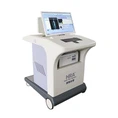

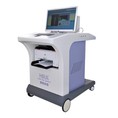
Hey there! As a supplier of body check - up machines, I often get asked this question: Can a body check - up machine detect liver diseases? Well, let's dig into this topic and find out.
First off, there are different types of body check - up machines out there. Some of the well - known ones include the Health Risk Appraisal System, the Health Risk Assessment Device, and the Health Analyzer Machine. These machines use a variety of technologies to assess the health of a person.
When it comes to liver diseases, early detection is super important. Liver diseases can range from simple fatty liver, which might not cause many symptoms at first, to more serious conditions like hepatitis, cirrhosis, and liver cancer. The earlier we can spot these issues, the better the chances of successful treatment.
Let's start with how these machines work. Most body check - up machines rely on different physiological signals to evaluate the body's condition. For example, some use bioelectrical impedance analysis (BIA). BIA measures the resistance of the body to a small electrical current. Since the liver is a major organ in the body, changes in its condition can affect the electrical conductivity of the surrounding tissues. If there is inflammation or other problems in the liver, it can alter the way the electrical current passes through the body.
Another technology used in these machines is ultrasound. Ultrasound machines send high - frequency sound waves into the body. When these sound waves hit different organs, including the liver, they bounce back and create an image. A trained technician can then look at this image to check for any abnormalities in the liver's size, shape, and structure. For instance, in cases of cirrhosis, the liver may appear shrunken and have a bumpy texture on the ultrasound image.
Blood tests are also an important part of many body check - up machines. Some machines can analyze a small sample of blood to measure various liver - related markers. For example, alanine aminotransferase (ALT) and aspartate aminotransferase (AST) are enzymes that are normally found in liver cells. When the liver is damaged, these enzymes leak into the bloodstream, and their levels can be detected by the machine. Elevated levels of ALT and AST can be an indication of liver problems such as hepatitis or liver injury.
Now, it's important to note that while these body check - up machines can be really helpful, they are not 100% accurate in detecting all liver diseases. There are limitations. For example, in the early stages of some liver diseases, the changes in physiological signals may be very subtle, and the machine might not pick them up. Also, some factors like a person's diet, recent alcohol consumption, or certain medications can affect the test results and give false positives or false negatives.


Let's take fatty liver as an example. In the early stages of fatty liver, there may not be significant changes in the electrical conductivity or the levels of liver enzymes. So, the machine might not be able to detect it easily. However, as the condition progresses and more fat accumulates in the liver, it becomes more likely that the machine will detect some abnormalities.
In the case of liver cancer, body check - up machines can sometimes detect the presence of tumors, but they may not be able to determine if the tumor is cancerous or benign. Further tests like biopsies are usually needed for a definitive diagnosis.
But despite these limitations, body check - up machines are still a great tool for early screening. They can give a general idea of the liver's health and help identify people who may be at risk of liver diseases. Regular check - ups using these machines can encourage people to take better care of their liver health. For example, if a machine detects slightly elevated liver enzyme levels, it can prompt a person to change their lifestyle, such as reducing alcohol intake, eating a healthier diet, and getting more exercise.
So, to answer the question, yes, a body check - up machine can detect liver diseases to a certain extent. It can provide valuable information about the liver's condition and help in the early detection of many liver problems.
If you're a healthcare provider, a wellness center, or just someone interested in having access to high - quality body check - up machines, we've got you covered. Our range of machines, including the Health Risk Appraisal System, Health Risk Assessment Device, and Health Analyzer Machine, are designed to provide accurate and reliable results.
We understand that choosing the right body check - up machine is an important decision. That's why we offer excellent customer support and training to make sure you can use the machine effectively. Whether you're new to using these machines or have some experience, we're here to help you get the most out of them.
If you're interested in learning more about our products or want to discuss a potential purchase, don't hesitate to reach out. We're eager to have a conversation with you and see how we can meet your needs.
References
- Harrison's Principles of Internal Medicine. This comprehensive medical textbook provides in - depth information about liver diseases and diagnostic methods.
- Journal of Hepatology. A leading journal in the field of liver research, which often publishes studies on the latest diagnostic technologies for liver diseases.