


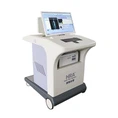

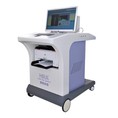
Hey there! As a supplier of full body check - up machines, I often get asked a bunch of questions about what these machines can and can't do. One question that pops up quite a bit is, "Can a full body check - up machine be used for bone density testing?" Let's dig into this topic and find out.
First off, let me give you a bit of background on full body check - up machines. These machines are pretty cool. They're designed to give a comprehensive overview of a person's health. You can check out more about Full Body Checkup Machine. They use various technologies to assess different aspects of the body, like the cardiovascular system, digestive system, and even the nervous system. They're like a one - stop - shop for getting a snapshot of your overall health.
Now, bone density testing is a whole different ballgame. It's mainly focused on measuring the amount of minerals, like calcium, in your bones. This is super important because it helps doctors figure out how strong your bones are and if you're at risk of conditions like osteoporosis.
So, can a full body check - up machine do bone density testing? Well, it depends on the type of full body check - up machine we're talking about. There are different models and technologies out there. Some full body check - up machines use bioelectrical impedance analysis (BIA). BIA works by sending a small, painless electrical current through the body. Since different tissues in the body conduct electricity differently, the machine can make some estimates about things like body fat percentage, muscle mass, and to some extent, bone mineral content. But the accuracy of BIA for bone density testing is a bit iffy.
You see, BIA is more of a general tool. It gives you a broad idea of your body composition. When it comes to bone density, it can't provide the same level of precision as dedicated bone density testing machines. Dedicated machines, like dual - energy X - ray absorptiometry (DXA) scanners, are the gold standard for bone density testing. They can measure bone density at specific sites in the body, like the hip and spine, with a high degree of accuracy.
However, there are some newer full body check - up machines that are trying to bridge the gap. These machines might incorporate additional sensors or use advanced algorithms to get a better read on bone density. For example, some use ultrasound technology. Ultrasound bone density testing is non - invasive and can give a good indication of bone health, especially in the heel or wrist. It's not as accurate as DXA in all cases, but it's a lot more convenient and doesn't expose the patient to radiation.
If you're considering a full body check - up machine that claims to do bone density testing, you need to do your homework. Look at the machine's specifications, read reviews from other users, and maybe even talk to medical professionals who have used it. You can also learn more about the technology behind these machines through the Health Risk Appraisal System.
One of the advantages of using a full body check - up machine for bone density testing, if it's accurate enough, is the convenience. Instead of having to go to a separate clinic for a bone density test, you can get it done as part of your overall health check - up. This can save time and money, especially for patients who need regular check - ups.
On the other hand, the limitations are also significant. As I mentioned earlier, the accuracy might not be up to par with dedicated machines. And if a patient has a high risk of osteoporosis or other bone - related conditions, relying solely on a full body check - up machine for bone density testing might lead to inaccurate diagnoses. This could have serious consequences for the patient's treatment and long - term health.
In a clinical setting, doctors often use a combination of methods. They might start with a full body check - up machine to get a general idea of a patient's health, including a rough estimate of bone density. Then, if the results suggest a potential problem, they'll follow up with a more accurate DXA scan.


So, to sum it up, while some full body check - up machines can give you an idea of bone density, they're not a replacement for dedicated bone density testing machines. But they can be a useful addition to a comprehensive health assessment.
If you're in the market for a full body check - up machine, whether you're a medical clinic, a fitness center, or just someone interested in monitoring your own health, we've got some great options. Our machines are designed with the latest technology to provide accurate and comprehensive health assessments. You can explore our Health Risk Appraisal System Machine for more details.
If you're interested in learning more or want to discuss purchasing options, don't hesitate to reach out. We're here to answer all your questions and help you find the best machine for your needs. Whether you're looking to expand your medical services or just want to take better care of your health, we can assist you.
References
- WHO. (2022). Global report on bone health. World Health Organization.
- National Osteoporosis Foundation. (2023). Bone density testing guidelines. National Osteoporosis Foundation.
- Journal of Clinical Densitometry. (2021). Comparison of different methods for bone density measurement. Journal of Clinical Densitometry.