


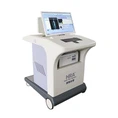

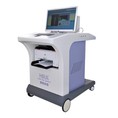
Autoimmune diseases are a group of disorders in which the body's immune system mistakenly attacks its own cells, tissues, and organs. These conditions can be challenging to diagnose due to their diverse symptoms and the fact that they often mimic other illnesses. As a supplier of full body checkup machines, a question that frequently arises is whether these machines can detect autoimmune diseases. In this blog post, we'll explore the capabilities of full body checkup machines in the context of autoimmune disease detection, based on current medical knowledge and technological advancements.
Understanding Autoimmune Diseases
Autoimmune diseases encompass a wide range of conditions, such as rheumatoid arthritis, lupus, multiple sclerosis, and type 1 diabetes. Each disease has its unique set of symptoms, which can vary widely from person to person. Common symptoms may include fatigue, joint pain, skin rashes, and digestive problems. The underlying cause of autoimmune diseases is complex and involves a combination of genetic, environmental, and hormonal factors.
Diagnosing autoimmune diseases typically involves a combination of clinical evaluation, medical history review, and laboratory tests. These tests often include blood tests to detect the presence of autoantibodies - antibodies that the immune system produces against the body's own proteins. Other tests may include imaging studies, such as X - rays or MRIs, to assess the damage to organs and tissues.
The Functionality of Full Body Checkup Machines
Full body checkup machines, such as the Health Check-up Machine, Disease Diagnosis Equipment, and Full Body Health Analyzer Machine, are designed to provide a comprehensive assessment of a person's health. These machines use various technologies, including bioelectrical impedance analysis, infrared thermography, and spectroscopy, to gather information about the body's internal organs, systems, and functions.
Bioelectrical impedance analysis measures the body's resistance to an electrical current, which can provide information about body composition, such as fat mass, muscle mass, and water content. Infrared thermography detects the infrared radiation emitted by the body, which can help identify areas of inflammation or abnormal heat patterns. Spectroscopy analyzes the interaction of light with biological tissues to detect the presence of specific molecules or compounds.
Can Full Body Checkup Machines Detect Autoimmune Diseases?
The ability of full body checkup machines to detect autoimmune diseases is limited but not non - existent. On one hand, these machines can provide valuable information that may be relevant to the diagnosis of autoimmune diseases. For example, they can detect signs of inflammation in the body, which is a common feature of many autoimmune conditions. By measuring bioelectrical impedance, changes in tissue composition due to inflammation or damage can be detected. Infrared thermography can also identify areas of increased heat, which may indicate ongoing immune activity.
However, full body checkup machines cannot directly detect autoantibodies, which are a key diagnostic marker for many autoimmune diseases. Autoantibodies are typically detected through specialized blood tests, such as enzyme - linked immunosorbent assays (ELISAs) or immunofluorescence assays. These tests are highly specific and sensitive and are considered the gold standard for the diagnosis of autoimmune diseases.
Another limitation is that the symptoms of autoimmune diseases can be very subtle in the early stages, and full body checkup machines may not be able to detect these subtle changes. Additionally, the results of full body checkup machines need to be interpreted in the context of a person's medical history and other clinical findings. A positive result on a full body checkup machine does not necessarily mean that a person has an autoimmune disease, and further testing is usually required for a definitive diagnosis.
Complementary Role in Autoimmune Disease Diagnosis
Despite their limitations, full body checkup machines can play a complementary role in the diagnosis of autoimmune diseases. They can be used as a screening tool to identify individuals who may be at risk of developing autoimmune diseases or to monitor the progression of the disease in patients who have already been diagnosed.
For example, in patients with rheumatoid arthritis, full body checkup machines can be used to monitor joint inflammation and damage over time. By regularly assessing the bioelectrical impedance and infrared thermography of the affected joints, doctors can track the effectiveness of treatment and make adjustments as needed.
In addition, full body checkup machines can provide a more holistic view of a patient's health. Autoimmune diseases often affect multiple organ systems, and these machines can detect abnormalities in different parts of the body. This information can help doctors develop a more comprehensive treatment plan that addresses all aspects of the patient's health.
The Future of Full Body Checkup Machines in Autoimmune Disease Detection
As technology continues to advance, the capabilities of full body checkup machines in detecting autoimmune diseases are likely to improve. Researchers are exploring new ways to integrate advanced imaging and molecular detection techniques into these machines. For example, the development of biosensors that can detect specific autoantibodies in a non - invasive way could revolutionize the diagnosis of autoimmune diseases.
In addition, artificial intelligence and machine learning algorithms are being used to analyze the large amount of data generated by full body checkup machines. These algorithms can identify patterns and correlations that may not be apparent to human observers, which could lead to earlier and more accurate diagnoses of autoimmune diseases.
Conclusion
In conclusion, while full body checkup machines cannot currently provide a definitive diagnosis of autoimmune diseases, they can offer valuable information that can complement traditional diagnostic methods. As a supplier of Health Check-up Machine, Disease Diagnosis Equipment, and Full Body Health Analyzer Machine, we believe in the potential of these machines to improve the early detection and management of autoimmune diseases.


If you are interested in learning more about our full body checkup machines or are considering purchasing them for your medical facility, we encourage you to contact us for a detailed discussion. Our team of experts is ready to provide you with in - depth information and support to help you make an informed decision.
References
- Firestein, G. S., Budd, R. C., Gabriel, S. E., McInnes, I. B., & O'Dell, J. R. (Eds.). (2017). Kelley and Firestein's Textbook of Rheumatology. Elsevier.
- Shoenfeld, Y., & Isenberg, D. A. (Eds.). (2019). Autoimmune Diseases. Academic Press.
- Abbas, A. K., Lichtman, A. H., & Pillai, S. (2018). Cellular and Molecular Immunology. Elsevier.