



Hey there! As a supplier of health analyzer machines, I often get asked a bunch of questions about what these nifty devices can and can't do. One question that's been popping up more and more lately is, "Can a health analyzer machine be used for mental health assessment?" Well, let's dive right into this topic and see what we can find out.
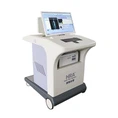
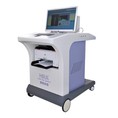
First off, let's talk a bit about what these health analyzer machines are. We've got all sorts of cool stuff in our product range, like the Health Risk Appraisal System. This system is designed to give a comprehensive overview of a person's health risks. Then there are the Physical Examination Instruments that can measure all kinds of physical parameters. And of course, we have the Disease Diagnosis Equipment which helps in identifying various health issues.
Now, when it comes to mental health assessment, things get a bit tricky. Mental health is a complex area, and it's not as straightforward as measuring your blood pressure or checking your cholesterol levels. But that doesn't mean our health analyzer machines can't play a role.
Some of the ways these machines might be useful for mental health assessment is through the data they collect. For example, many health analyzer machines can measure physiological parameters like heart rate variability, skin conductance, and cortisol levels. These physiological markers can sometimes give us clues about a person's stress levels and emotional state. High levels of stress are often associated with mental health problems like anxiety and depression. So, by monitoring these physiological changes, we might be able to detect early signs of mental distress.
Let's take heart rate variability (HRV) as an example. HRV is the variation in the time interval between consecutive heartbeats. A healthy person usually has a high HRV, which means their heart rate can adapt well to different situations. On the other hand, people with mental health issues like anxiety and depression often have a lower HRV. Our health analyzer machines can measure HRV accurately, and if we see a significant decrease in a person's HRV over time, it could be a red flag for potential mental health problems.


Skin conductance is another parameter that can be measured by some of our machines. Skin conductance reflects the activity of the sympathetic nervous system, which is involved in the body's stress response. When a person is stressed or anxious, their skin conductance usually increases. By tracking changes in skin conductance, we can get an idea of how a person is coping with stress, which is closely related to mental health.
Cortisol is known as the "stress hormone." Elevated cortisol levels over a long period can have a negative impact on both physical and mental health. Some of our advanced health analyzer machines can measure cortisol levels in saliva or blood. If we find that a person has consistently high cortisol levels, it could indicate chronic stress, which is a risk factor for mental health disorders.
But here's the thing: while these physiological markers can give us some insights into a person's mental state, they are not a direct measure of mental health. Mental health is also influenced by many other factors, such as a person's thoughts, feelings, and life experiences. So, our health analyzer machines can't replace a professional mental health assessment by a psychologist or psychiatrist.
However, they can be a valuable tool in the early detection and monitoring of mental health problems. For example, in a primary care setting, a doctor could use the data from our machines to identify patients who might be at risk of mental health issues. This could prompt further referral to a mental health specialist for a more in - depth assessment.
In a corporate wellness program, our health analyzer machines could be used to screen employees for stress and potential mental health problems. By detecting these issues early, companies can provide appropriate support and resources to their employees, which can improve both the employees' well - being and the company's productivity.
Another area where our machines can be useful is in the monitoring of patients who are undergoing treatment for mental health disorders. By regularly measuring physiological parameters, doctors can track the patient's progress and adjust the treatment plan if necessary.
Now, I know what you might be thinking. "That sounds great, but how reliable are these measurements?" Well, our health analyzer machines are designed to be as accurate as possible. We use the latest technology and have strict quality control measures in place to ensure the reliability of the data they collect.
But it's important to remember that no measurement is 100% perfect. There can be other factors that affect the physiological markers we measure. For example, physical activity, diet, and medications can all influence heart rate, skin conductance, and cortisol levels. So, when interpreting the data from our machines, we need to take these factors into account.
In conclusion, while our health analyzer machines can't give a definitive diagnosis of mental health disorders, they can play a valuable role in the early detection and monitoring of mental health problems. They provide a non - invasive and relatively quick way to collect physiological data that can be used as part of a comprehensive approach to mental health assessment.
If you're interested in learning more about how our health analyzer machines can be used in mental health assessment or other aspects of healthcare, I'd love to have a chat with you. Whether you're a healthcare provider looking to improve your patient care, a corporate wellness manager aiming to support your employees, or someone else with an interest in our products, we're here to help. Reach out to us for a detailed discussion and let's see how we can work together to make a positive impact on people's health.
References
- American Psychiatric Association. Diagnostic and Statistical Manual of Mental Disorders (DSM - 5).
- National Institute of Mental Health. Mental Health Information.
- Research articles on the relationship between physiological markers and mental health.