


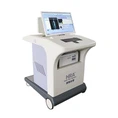

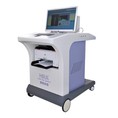
In today's fast - paced world, a good night's sleep has become a luxury for many. Sleep is not just a period of rest; it is a complex physiological process crucial for physical health, cognitive function, and emotional well - being. As a supplier of apparatus for improving sleep, I am constantly fascinated by the scientific principles that underlie these innovative devices. In this blog, we will explore the science behind these sleep - enhancing apparatuses and how they work to provide better sleep.
The Science of Sleep
Before delving into the scientific principles of sleep - improving apparatuses, it is essential to understand the basics of sleep. Sleep is divided into two main types: non - rapid eye movement (NREM) sleep and rapid eye movement (REM) sleep. NREM sleep is further divided into three stages, with each stage representing a deeper level of sleep. Stage 1 is a light sleep from which a person can be easily awakened. Stage 2 is a transition to deeper sleep, and the body temperature drops, and the heart rate slows down. Stages 3 and 4 are known as deep sleep or slow - wave sleep, during which the body repairs and regenerates tissues, builds bone and muscle, and strengthens the immune system.
REM sleep, on the other hand, is associated with dreaming, memory consolidation, and emotional regulation. A normal sleep cycle lasts about 90 - 120 minutes and consists of alternating periods of NREM and REM sleep. Disruptions in these sleep cycles can lead to various sleep disorders, such as insomnia, sleep apnea, and restless leg syndrome.
Scientific Principles of Apparatus for Improving Sleep
1. Light Therapy
Light plays a crucial role in regulating our internal body clock, also known as the circadian rhythm. The circadian rhythm is a 24 - hour internal clock that regulates various physiological processes, including sleep - wake cycles. Exposure to natural light during the day helps to synchronize the circadian rhythm, while dim light in the evening signals the body to prepare for sleep.
Light therapy devices use specific wavelengths of light to mimic natural sunlight and adjust the circadian rhythm. For example, blue light, which has a short wavelength, is particularly effective in suppressing the production of melatonin, a hormone that regulates sleep. By exposing users to blue light in the morning, these devices can help reset the circadian rhythm, making it easier to wake up and stay alert during the day. In the evening, devices can emit warm, red - orange light, which promotes the production of melatonin and signals the body to wind down for sleep. Apparatus for Improving Sleep often incorporate light therapy features to help users achieve a more regular sleep - wake cycle.
2. Sound Therapy
Sound can have a profound impact on our relaxation and sleep. White noise, pink noise, and nature sounds are commonly used in sound therapy to mask background noise and create a soothing environment. White noise is a combination of all audible frequencies and has a consistent, static - like sound. Pink noise, on the other hand, has more energy in the lower frequencies and is often described as a more natural - sounding noise.
Research has shown that listening to these types of sounds can help reduce stress, improve concentration, and promote better sleep. Sound - generating devices work by creating a consistent auditory environment that blocks out disruptive noises, such as traffic or snoring. This helps to calm the mind and body, making it easier to fall asleep and stay asleep. Some Apparatus for Improving Sleep are equipped with built - in sound generators that offer a variety of sounds to suit different user preferences.
3. Temperature Regulation
The body's core temperature plays an important role in sleep. As we approach sleep, our body temperature naturally drops, and this drop is essential for initiating and maintaining sleep. Conversely, a high body temperature can make it difficult to fall asleep and can lead to more fragmented sleep.


Temperature - regulating sleep apparatuses, such as cooling mattresses or heated blankets, work by adjusting the sleep environment to promote the natural drop in body temperature. Cooling mattresses use advanced technologies, such as gel layers or water - based cooling systems, to dissipate heat and keep the body cool during sleep. Heated blankets, on the other hand, can be used in colder environments to provide a warm and cozy sleep environment, which can also help to relax the body and improve sleep quality.
4. Electromagnetic Field Therapy
The human body is constantly exposed to electromagnetic fields (EMFs), both natural and man - made. Some studies suggest that certain EMFs can have a positive impact on sleep. For example, pulsed electromagnetic field (PEMF) therapy uses low - frequency electromagnetic fields to stimulate the body's cells and tissues.
PEMF therapy devices work by emitting specific frequencies and intensities of electromagnetic fields that can penetrate the body. These fields are thought to enhance blood circulation, reduce inflammation, and promote the production of neurotransmitters, such as serotonin and dopamine, which are important for sleep regulation. By using PEMF therapy, these devices can help improve sleep quality, reduce stress, and enhance overall well - being.
5. Sleep Monitoring and Biofeedback
Many modern sleep - improving apparatuses are equipped with sensors that can monitor various sleep parameters, such as heart rate, breathing rate, movement, and sleep stages. These sensors collect data throughout the night, which can then be analyzed to provide users with detailed information about their sleep quality.
Biofeedback is a technique that uses this data to help users become more aware of their physiological processes during sleep and make adjustments to improve sleep. For example, if the device detects that a user's heart rate is elevated during sleep, it can provide feedback, such as gentle vibrations or soothing sounds, to help the user relax and lower their heart rate. Sleep monitoring and biofeedback can be particularly useful for people with sleep disorders, as it allows them to track their progress and make lifestyle changes to improve their sleep.
Devices for The Treatment Of Sleep Disorders
In addition to general sleep - improving apparatuses, there are also specialized Devices for The Treatment Of Sleep Disorders. For example, continuous positive airway pressure (CPAP) machines are commonly used to treat sleep apnea. Sleep apnea is a disorder characterized by pauses in breathing during sleep, which can lead to low oxygen levels in the blood and disrupted sleep.
CPAP machines work by delivering a continuous stream of pressurized air through a mask worn over the nose or mouth. This pressurized air keeps the airway open, preventing the collapse of the airway tissues and ensuring a normal breathing pattern during sleep. Another example is the use of oral appliances for the treatment of snoring and mild to moderate sleep apnea. These appliances are custom - made to fit the user's mouth and work by repositioning the jaw and tongue to keep the airway open.
Why Choose Our Apparatus for Improving Sleep
As a supplier of sleep - improving apparatuses, we are committed to providing high - quality, scientifically - proven products. Our devices are designed based on the latest research in sleep science and incorporate the most advanced technologies to ensure maximum effectiveness.
We understand that every individual's sleep needs are different, which is why we offer a wide range of products to suit various preferences and sleep problems. Whether you are looking for a simple sound machine to create a relaxing sleep environment or a more advanced sleep monitoring device to track your sleep quality, we have the right solution for you.
Contact Us for Procurement
If you are interested in purchasing our sleep - improving apparatuses or would like to learn more about our products, we encourage you to contact us for a procurement discussion. Our team of experts is ready to assist you in finding the best sleep solutions for your needs. We offer competitive pricing, excellent customer service, and fast shipping. Let us help you achieve a better night's sleep and improve your overall quality of life.
References
- American Academy of Sleep Medicine. (2022). International Classification of Sleep Disorders, 3rd Edition.
- Buysse, D. J. (2014). Assessment and management of insomnia. Mayo Clinic Proceedings, 89(2), 254 - 262.
- Cirignotta, F., & Oldani, A. (2016). Sleep Medicine: Basics and Clinical Practice. Springer.
- National Sleep Foundation. (2023). Sleep and the circadian rhythm. Retrieved from [National Sleep Foundation website]
- Tsai, P. S., & Tsai, M. H. (2018). The use of light therapy in sleep medicine. Journal of Clinical Sleep Medicine, 14(7), 1219 - 1227.