


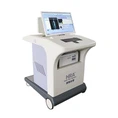

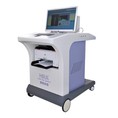
In the rapidly evolving landscape of modern healthcare, the quest for accurate and comprehensive diagnostic tools has led to the development of a wide array of sophisticated machines. Among these, health analyzer machines have emerged as valuable assets, offering a range of insights into an individual's health status. One question that often arises is whether a health analyzer machine can measure bone density. As a supplier of health analyzer machines, I am well - versed in the capabilities and limitations of these devices, and I will delve into this topic in detail.
Understanding Bone Density Measurement
Bone density is a crucial indicator of bone health. Low bone density can lead to conditions such as osteoporosis, which increases the risk of fractures. Traditional methods of measuring bone density include dual - energy X - ray absorptiometry (DXA), quantitative ultrasound (QUS), and quantitative computed tomography (QCT).
DXA is considered the gold standard for bone density measurement. It uses two different X - ray energies to measure the amount of calcium and other minerals in a specific area of bone, typically the hip and spine. DXA provides highly accurate results and is widely used in clinical settings to diagnose osteoporosis and assess fracture risk [1].
QUS, on the other hand, uses ultrasound waves to measure the density and elasticity of bone. It is a non - invasive and radiation - free method, often used for screening purposes, especially in children and pregnant women. QCT uses a CT scanner to measure bone density in three dimensions, providing more detailed information but also exposing the patient to a relatively higher dose of radiation compared to DXA [2].
Capabilities of Health Analyzer Machines
Health analyzer machines, such as the ones we supply at our company, are designed to provide a comprehensive assessment of an individual's health. These machines use a variety of technologies, including bioelectrical impedance analysis (BIA), spectroscopy, and sensor - based monitoring, to gather data on various physiological parameters.
Bioelectrical impedance analysis involves passing a small, painless electrical current through the body and measuring the resistance. This information can be used to estimate body composition, including fat mass, muscle mass, and water content. Some advanced health analyzer machines can also use BIA to estimate bone mineral content to a certain extent. By analyzing the electrical properties of the body, these machines can detect changes in the density and structure of tissues, including bones.
Spectroscopy - based health analyzer machines use light to analyze the chemical composition of the body. They can detect the presence of certain biomarkers in the blood, tissues, or breath, which can be related to bone health. For example, changes in the levels of calcium, vitamin D, and other bone - related biomarkers can be detected, providing indirect information about bone density.
Sensor - based health analyzer machines are equipped with various sensors that can measure factors such as body temperature, heart rate, blood pressure, and movement. While these sensors do not directly measure bone density, they can provide valuable information about the overall health status, which can be correlated with bone health. For instance, a sedentary lifestyle, as detected by movement sensors, can be a risk factor for low bone density.
Limitations of Health Analyzer Machines in Measuring Bone Density
Despite the advanced technologies used in health analyzer machines, they have certain limitations when it comes to measuring bone density. Firstly, the accuracy of these machines is generally lower compared to traditional methods such as DXA. The estimates of bone density obtained from health analyzer machines are often based on algorithms and models, which may not account for all the factors that affect bone density.
Secondly, health analyzer machines typically provide a more general assessment of bone health rather than a precise measurement of bone density at specific sites. DXA, for example, can measure the bone density of the hip and spine, which are the most common sites for osteoporosis - related fractures. In contrast, health analyzer machines may only provide an overall estimate of bone mineral content or a general indication of bone health status.
Thirdly, external factors can significantly affect the results obtained from health analyzer machines. For example, the presence of metal implants, jewelry, or clothing can interfere with the electrical signals used in BIA, leading to inaccurate results. Similarly, factors such as hydration status and recent food intake can also affect the measurements.
Complementary Role of Health Analyzer Machines
Although health analyzer machines may not be able to replace traditional bone density measurement methods, they can play a complementary role in bone health assessment. For example, they can be used for screening purposes to identify individuals who may be at risk of low bone density. By providing a quick and non - invasive assessment of bone health, these machines can help in early detection and intervention.
Health analyzer machines can also be used for long - term monitoring of bone health. They can track changes in bone - related biomarkers and other physiological parameters over time, providing valuable information about the effectiveness of treatment or lifestyle interventions. For instance, if a patient is undergoing a treatment for osteoporosis, a health analyzer machine can be used to monitor the changes in bone - related biomarkers and overall health status.
Conclusion and Call to Action
In conclusion, while health analyzer machines cannot provide a highly accurate and site - specific measurement of bone density like traditional methods such as DXA, they can offer valuable insights into bone health. These machines can be used for screening, long - term monitoring, and providing a more comprehensive view of an individual's overall health status.
If you are interested in learning more about our Health Analyzer Machine and its capabilities in bone health assessment, or if you are considering purchasing a machine for your healthcare facility, we encourage you to reach out to us for a detailed discussion. Our team of experts is ready to assist you in understanding how our machines can fit into your diagnostic and monitoring needs. Additionally, you can explore our Full Body Scanner Machine in Hospital and Human Health Risk Assessment Instrument to discover the full range of our products. Contact us today to start the procurement and negotiation process.


References
[1] Kanis JA, Melton LJ 3rd, Christiansen C, Johansson H, Oden A. The diagnosis of osteoporosis. J Bone Miner Res. 1994;9(8):1137 - 1141.
[2] Grampp S, Genant HK, Cann CE, Ettinger B, Gluer CC, Harris ST. Quantitative computed tomography of the spine: a multicenter study. Osteoporosis Int. 1996;6(3):241 - 248.