


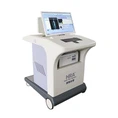

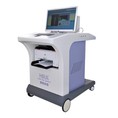
As a supplier of health checkup machines, I often receive inquiries about the suitability of our products for children. This is a crucial question that requires a comprehensive and evidence - based answer. In this blog, I will delve into the topic of whether a health checkup machine can be used for children, exploring the benefits, limitations, and considerations.
The Benefits of Using Health Checkup Machines for Children
Health checkup machines, such as the Health Analyzer Machine, offer several advantages when it comes to children's health. Firstly, early detection of health issues is key to effective treatment. These machines can perform a wide range of tests, including checking vital signs like heart rate, blood pressure, and body temperature. For children, this early detection can be life - saving. For example, a machine can detect abnormal heart rhythms that might not be obvious to a parent or even a general physical examination.


Secondly, health checkup machines provide a non - invasive way to assess a child's health. Many children are afraid of needles and invasive procedures. Using a Disease Diagnosis Equipment, we can obtain important health information without causing distress to the child. This is particularly important for regular check - ups, as it encourages children to be more cooperative and less fearful of medical examinations.
Thirdly, these machines can help in monitoring a child's growth and development. They can measure parameters such as height, weight, and body mass index (BMI) accurately. By tracking these measurements over time, parents and healthcare providers can ensure that the child is growing at a healthy rate. If any deviations are detected, appropriate interventions can be made promptly.
Limitations and Considerations
However, there are also limitations and considerations when using health checkup machines for children. One of the main issues is the accuracy of the results. Children's bodies are still developing, and their physiological parameters can be different from those of adults. Some health checkup machines are calibrated mainly for adult use, and using them on children may lead to inaccurate readings. For example, the normal range of blood pressure for a child varies depending on age, height, and gender. A machine that is not properly calibrated for children may misinterpret the blood pressure readings, leading to unnecessary worry or missed diagnoses.
Another consideration is the psychological impact on the child. Although the machines are generally non - invasive, some children may still be intimidated by the technology and the process. It is important to introduce the use of the machine in a friendly and reassuring way. Parents and healthcare providers should explain to the child what the machine does and why it is important. This can help reduce the child's anxiety and make the experience more positive.
In addition, the interpretation of the results requires professional knowledge. Healthcare providers need to be well - trained in understanding the results obtained from health checkup machines, especially when it comes to children. They need to take into account the child's age, medical history, and other factors when making a diagnosis. Incorrect interpretation of the results can lead to inappropriate treatment or neglect of a real health problem.
Age - Specific Considerations
The suitability of using health checkup machines also varies depending on the age of the child. For infants and toddlers, some basic measurements like weight, length, and head circumference can be easily obtained using simple tools that are part of a health checkup machine. However, more complex tests may not be appropriate or accurate at this age.
As children grow older, from preschool to school - age, more comprehensive health checkups can be performed. Machines can be used to check vision, hearing, and dental health in addition to the basic vital signs. For example, a Body Check Up Machine can be used to perform a basic vision screening, which can help detect refractive errors early.
Adolescents, on the other hand, may have different health concerns. They may be more conscious of their body image and privacy. When using health checkup machines on adolescents, it is important to respect their privacy and involve them in the decision - making process. The machines can be used to monitor their overall health, including hormonal imbalances and signs of emerging chronic diseases.
The Role of Parents and Healthcare Providers
Parents play a crucial role in ensuring the proper use of health checkup machines for their children. They should be informed about the purpose and limitations of the machines. They can also help in preparing their children for the check - up, making the process more comfortable and less stressful.
Healthcare providers, on the other hand, are responsible for using the machines correctly and interpreting the results accurately. They should keep up - to - date with the latest research and guidelines on using health checkup machines for children. They can also provide personalized advice to parents based on the results of the check - up.
Conclusion
In conclusion, health checkup machines can be used for children, but with certain limitations and considerations. They offer valuable benefits in terms of early detection, non - invasiveness, and growth monitoring. However, the accuracy of the results, the psychological impact on the child, and the need for professional interpretation must be taken into account. By working together, parents, healthcare providers, and the proper use of these machines, we can ensure the best possible health outcomes for children.
If you are interested in learning more about our health checkup machines or are considering purchasing them for your healthcare facility or for personal use, please feel free to reach out. We are always ready to have in - depth discussions about how our products can meet your specific needs, especially when it comes to children's health.
References
- American Academy of Pediatrics. (Year). Guidelines for pediatric health check - ups.
- World Health Organization. (Year). Growth standards for children.
- Journal of Pediatric Medicine. (Year). The use of technology in pediatric health assessments.