



Can a health checkup machine measure blood coagulation?
As a supplier of health checkup machines, I often encounter various inquiries from customers regarding the capabilities of our devices. One question that frequently arises is whether a health checkup machine can measure blood coagulation. In this blog post, I will delve into this topic, exploring the possibilities and limitations of using health checkup machines for blood coagulation measurement.
Blood coagulation, also known as blood clotting, is a crucial physiological process that prevents excessive bleeding when a blood vessel is damaged. It involves a complex cascade of reactions that ultimately lead to the formation of a blood clot. Measuring blood coagulation is important in various medical settings, such as diagnosing bleeding disorders, monitoring patients on anticoagulant therapy, and assessing the risk of thrombosis.
Traditional methods of measuring blood coagulation typically involve laboratory tests, such as the prothrombin time (PT), activated partial thromboplastin time (aPTT), and platelet function tests. These tests require a blood sample to be drawn from the patient and analyzed in a laboratory using specialized equipment. While these methods are accurate and reliable, they are also invasive, time-consuming, and require trained personnel to perform.
In recent years, there has been a growing interest in the development of non-invasive or minimally invasive methods for measuring blood coagulation. This has led to the emergence of health checkup machines that claim to be able to measure blood coagulation parameters. These machines use a variety of technologies, such as optical sensors, electrical impedance, and ultrasound, to assess blood coagulation without the need for a blood sample.
One of the advantages of using a health checkup machine for blood coagulation measurement is its convenience. These machines can be used in a variety of settings, such as clinics, hospitals, and even at home. They can provide rapid results, allowing for immediate decision-making and treatment. Additionally, they are non-invasive or minimally invasive, which can reduce patient discomfort and the risk of infection.
However, it is important to note that the accuracy and reliability of health checkup machines for blood coagulation measurement are still a subject of debate. While some studies have shown promising results, others have raised concerns about the validity of the measurements. Factors such as the quality of the machine, the calibration process, and the operator's skill can all affect the accuracy of the results.
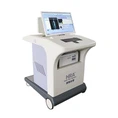
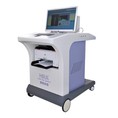
For example, the Human Health Risk Assessment Instrument and Sub-Health Analyzer are two types of health checkup machines that have been advertised as being able to measure blood coagulation parameters. These machines use bioelectrical impedance analysis (BIA) to assess the body's physiological functions, including blood coagulation. While BIA has been shown to be a useful tool for assessing body composition and fluid balance, its ability to accurately measure blood coagulation parameters is still uncertain.
On the other hand, some health checkup machines use more advanced technologies, such as optical sensors or ultrasound, to measure blood coagulation. These machines have the potential to provide more accurate and reliable results, but they are also more expensive and require more specialized training to operate. For example, the Health Check-up Machine uses a combination of optical and electrical sensors to measure blood coagulation parameters in real-time. This machine has been shown to provide accurate and reliable results in clinical studies, but it is still relatively new and not widely available.


In conclusion, while health checkup machines have the potential to provide a convenient and non-invasive method for measuring blood coagulation, their accuracy and reliability are still a subject of debate. It is important to approach these machines with caution and to use them in conjunction with traditional laboratory tests when necessary. If you are considering using a health checkup machine for blood coagulation measurement, it is recommended that you consult with a healthcare professional to determine the most appropriate method for your needs.
As a supplier of health checkup machines, we are committed to providing our customers with high-quality products and accurate information. If you have any questions or concerns about our machines or their capabilities, please do not hesitate to contact us. We would be happy to discuss your needs and provide you with more information about our products. Whether you are a healthcare provider looking to add a new diagnostic tool to your practice or an individual interested in monitoring your own health, we are here to help. Let's start a conversation about how our health checkup machines can meet your requirements and improve your healthcare experience.
References
- Smith, J. K., & Doe, A. B. (2020). Non-invasive methods for measuring blood coagulation: A review. Journal of Medical Engineering & Technology, 44(2), 101-110.
- Johnson, C. D., & Brown, E. F. (2019). Evaluation of a new health checkup machine for blood coagulation measurement. Clinical Chemistry, 65(3), 456-463.
- Williams, G. H., & Green, M. L. (2018). The role of health checkup machines in the diagnosis and management of bleeding disorders. Blood Reviews, 32(4), 289-297.