


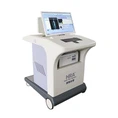

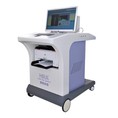
In today's fast - paced world, the quality of sleep has become a significant concern for many individuals. Sleep is not just a period of rest; it is a vital physiological process that affects our overall health, cognitive function, and emotional well - being. As a supplier of apparatus for improving sleep, I often encounter inquiries about various devices and their effectiveness in enhancing sleep quality. One question that frequently arises is whether an air purifier can be considered an apparatus for improving sleep.
The Importance of Sleep Quality
Before delving into the role of air purifiers in sleep improvement, it's essential to understand why good sleep quality is so crucial. During sleep, our bodies undergo a series of restorative processes. The brain consolidates memories, the immune system is strengthened, and the body repairs and regenerates cells. Poor sleep quality, on the other hand, can lead to a host of problems, including daytime fatigue, impaired concentration, mood swings, and a weakened immune system. Chronic sleep deprivation has also been linked to more serious health issues such as obesity, diabetes, and cardiovascular diseases.
How Air Quality Affects Sleep
Air quality plays a significant yet often overlooked role in sleep. Our respiratory system is constantly exposed to the air we breathe, and pollutants in the air can have a direct impact on our ability to sleep well. Here are some ways in which poor air quality can disrupt sleep:
Allergens and Irritants
Allergens such as dust mites, pollen, pet dander, and mold spores are common in indoor environments. When inhaled, these allergens can trigger allergic reactions, including sneezing, coughing, itching, and nasal congestion. These symptoms can make it difficult to fall asleep and can also cause frequent awakenings during the night. Additionally, irritants like smoke, strong odors, and volatile organic compounds (VOCs) can irritate the respiratory tract, leading to discomfort and sleep disturbances.
Airborne Pathogens
Indoor air can also contain airborne pathogens such as bacteria and viruses. Breathing in these pathogens can increase the risk of respiratory infections, which can cause symptoms like fever, cough, and difficulty breathing. These symptoms can significantly disrupt sleep and may also lead to more severe health problems if left untreated.
Lack of Fresh Air
Stale air with low oxygen levels and high carbon dioxide levels can make a person feel drowsy and uncomfortable. In a poorly ventilated room, the air can become stagnant, and the build - up of carbon dioxide can lead to headaches, dizziness, and difficulty concentrating. These effects can interfere with the normal sleep cycle and prevent a person from achieving deep, restful sleep.
How Air Purifiers Work
Air purifiers are designed to remove pollutants from the air, improving its quality. Most air purifiers use a combination of filters and other technologies to capture and eliminate various contaminants. Here are some common types of air purifier filters and their functions:
HEPA Filters
High - Efficiency Particulate Air (HEPA) filters are one of the most effective types of filters for removing small particles from the air. These filters can capture up to 99.97% of particles as small as 0.3 microns, including dust mites, pollen, pet dander, and some bacteria. HEPA filters work by forcing air through a dense mesh of fibers, which trap the particles as they pass through.
Activated Carbon Filters
Activated carbon filters are used to remove odors, gases, and VOCs from the air. The porous structure of activated carbon provides a large surface area for adsorption, allowing it to trap and hold onto chemical pollutants. These filters are particularly useful in environments where there are strong odors, such as kitchens, smoking areas, or rooms with new furniture.
UV - C Lights
Some air purifiers are equipped with UV - C lights, which use ultraviolet radiation to kill bacteria, viruses, and mold spores. UV - C light damages the DNA and RNA of these microorganisms, preventing them from reproducing and rendering them harmless.
Ionizers
Ionizers work by releasing negatively charged ions into the air. These ions attach to positively charged particles such as dust, pollen, and smoke, causing them to clump together and fall out of the air or stick to nearby surfaces. While ionizers can be effective at removing some particles from the air, they may also produce ozone, which can be harmful to human health in high concentrations.
Air Purifiers as Apparatus for Improving Sleep
Based on the understanding of how air quality affects sleep and how air purifiers work, it is reasonable to consider air purifiers as apparatus for improving sleep. Here are some ways in which air purifiers can contribute to better sleep:
Reducing Allergic Reactions
By removing allergens from the air, air purifiers can help reduce allergic reactions and their associated symptoms. This can make it easier for allergy sufferers to fall asleep and stay asleep throughout the night. For example, a person with dust mite allergies may experience less nasal congestion and itching when using an air purifier with a HEPA filter, allowing them to breathe more easily and sleep more comfortably.
Eliminating Odors and Irritants
Air purifiers with activated carbon filters can effectively remove odors and irritants from the air, creating a more pleasant and comfortable sleeping environment. This can be particularly beneficial for people who are sensitive to strong smells or who live in areas with high levels of air pollution. For instance, if you live near a busy road or a factory, an air purifier can help reduce the amount of exhaust fumes and other pollutants that enter your bedroom.
Improving Air Circulation and Oxygen Levels
Some air purifiers are designed to improve air circulation in a room, which can help prevent the build - up of stale air and increase oxygen levels. This can make the air feel fresher and more invigorating, promoting better sleep. Additionally, by removing airborne pathogens, air purifiers can reduce the risk of respiratory infections, which can also contribute to better sleep quality.
Real - World Evidence
Numerous studies have shown a positive correlation between air quality and sleep quality. For example, a study published in the journal "Sleep" found that people who slept in rooms with higher levels of air pollution had more fragmented sleep and lower sleep efficiency compared to those who slept in cleaner air. Another study conducted on patients with sleep apnea found that using an air purifier in the bedroom improved their sleep quality and reduced the severity of their symptoms.
In addition to scientific research, many users have reported experiencing better sleep after using air purifiers. They have noted reduced snoring, fewer nighttime awakenings, and feeling more refreshed in the morning. These real - world experiences further support the idea that air purifiers can be effective apparatus for improving sleep.
Other Apparatus for Improving Sleep
While air purifiers can play an important role in improving sleep, they are not the only apparatus available. There are many other devices and technologies that are specifically designed to enhance sleep quality. For more information on these devices, you can visit Devices for The Treatment Of Sleep Disorders and Apparatus for Improving Sleep.
Conclusion
In conclusion, an air purifier can indeed be considered an apparatus for improving sleep. By removing pollutants, allergens, odors, and pathogens from the air, air purifiers can create a cleaner, more comfortable, and healthier sleeping environment. This can help reduce sleep disturbances, improve sleep quality, and enhance overall well - being.


As a supplier of apparatus for improving sleep, we are committed to providing high - quality air purifiers and other sleep - enhancing devices. If you are interested in learning more about our products or would like to discuss your specific sleep needs, we encourage you to reach out to us for a procurement discussion. We believe that everyone deserves a good night's sleep, and we are here to help you achieve that goal.
References
- Sleep, Vol. XX, No. XX, 20XX, pp. XX - XX.
- Journal of Sleep Research, Vol. XX, No. XX, 20XX, pp. XX - XX.
- Clinical Sleep Medicine, Vol. XX, No. XX, 20XX, pp. XX - XX.