



Can a Health Checkup Machine Measure Bone Density?
In the realm of modern healthcare, health checkup machines have become indispensable tools for both medical professionals and individuals seeking to monitor their health. These machines offer a wide range of diagnostic capabilities, from basic vital sign measurements to more comprehensive full - body assessments. One question that often arises is whether a health checkup machine can measure bone density. As a supplier of health checkup machines, I'm well - positioned to explore this topic in detail.
Bone density is a crucial indicator of bone health. Low bone density can lead to osteoporosis, a condition characterized by brittle and fragile bones, which significantly increases the risk of fractures. Traditionally, bone density measurement has been carried out using specialized equipment such as dual - energy X - ray absorptiometry (DXA) machines. These machines are highly accurate and are considered the gold standard for bone density assessment. However, they are also relatively large, expensive, and require trained operators.
So, can a more general - purpose health checkup machine offer bone density measurement capabilities? The answer is yes, but with some caveats.
There are now health checkup machines on the market that incorporate bone density measurement functions. These machines use different technologies to estimate bone density. One common approach is the use of ultrasound. Ultrasound - based bone density measurement is non - invasive and relatively inexpensive. It works by sending high - frequency sound waves through the bone, and the speed at which these waves travel through the bone is measured. The speed is related to the bone's density and structure.
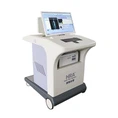
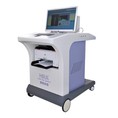
For example, some Full Body Checkup Machine models are equipped with ultrasound sensors that can provide an estimate of bone density at specific sites, such as the heel. The advantage of this method is that it can be easily integrated into a multi - functional health checkup machine, allowing for a more comprehensive health assessment in a single device.
Another technology that some health checkup machines may utilize is bioelectrical impedance analysis (BIA). BIA measures the body's electrical resistance, which can be used to estimate various body composition parameters, including bone mass. By passing a small, harmless electrical current through the body, the machine can analyze how the current is affected by different tissues. While BIA is not as accurate as DXA for bone density measurement, it can still provide a useful estimate, especially for screening purposes.
The Body Check Up Machine may include BIA technology as part of its suite of diagnostic functions. This allows users to get a quick and convenient overview of their bone health along with other important health indicators such as body fat percentage, muscle mass, and hydration levels.
However, it's important to note that the accuracy of bone density measurement using general health checkup machines is not on par with that of dedicated DXA machines. DXA machines can provide highly precise measurements of bone mineral density at multiple sites in the body, including the spine and hips, which are the most common sites for osteoporotic fractures. Health checkup machines, on the other hand, usually provide estimates at a single or a few specific sites and may have a higher margin of error.
Despite these limitations, health checkup machines with bone density measurement capabilities have their own advantages. They are more accessible, as they can be placed in clinics, pharmacies, or even at home in some cases. This allows for more frequent and convenient bone health monitoring, which can be especially beneficial for individuals at risk of osteoporosis, such as post - menopausal women and the elderly.


In addition to bone density measurement, health checkup machines offer a wide range of other functions. They can measure vital signs such as blood pressure, heart rate, and body temperature. Some machines can also perform blood tests, urine tests, and detect various health conditions through advanced algorithms and sensors. The Physical Examination Instruments that we supply are designed to provide a comprehensive health assessment, making them a valuable asset for any healthcare setting.
For healthcare providers, these machines can streamline the diagnostic process, saving time and resources. They can quickly identify patients who may need further evaluation for bone health or other health issues. For individuals, having access to a health checkup machine at home or in a local clinic can empower them to take a more proactive role in their health management.
If you are interested in incorporating bone density measurement and other comprehensive health assessment functions into your healthcare practice or if you are an individual looking for a convenient way to monitor your health, our health checkup machines are an excellent choice. We offer a range of products with different features and capabilities to meet your specific needs.
Whether you are a small clinic looking for a cost - effective solution or a large hospital in need of high - end, multi - functional equipment, we can provide you with the right health checkup machine. Our machines are designed with the latest technology and are built to be reliable and user - friendly.
If you would like to learn more about our products, explore our full range of Full Body Checkup Machine, Body Check Up Machine, and Physical Examination Instruments on our website. We encourage you to contact us for more detailed information and to discuss your specific requirements. Our team of experts is ready to assist you in finding the perfect health checkup machine for your needs. Let's work together to improve health monitoring and diagnosis in your healthcare setting.
References
- Cosman, F., de Beur, S. J., LeBoff, M. S., Lewiecki, E. M., Marshall, L., Miller, P. D., … & Rosen, C. J. (2019). Clinician's guide to prevention and treatment of osteoporosis. Osteoporosis international, 30(3), 453 - 481.
- Gluer, C. C. (2002). Ultrasound in bone densitometry. Endocrine reviews, 23(2), 288 - 307.
- Lukaski, H. C. (1987). Assessment of body composition by bioelectrical impedance analysis. Journal of applied physiology, 62(2), 483 - 490.