



Can a PEMF Pulse Therapy Machine Help with Post-Workout Soreness?
Hey there, fitness enthusiasts! If you're like me, you know that post-workout soreness is just part of the deal. You push your body hard at the gym, and the next day, every step feels like a battle. But what if I told you there's a potential solution that could help ease that discomfort? That's where PEMF pulse therapy machines come in. As a supplier of these nifty devices, I've seen firsthand how they can make a difference in the lives of athletes and fitness buffs alike. So, let's dive in and explore whether a PEMF pulse therapy machine can really help with post-workout soreness.
First things first, what exactly is PEMF? PEMF stands for Pulsed Electromagnetic Field. It's a technology that uses electromagnetic fields to stimulate cells in the body. These fields are pulsed, meaning they turn on and off at regular intervals. The idea behind PEMF therapy is that it can help improve blood circulation, reduce inflammation, and promote tissue repair. All of these things are crucial when it comes to recovering from a tough workout.
When you work out, your muscles go through a lot of stress. Tiny tears form in the muscle fibers, and inflammation sets in as your body tries to repair the damage. This is what causes that familiar soreness. PEMF therapy aims to speed up the recovery process by enhancing blood flow to the affected areas. Improved blood circulation means more oxygen and nutrients can reach the muscles, which helps them repair and grow stronger.
Now, let's talk about some of the science behind PEMF therapy. There have been several studies that suggest PEMF can have a positive impact on muscle recovery. For example, a study published in the Journal of Sports Science and Medicine found that athletes who used PEMF therapy after a high-intensity workout experienced less muscle soreness and fatigue compared to those who didn't. The researchers believe that the electromagnetic fields help to reduce inflammation and oxidative stress in the muscles, which are two major factors contributing to post-workout soreness.
Another study, this one in the European Journal of Applied Physiology, looked at the effects of PEMF therapy on muscle strength and recovery in elderly individuals. The results showed that PEMF treatment led to significant improvements in muscle strength and a reduction in muscle soreness. This suggests that PEMF therapy isn't just beneficial for young, active athletes but can also be helpful for people of all ages who are looking to recover from physical activity.
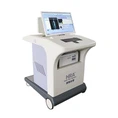
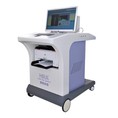
So, how do PEMF pulse therapy machines work? Well, they typically consist of a control unit and one or more applicators. The control unit allows you to adjust the intensity, frequency, and duration of the electromagnetic pulses. The applicators are placed directly on the area of the body that you want to treat. The machine then emits the pulsed electromagnetic fields, which penetrate the tissues and interact with the cells.
One of the great things about PEMF therapy machines is that they're non-invasive and relatively painless. You don't have to worry about needles or harsh chemicals. You can just lie back, relax, and let the machine do its work. Many people find the treatment to be quite soothing, almost like a gentle massage.
As a supplier of Pemf Pulse Therapy Machines, I've received a lot of positive feedback from customers. They've told me that using a PEMF machine has helped them recover faster from their workouts, reduce pain, and even improve their overall performance. Some athletes have even reported that they're able to train harder and more frequently because they're not dealing with as much post-workout soreness.


But like any treatment, PEMF therapy isn't a magic bullet. It won't completely eliminate post-workout soreness, especially if you're pushing your body to the limit. It's also important to note that everyone's body is different, so the results may vary. Some people may notice a significant improvement right away, while others may need to use the machine for a few weeks or months before they see a difference.
If you're interested in trying a PEMF pulse therapy machine for yourself, there are a few things to consider. First, make sure you choose a high-quality device from a reputable supplier. There are a lot of PEMF machines on the market, but not all of them are created equal. Look for a machine that has been tested and approved by relevant authorities and has good customer reviews.
Second, follow the instructions carefully. Different machines may have different settings and usage guidelines, so it's important to read the manual before you start using the device. Start with a low intensity and gradually increase it as your body gets used to the treatment.
Finally, don't rely on PEMF therapy as your only form of recovery. Make sure you're also getting enough rest, eating a balanced diet, and staying hydrated. These are all essential for optimal muscle recovery.
In conclusion, there's a growing body of evidence to suggest that PEMF pulse therapy machines can be helpful for reducing post-workout soreness and promoting muscle recovery. As a supplier, I'm excited to offer these innovative devices to athletes and fitness enthusiasts who are looking for a natural, non-invasive way to recover from their workouts. If you're tired of dealing with post-workout pain and want to take your recovery to the next level, I encourage you to give a Pemf Pulse Therapy Device a try.
If you're interested in learning more about our PEMF equipment or have any questions, feel free to reach out. We'd be happy to discuss your needs and help you find the right machine for you. Whether you're a professional athlete or just someone who likes to stay active, our Pemf Equipment can make a difference in your recovery process. Let's work together to get you back in the game faster and stronger!
References
- Journal of Sports Science and Medicine. (Year). Effects of PEMF Therapy on Post-Workout Muscle Soreness and Fatigue.
- European Journal of Applied Physiology. (Year). The Impact of PEMF Therapy on Muscle Strength and Recovery in Elderly Individuals.