


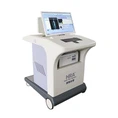

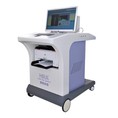
In the realm of modern healthcare, the demand for comprehensive and efficient health checkup machines has been on the rise. As a leading supplier of health checkup machines, I often encounter inquiries about the capabilities of these devices, especially regarding their ability to measure oxygen saturation. In this blog post, I will delve into the science behind oxygen saturation measurement, explore whether health checkup machines can perform this function, and highlight the benefits of incorporating such a feature into these devices.
Understanding Oxygen Saturation
Oxygen saturation, commonly referred to as SpO2, is a measure of the percentage of hemoglobin in the blood that is saturated with oxygen. Hemoglobin is a protein in red blood cells that binds to oxygen in the lungs and transports it to the body's tissues. A normal oxygen saturation level typically ranges from 95% to 100% in healthy individuals breathing room air at sea level. Levels below 90% are considered low and may indicate a potential health issue, such as respiratory or cardiovascular problems.
Measuring oxygen saturation is crucial for assessing a person's respiratory function and overall health. It can help detect early signs of hypoxia (low oxygen levels in the body), monitor the effectiveness of oxygen therapy, and evaluate the severity of certain medical conditions. Traditional methods of measuring oxygen saturation involve using a pulse oximeter, a small, non-invasive device that clips onto a finger or earlobe. The pulse oximeter emits light through the tissue and measures the absorption of light by oxygenated and deoxygenated hemoglobin to calculate the oxygen saturation level.


Can a Health Checkup Machine Measure Oxygen Saturation?
The answer to this question depends on the type and capabilities of the health checkup machine. In recent years, many advanced health checkup machines have been equipped with the ability to measure oxygen saturation, along with other vital signs such as heart rate, blood pressure, and body temperature. These machines often integrate multiple sensors and technologies to provide a comprehensive assessment of a person's health in a single session.
One type of health checkup machine that can measure oxygen saturation is the Health Risk Assessment Device. This device uses a combination of bioelectrical impedance analysis, infrared spectroscopy, and other advanced technologies to evaluate various aspects of a person's health, including oxygen saturation. By analyzing the electrical properties of the body's tissues and the absorption of infrared light by hemoglobin, the device can accurately measure oxygen saturation levels and provide real-time feedback to the user.
Another example is the Body Check Up Machine, which is designed to perform a comprehensive physical examination in a short period. This machine typically includes a pulse oximeter sensor as part of its sensor suite, allowing it to measure oxygen saturation along with other vital signs. The results are then displayed on a screen or printed out for the user's reference.
In addition to these specialized health checkup machines, some multi-functional medical devices, such as Disease Diagnosis Equipment, also have the capability to measure oxygen saturation. These devices are often used in clinical settings and can provide more detailed and accurate information about a person's health status.
Benefits of Measuring Oxygen Saturation with a Health Checkup Machine
There are several benefits to incorporating oxygen saturation measurement into a health checkup machine. Firstly, it provides a more comprehensive assessment of a person's health. By measuring oxygen saturation along with other vital signs, healthcare providers can gain a better understanding of a person's respiratory and cardiovascular function and identify potential health issues at an early stage.
Secondly, it offers convenience and efficiency. Instead of using multiple devices to measure different vital signs, a single health checkup machine can perform all the necessary measurements in one session, saving time and effort for both the user and the healthcare provider.
Thirdly, it can improve patient compliance. Many people are reluctant to undergo regular health checkups due to the inconvenience and discomfort associated with traditional methods of measurement. By using a non-invasive and user-friendly health checkup machine, the process becomes more comfortable and less intimidating, increasing the likelihood that people will participate in regular health screenings.
Finally, it can enhance the accuracy and reliability of the measurement. Advanced health checkup machines are often equipped with high-quality sensors and algorithms that can provide more accurate and consistent results compared to traditional methods. This can help healthcare providers make more informed decisions about a person's health and treatment.
Conclusion
In conclusion, many modern health checkup machines are capable of measuring oxygen saturation, providing a convenient and comprehensive way to assess a person's health. As a supplier of health checkup machines, I am committed to providing high-quality devices that incorporate the latest technologies and features to meet the needs of our customers. If you are interested in purchasing a health checkup machine that can measure oxygen saturation or have any other questions about our products, please feel free to contact us for more information. We look forward to discussing your requirements and helping you find the right solution for your healthcare needs.
References
- American Thoracic Society. (2019). Diagnosis and Management of Pulmonary Hypertension. Retrieved from https://www.thoracic.org/
- National Heart, Lung, and Blood Institute. (2021). What Is Oxygen Saturation? Retrieved from https://www.nhlbi.nih.gov/
- World Health Organization. (2020). Guidelines on Oxygen Therapy in Adults. Retrieved from https://www.who.int/