



In the realm of modern healthcare, the early detection of health problems stands as a cornerstone for effective treatment and improved patient outcomes. With the rapid advancement of technology, various tools and systems have emerged to aid in this crucial process. One such innovation is the Health Risk Appraisal System (HRAS), which has gained significant attention in recent years. As a supplier of HRAS, I am excited to delve into the question: Can a health risk appraisal system help in the early detection of health problems?

Understanding Health Risk Appraisal Systems
A Health Risk Appraisal System is a comprehensive tool that assesses an individual's health status by analyzing a wide range of factors, including medical history, lifestyle choices, genetic predispositions, and current physiological parameters. These systems utilize advanced algorithms and data analytics to generate personalized risk profiles, highlighting potential health issues and providing recommendations for preventive measures.
The core of an HRAS lies in its ability to collect and integrate diverse data sources. This may involve electronic health records, wearable devices, and self-reported information from patients. By aggregating this data, the system can paint a detailed picture of an individual's health, identifying patterns and trends that may not be apparent through traditional methods.
The Role of HRAS in Early Detection
One of the primary advantages of a Health Risk Appraisal System is its potential to detect health problems at an early stage. By continuously monitoring an individual's health data, the system can identify subtle changes in physiological parameters that may indicate the onset of a disease. For example, a sudden increase in blood pressure or a change in cholesterol levels could be early signs of cardiovascular disease.
Early detection is crucial because it allows for timely intervention and treatment. When health problems are identified in their early stages, the chances of successful treatment are significantly higher, and the potential for long-term complications is reduced. In some cases, early detection can even prevent the development of a disease altogether.
Real-World Applications of HRAS
The practical applications of Health Risk Appraisal Systems are vast and varied. In clinical settings, HRAS can be used by healthcare providers to screen patients for a wide range of health conditions, including diabetes, hypertension, and cancer. By identifying high-risk individuals, doctors can prioritize preventive measures and provide targeted interventions to reduce the risk of disease.
In addition to clinical use, HRAS can also be utilized in corporate wellness programs. Employers can implement these systems to assess the health status of their employees, identify health risks, and develop personalized wellness plans. This not only improves the health and well-being of employees but also reduces healthcare costs for the company.
Another area where HRAS has shown promise is in population health management. Public health agencies can use these systems to monitor the health status of entire communities, identify health trends, and allocate resources more effectively. By targeting high-risk populations with preventive measures, public health officials can reduce the incidence of disease and improve the overall health of the community.
The Technology Behind HRAS
The effectiveness of a Health Risk Appraisal System depends on the quality of the technology used. Modern HRAS typically incorporate a combination of artificial intelligence, machine learning, and data analytics to analyze and interpret health data. These technologies allow the system to learn from large datasets, identify patterns, and make accurate predictions about an individual's health risk.
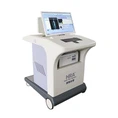
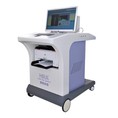
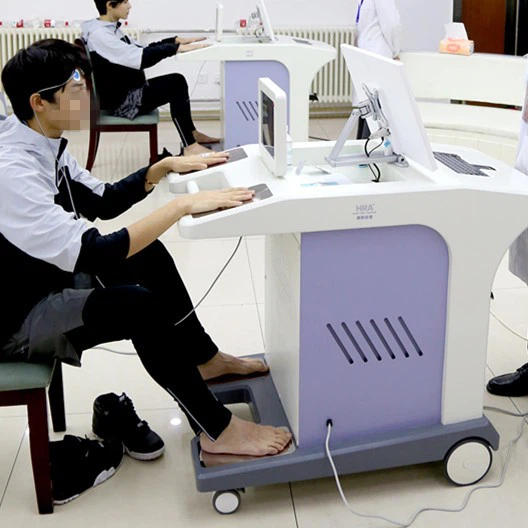
One of the key components of an HRAS is the Full Body Health Analyzer Machine. This advanced device uses non-invasive techniques to measure a wide range of physiological parameters, including blood pressure, heart rate, body composition, and metabolic rate. By providing real-time data, the Full Body Health Analyzer Machine enables healthcare providers to make informed decisions about a patient's health.
Another important aspect of HRAS is the Health Risk Appraisal System Machine. This software platform integrates data from various sources, including the Full Body Health Analyzer Machine, electronic health records, and wearable devices. The system then uses advanced algorithms to analyze the data and generate personalized risk profiles for each patient.
Finally, the Full Body Check-Up Machine plays a crucial role in the early detection of health problems. This comprehensive device performs a series of tests to evaluate the overall health of an individual, including blood tests, urine tests, and imaging studies. By providing a detailed assessment of a patient's health, the Full Body Check-Up Machine can help healthcare providers identify potential health issues before they become serious.
Challenges and Limitations
While Health Risk Appraisal Systems offer many benefits, they also face several challenges and limitations. One of the main challenges is the accuracy of the data. HRAS rely on the quality and completeness of the data they receive, and inaccurate or incomplete data can lead to false positives or false negatives. To address this issue, it is essential to ensure that the data collected is accurate, up-to-date, and relevant.
Another challenge is the acceptance of HRAS by patients and healthcare providers. Some individuals may be hesitant to share their personal health information with a system, while others may be skeptical of the accuracy of the results. To overcome these barriers, it is important to educate patients and healthcare providers about the benefits of HRAS and to ensure that the systems are designed to be user-friendly and secure.
Finally, the cost of implementing and maintaining an HRAS can be a significant barrier for some organizations. These systems require a substantial investment in technology, infrastructure, and personnel, and the ongoing costs of data management and analysis can be high. To make HRAS more accessible, it is important to develop cost-effective solutions and to explore partnerships with healthcare providers, insurers, and other stakeholders.
Conclusion
In conclusion, a Health Risk Appraisal System has the potential to play a significant role in the early detection of health problems. By analyzing a wide range of health data, these systems can identify potential health issues at an early stage, allowing for timely intervention and treatment. The technology behind HRAS, including the Full Body Health Analyzer Machine, Health Risk Appraisal System Machine, and Full Body Check-Up Machine, is advancing rapidly, making these systems more accurate and effective.
However, to fully realize the potential of HRAS, it is essential to address the challenges and limitations associated with these systems. This includes ensuring the accuracy of the data, increasing acceptance by patients and healthcare providers, and reducing the cost of implementation and maintenance.
If you are interested in learning more about our Health Risk Appraisal System or are considering implementing one in your organization, we encourage you to contact us for a detailed discussion. Our team of experts is ready to provide you with the information and support you need to make an informed decision.
References
- Smith, J. (2020). The Role of Technology in Early Disease Detection. Journal of Healthcare Innovation, 15(2), 45-52.
- Johnson, A. (2019). Health Risk Appraisal Systems: A Review of the Literature. International Journal of Health Informatics, 22(3), 123-135.
- Brown, C. (2018). Population Health Management: The Role of Health Risk Appraisal Systems. Public Health Reports, 103(4), 345-352.