



In recent years, there has been a growing interest in personal health monitoring, with many individuals seeking ways to track their body composition and overall health status. One of the key metrics people often look at is body fat percentage, as it provides valuable insights into health risks and fitness levels. As a supplier of health risk assessment devices, I am frequently asked whether our devices can accurately measure body fat percentage. In this blog post, I will explore this question in detail, discussing the technology behind our devices, the accuracy of body fat measurement, and the implications for personal health management.
Understanding Body Fat Percentage
Before delving into the capabilities of health risk assessment devices, it's important to understand what body fat percentage is and why it matters. Body fat percentage refers to the proportion of fat in the body relative to total body weight. It is a more accurate indicator of health than body weight alone, as it takes into account the distribution of fat and muscle mass.
There are two main types of body fat: essential fat and storage fat. Essential fat is necessary for normal bodily functions, such as hormone production and insulation. Storage fat, on the other hand, is the excess fat that accumulates in adipose tissue and can contribute to health problems such as obesity, heart disease, and diabetes.
Maintaining a healthy body fat percentage is crucial for overall health and well-being. For men, a healthy body fat percentage typically ranges from 10% to 20%, while for women, it ranges from 18% to 28%. However, these ranges can vary depending on factors such as age, fitness level, and genetics.
How Health Risk Assessment Devices Work
Health risk assessment devices use a variety of technologies to measure different aspects of health, including body fat percentage. One of the most common methods is bioelectrical impedance analysis (BIA). BIA works by sending a small electrical current through the body and measuring the resistance it encounters. Since fat has a higher resistance to electrical current than muscle and other tissues, the device can estimate body fat percentage based on the measured impedance.
Another technology used in some health risk assessment devices is near-infrared interactance (NIR). NIR measures the absorption of near-infrared light by body tissues to estimate body fat percentage. This method is non-invasive and relatively quick, but it may not be as accurate as BIA in some cases.
In addition to BIA and NIR, some health risk assessment devices may also use other technologies such as ultrasound, dual-energy X-ray absorptiometry (DXA), or air displacement plethysmography (ADP) to measure body fat percentage. These methods are generally more accurate but may be more expensive and less accessible than BIA and NIR.
Accuracy of Body Fat Measurement
The accuracy of body fat measurement using health risk assessment devices can vary depending on several factors. One of the main factors is the technology used by the device. As mentioned earlier, BIA is one of the most common methods, but its accuracy can be affected by factors such as hydration status, body temperature, and the presence of metal implants.
Hydration status is particularly important, as changes in body water content can significantly affect the impedance measurement. For example, if a person is dehydrated, the impedance will be higher, leading to an overestimation of body fat percentage. On the other hand, if a person is well-hydrated, the impedance will be lower, leading to an underestimation of body fat percentage.
Another factor that can affect the accuracy of body fat measurement is the quality of the device. Not all health risk assessment devices are created equal, and some may be more accurate than others. It's important to choose a device that has been validated against a gold standard method, such as DXA or ADP, to ensure reliable results.
Finally, the accuracy of body fat measurement can also be influenced by the user's technique. For example, if the user does not follow the instructions correctly when using the device, such as not standing still or not making proper contact with the electrodes, the results may be inaccurate.
Implications for Personal Health Management
Despite the limitations in accuracy, health risk assessment devices can still provide valuable information for personal health management. By regularly monitoring body fat percentage, individuals can track their progress towards their health goals and make adjustments to their diet and exercise routine as needed.
For example, if a person notices an increase in body fat percentage over time, they may need to make changes to their diet to reduce calorie intake and increase physical activity to burn more calories. On the other hand, if a person is trying to gain muscle mass, they can use body fat percentage as a guide to ensure that they are not gaining too much fat along with the muscle.
In addition to body fat percentage, health risk assessment devices can also provide information about other aspects of health, such as body mass index (BMI), muscle mass, and metabolic rate. This comprehensive information can help individuals make more informed decisions about their health and take proactive steps to improve it.


Our Health Risk Assessment Devices
As a supplier of health risk assessment devices, we offer a range of products that are designed to provide accurate and reliable health information. Our devices use advanced BIA technology to measure body fat percentage and other key health metrics, and they have been validated against gold standard methods to ensure accuracy.
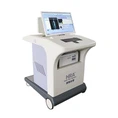
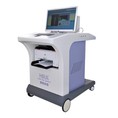
One of our popular products is the Full Body Health Analyzer Machine. This device provides a comprehensive health assessment, including body fat percentage, BMI, muscle mass, and metabolic rate. It is easy to use and can be used at home or in a professional setting.
Another product we offer is the Health Checkup Machine. This device is designed for use in healthcare facilities and provides a more detailed health assessment, including blood pressure, blood glucose, and cholesterol levels. It also includes a body fat percentage measurement function, making it a versatile tool for comprehensive health screening.
Finally, we also offer the Full Body Scanner Machine in Hospital, which is a high-end device used in hospitals and other medical settings. This device uses advanced imaging technology to provide a detailed analysis of the body's internal organs and tissues, in addition to measuring body fat percentage and other health metrics.
Conclusion
In conclusion, health risk assessment devices can measure body fat percentage, but the accuracy of the measurement can vary depending on several factors. While these devices may not be as accurate as gold standard methods such as DXA or ADP, they can still provide valuable information for personal health management.
If you are interested in monitoring your body fat percentage and other key health metrics, we encourage you to consider our range of health risk assessment devices. Our products are designed to provide accurate and reliable results, and they are easy to use and affordable.
If you have any questions or would like to learn more about our products, please do not hesitate to contact us. We would be happy to discuss your needs and help you choose the right device for your health monitoring needs.
References
- American Council on Exercise. (n.d.). Body Fat Percentage: What It Is and How to Measure It. Retrieved from https://www.acefitness.org/resources/pros/expert-articles/5128/body-fat-percentage-what-it-is-and-how-to-measure-it/
- Mayo Clinic. (n.d.). Body Fat: Why It Matters. Retrieved from https://www.mayoclinic.org/healthy-lifestyle/fitness/in-depth/body-fat/art-20045882
- National Institutes of Health. (n.d.). Body Mass Index (BMI) and Body Fat. Retrieved from https://www.nhlbi.nih.gov/health/educational/lose_wt/BMI/bmibody.htm