


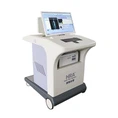

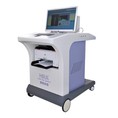
Gout is a common and complex form of arthritis that can affect anyone. Characterized by sudden, severe attacks of pain, swelling, redness, and tenderness in the joints, often the big toe, gout is caused by the buildup of uric acid crystals in the joints. As a supplier of microcirculation therapy devices, a question that frequently arises is whether our Microcirculation Therapy Device can be used for gout. In this blog, we'll delve into the science behind gout, the role of microcirculation, and how our device might play a part in gout management.
Understanding Gout
To understand how a microcirculation therapy device might impact gout, we first need to grasp the fundamentals of the condition. Gout occurs when there's an excess of uric acid in the blood, a condition known as hyperuricemia. Uric acid is a waste product formed when the body breaks down purines, substances found in certain foods and also produced naturally by the body.
Normally, the kidneys filter uric acid from the blood and excrete it through urine. However, in some individuals, the body either produces too much uric acid or the kidneys can't remove it efficiently. This leads to the accumulation of uric acid crystals in the joints, triggering an immune response that causes inflammation and the characteristic pain and swelling of a gout attack.
The Importance of Microcirculation
Microcirculation refers to the circulation of blood in the smallest blood vessels in the body, including arterioles, capillaries, and venules. It plays a crucial role in the delivery of oxygen and nutrients to cells and the removal of waste products, such as carbon dioxide and metabolic by - products.
In the context of gout, proper microcirculation is essential for several reasons. First, it helps in the efficient removal of uric acid from the joints. When microcirculation is impaired, the clearance of uric acid can be hindered, leading to a higher likelihood of crystal formation. Second, good microcirculation is necessary for the normal functioning of the immune system. During a gout attack, the immune system rushes to the affected joint to deal with the uric acid crystals. If microcirculation is poor, immune cells may have difficulty reaching the site of inflammation in a timely manner, prolonging the attack and increasing pain.
How Microcirculation Therapy Devices Work
Our Microcirculation Therapy Device is designed to improve microcirculation through a variety of mechanisms. Some devices use low - level laser therapy, which emits light at specific wavelengths that can penetrate the skin and stimulate the cells in the blood vessels. This stimulation can cause the blood vessels to dilate, increasing blood flow and improving microcirculation.

Other devices may use electromagnetic fields or infrared radiation. Electromagnetic fields can interact with the charged particles in the blood, promoting better blood flow and reducing blood viscosity. Infrared radiation can warm the tissues, also leading to vasodilation and enhanced microcirculation.
Potential Benefits of Microcirculation Therapy for Gout
1. Enhanced Uric Acid Clearance
By improving microcirculation, our device may help increase the rate at which uric acid is removed from the joints. Better blood flow means more efficient transport of uric acid to the kidneys for excretion. This could potentially reduce the concentration of uric acid in the joints, lowering the risk of crystal formation and subsequent gout attacks.
2. Reduced Inflammation
Improved microcirculation can also have an anti - inflammatory effect. During a gout attack, inflammation is a major cause of pain and swelling. By delivering more oxygen and nutrients to the affected area and removing waste products more effectively, the device may help the body resolve the inflammation more quickly. Additionally, better microcirculation can support the normal functioning of immune cells, allowing them to clear the uric acid crystals more efficiently.

3. Pain Relief
Pain is one of the most debilitating symptoms of gout. The increased blood flow and reduced inflammation associated with improved microcirculation can lead to pain relief. The warmth generated by some of our devices can also have a soothing effect on the painful joints, providing additional comfort to the patient.
Scientific Evidence
While there is a growing body of research on the benefits of microcirculation therapy in general, specific studies on its use for gout are still relatively limited. However, some studies on related conditions provide indirect evidence of its potential effectiveness.
For example, research on peripheral artery disease, which is also characterized by impaired microcirculation, has shown that microcirculation therapy can improve blood flow, reduce pain, and enhance tissue healing. Since gout and peripheral artery disease share some similarities in terms of the importance of microcirculation, it is reasonable to hypothesize that similar benefits may be observed in gout patients.
Limitations and Considerations
It's important to note that a microcirculation therapy device is not a cure for gout. Gout management typically involves a combination of lifestyle changes, such as diet modification (limiting purine - rich foods), weight management, and medication to control uric acid levels.

Our device should be seen as a complementary therapy rather than a standalone treatment. It can potentially enhance the effects of other gout management strategies, but it cannot replace them. Additionally, individual responses to the device may vary. Some patients may experience significant improvement, while others may see only minor benefits.
Conclusion
In conclusion, while more research is needed to fully establish the efficacy of our Microcirculation Therapy Device for gout, there are promising theoretical reasons to believe that it can play a role in gout management. By improving microcirculation, the device may help enhance uric acid clearance, reduce inflammation, and provide pain relief.
If you're a healthcare provider looking for innovative solutions to help your gout patients or an individual suffering from gout interested in exploring complementary therapies, we invite you to learn more about our Microcirculation Disorder Device. We're committed to providing high - quality microcirculation therapy devices that are backed by scientific research.
If you're interested in discussing potential procurement or have any questions about our products, please don't hesitate to reach out. We're here to support you in finding the best solutions for gout management.

References
- Choi, H. K., & Curhan, G. (2007). Lifestyle factors and the risk of gout. Nature Clinical Practice Rheumatology, 3(12), 703 - 713.
- Falk, N., & Oberg, P. A. (2008). Assessment of microcirculation in humans. Physiological Reviews, 88(2), 639 - 677.
- Li, Y., & Zhang, X. (2019). The role of microcirculation in chronic diseases. Frontiers in Physiology, 10, 117.