



Can a microcirculation therapy device be used for gynecological problems?
As a supplier of microcirculation therapy devices, I often encounter inquiries from customers about the applicability of our products to various health issues, especially gynecological problems. In this blog post, I will delve into the scientific basis and potential benefits of using a Microcirculation Therapy Device for gynecological concerns, exploring how it can contribute to women's health.


Understanding Microcirculation and Its Importance
Microcirculation refers to the blood flow through the smallest blood vessels in the body, including arterioles, capillaries, and venules. It plays a crucial role in delivering oxygen, nutrients, and hormones to the cells and tissues while removing waste products and carbon dioxide. A healthy microcirculation is essential for maintaining normal physiological functions and overall well - being.
In the female reproductive system, proper microcirculation is vital for the normal development and function of the ovaries, uterus, and other reproductive organs. For example, it supports the growth and maturation of ovarian follicles, the thickening of the uterine lining during the menstrual cycle, and the nourishment of the fetus during pregnancy. Any disruption in microcirculation can lead to a variety of gynecological problems.
Common Gynecological Problems Related to Microcirculation Disorders
- Dysmenorrhea: Many women experience painful menstrual cramps, known as dysmenorrhea. One of the underlying causes can be poor microcirculation in the uterine muscles. When blood flow is restricted, it can lead to the accumulation of metabolic waste and the release of pain - causing substances, resulting in painful contractions.
- Irregular Menstrual Cycles: Disturbances in microcirculation can affect the hormonal regulation of the menstrual cycle. Insufficient blood supply to the ovaries or uterus may disrupt the normal secretion and action of hormones such as estrogen and progesterone, leading to irregular periods.
- Pelvic Inflammatory Disease (PID): PID is an infection of the female reproductive organs. Inflammation in the pelvic area can cause microcirculation barriers, reducing the delivery of immune cells and antibiotics to the infected tissues. This can make the treatment of PID more difficult and may lead to long - term complications.
- Ovarian Cyst: Abnormal microcirculation around the ovaries may contribute to the formation and growth of ovarian cysts. Poor blood flow can create an environment that is conducive to the development of cysts, as it may affect the normal metabolism and repair mechanisms in the ovarian tissue.
How Microcirculation Therapy Devices Work
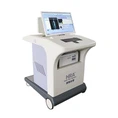
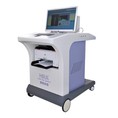
Our Microcirculation Therapy Device is designed to improve microcirculation through various physical mechanisms. These devices typically use technologies such as low - frequency electromagnetic fields, infrared light, or ultrasonic waves.
- Low - Frequency Electromagnetic Fields: These fields can stimulate the movement of ions in the blood vessels, which helps to dilate the blood vessels and improve blood flow. By increasing the diameter of the micro - blood vessels, more oxygen and nutrients can be delivered to the tissues, and waste products can be removed more efficiently.
- Infrared Light: Infrared light has a warming effect on the body tissues. When applied to the pelvic or abdominal area, it can increase local blood circulation, reduce inflammation, and relieve pain. Infrared light can also promote the production of heat - shock proteins, which have a protective effect on the cells.
- Ultrasonic Waves: Ultrasonic waves can generate mechanical vibrations in the tissues. These vibrations can enhance the contractility of blood vessels, improve blood rheology, and increase the permeability of cell membranes. As a result, the exchange of substances between the blood and the tissues is improved.
The Potential Benefits of Using Microcirculation Therapy Devices for Gynecological Problems
- Relieve Dysmenorrhea: By improving microcirculation in the uterine muscles, the device can reduce the pain and discomfort associated with dysmenorrhea. The increased blood flow helps to remove metabolic waste and reduce the spasm of uterine smooth muscles.
- Regulate Menstrual Cycles: Restoring normal microcirculation in the ovaries and uterus can help to balance the hormonal environment, leading to more regular menstrual cycles. Adequate blood supply is crucial for the normal function of the endocrine system in the female reproductive organs.
- Assist in the Treatment of PID: Improving microcirculation in the pelvic area can enhance the delivery of immune factors and antibiotics to the infected tissues, improving the effectiveness of the treatment. It can also reduce inflammation and promote tissue repair.
- Manage Ovarian Cysts: Although microcirculation therapy devices may not completely eliminate ovarian cysts, they can potentially slow down the growth of cysts by improving blood flow and metabolism in the ovarian tissue. This can help to relieve some of the symptoms associated with ovarian cysts.
Scientific Evidence and Research
Numerous studies have shown the positive effects of microcirculation improvement on various health conditions. Although there are fewer large - scale, randomized controlled trials specifically focused on the application of microcirculation therapy devices for gynecological problems, some pre - clinical and small - scale clinical studies have provided promising results.
For example, research on the use of infrared therapy in gynecology has demonstrated its ability to reduce pain and inflammation in patients with dysmenorrhea and PID. Studies on low - frequency electromagnetic field therapy have also shown improvements in blood flow and tissue oxygenation in the pelvic area.
Safety and Precautions
While microcirculation therapy devices are generally considered safe, it is important to follow the usage instructions carefully. Pregnant women, women with active vaginal bleeding, and those with certain medical conditions such as pacemakers or metal implants in the treatment area should avoid using these devices without consulting a doctor first.
Conclusion
In conclusion, microcirculation therapy devices have the potential to be an effective adjunctive treatment for various gynecological problems. By improving microcirculation in the female reproductive system, these devices can help to relieve pain, regulate menstrual cycles, assist in the treatment of infections, and manage some common gynecological disorders.
As a supplier of Microcirculation Therapy Devices and Microcirculation Disorder Devices, we are committed to providing high - quality products that are backed by scientific research. If you are interested in learning more about our products or discussing potential applications for gynecological problems, please feel free to contact us for further details and procurement discussions.
References
- A large number of research works related to microcirculation improvement and its impact on various physiological processes. These articles can be found in scientific journals in the fields of physiology, medicine, etc.
- Clinical studies on the application of physical therapies such as infrared, low - frequency electromagnetic fields, and ultrasonic waves in gynecology. These studies provide evidence for the effectiveness of these therapies in treating gynecological problems.