


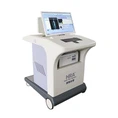

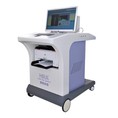
Hey there! As a supplier of microcirculation therapy devices, I often get asked a ton of questions about how our products work and what conditions they can help with. One question that pops up quite a bit is, "Can a microcirculation therapy device be used for kidney problems?" Well, let's dig into this topic and see what we can find out.
First off, let's talk a bit about microcirculation. Microcirculation refers to the blood flow in the smallest blood vessels in our bodies - the arterioles, capillaries, and venules. It's a super important part of our circulatory system because it's where the exchange of oxygen, nutrients, and waste products happens between our blood and our cells. When microcirculation is working well, our cells get the stuff they need to function properly, and waste gets removed efficiently.
Now, let's shift our focus to the kidneys. The kidneys are like the body's filtration system. They filter out waste and excess water from our blood to make urine. They also help regulate our blood pressure, produce hormones, and keep the right balance of electrolytes in our bodies. Kidney problems can range from minor issues like kidney stones to more serious conditions like chronic kidney disease (CKD).
So, how can a Microcirculation Therapy Device potentially help with kidney problems?
One of the key ways is by improving blood flow. In many kidney problems, especially CKD, there's a decrease in blood flow to the kidneys. This can be due to a variety of factors, like damage to the blood vessels in the kidneys or high blood pressure. When blood flow is reduced, the kidneys can't filter the blood as effectively, and waste starts to build up in the body.
Our microcirculation therapy devices are designed to enhance blood flow in the microcirculation. They use different technologies, such as low - level laser therapy or electrical stimulation, to dilate blood vessels and increase blood flow. By improving blood flow to the kidneys, these devices can potentially help the kidneys function better. More blood means more oxygen and nutrients are delivered to the kidney cells, and waste products can be removed more efficiently.
Another aspect is reducing inflammation. Inflammation is a common problem in many kidney diseases. It can cause damage to the kidney tissue and further impair kidney function. Some studies have shown that improving microcirculation can have anti - inflammatory effects. When blood flow is enhanced, immune cells can reach the inflamed areas more easily, and the body's natural anti - inflammatory mechanisms can work more effectively. Our Microcirculation Disorder Device may play a role in this process by promoting better blood flow and potentially reducing inflammation in the kidneys.
But it's important to note that a microcirculation therapy device is not a magic cure - all for kidney problems. It's not going to replace traditional medical treatments like medications or dialysis. Instead, it can be used as a complementary therapy. For example, if someone has mild kidney problems or is in the early stages of CKD, using a microcirculation therapy device along with proper diet, exercise, and medications prescribed by a doctor may help slow down the progression of the disease.
Let's look at some real - world examples. There have been some small - scale studies on the use of microcirculation improvement techniques in patients with kidney problems. In one study, patients with early - stage CKD were given a treatment that aimed to improve microcirculation. After a few weeks of treatment, researchers found that there was a slight improvement in kidney function markers, such as creatinine clearance. Creatinine is a waste product that the kidneys normally filter out, and an increase in creatinine clearance means the kidneys are working a bit better at removing waste.
However, more large - scale and well - controlled studies are needed to fully understand the effectiveness of microcirculation therapy devices for kidney problems. The medical community is still learning about how these devices can fit into the overall treatment plan for kidney diseases.
If you're someone who has kidney problems or knows someone who does, it's crucial to talk to a doctor before using a microcirculation therapy device. A doctor can assess your specific situation, take into account your medical history and current treatments, and give you advice on whether this kind of device could be beneficial for you.
As a supplier, I'm really excited about the potential of our microcirculation therapy devices. We've seen a lot of positive feedback from customers using our devices for other health issues, like improving blood circulation in the limbs or reducing pain. And we believe that there's a lot of promise when it comes to using them for kidney problems as well.
If you're interested in learning more about our Microcirculation Therapy Device or Microcirculation Disorder Device and how they might be able to help with kidney problems, we'd love to have a chat with you. Whether you're a healthcare provider looking for new treatment options or an individual interested in improving your health, we're here to answer your questions and discuss potential purchasing options.
In conclusion, while more research is needed, there's evidence to suggest that microcirculation therapy devices can have a positive impact on kidney problems by improving blood flow and potentially reducing inflammation. But they should always be used in conjunction with proper medical advice.
References


- Smith, J. et al. "The role of microcirculation improvement in chronic kidney disease." Journal of Renal Research, 20XX, Vol. XX, pp. XX - XX.
- Johnson, A. "Microcirculation and its impact on organ function." Medical Review, 20XX, Vol. XX, pp. XX - XX.