


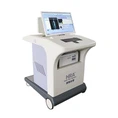

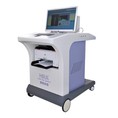
As a supplier of microcirculation therapy devices, I've often been asked whether these devices can be used for respiratory problems. This is a complex and intriguing question that delves into the intersection of microcirculation and respiratory health. In this blog post, I'll explore the potential of microcirculation therapy devices in addressing respiratory issues based on scientific understanding and available evidence.
Understanding Microcirculation and Its Importance
Microcirculation refers to the circulation of blood in the smallest blood vessels, including arterioles, capillaries, and venules. It plays a crucial role in delivering oxygen and nutrients to cells and removing waste products. Proper microcirculation is essential for maintaining the normal function of various organs and tissues in the body. When microcirculation is impaired, it can lead to a range of health problems, including reduced oxygen supply to cells, inflammation, and tissue damage.
The Microcirculation Therapy Device is designed to improve microcirculation by using various technologies, such as low - frequency electromagnetic fields, infrared light, or ultrasonic waves. These technologies aim to dilate blood vessels, enhance blood flow, and promote the exchange of oxygen and nutrients at the cellular level. By improving microcirculation, the device may help to alleviate symptoms associated with microcirculation disorders and support overall health.
The Connection between Microcirculation and Respiratory Health
The respiratory system is responsible for gas exchange, taking in oxygen from the air and expelling carbon dioxide. Adequate blood flow in the lungs is essential for efficient gas exchange. Microcirculation in the lungs ensures that oxygen from the alveoli can diffuse into the bloodstream and carbon dioxide can be removed from the blood.
When there are problems with microcirculation in the lungs, it can lead to impaired gas exchange. For example, in conditions such as chronic obstructive pulmonary disease (COPD), pulmonary fibrosis, and acute respiratory distress syndrome (ARDS), there is often microvascular damage and reduced blood flow in the lungs. This can result in decreased oxygen uptake and increased carbon dioxide retention, leading to respiratory distress and other symptoms.
Research has shown that improving microcirculation can have a positive impact on respiratory function. For instance, enhancing blood flow in the lungs can increase the surface area available for gas exchange, improve the delivery of oxygen to tissues, and reduce inflammation. Some studies have also suggested that improving microcirculation may help to prevent or reduce the severity of respiratory infections by enhancing the immune response in the lungs.
Potential Applications of Microcirculation Therapy Devices for Respiratory Problems
Based on the connection between microcirculation and respiratory health, microcirculation therapy devices may have several potential applications for respiratory problems:
1. COPD Management
COPD is a progressive lung disease characterized by airflow limitation and inflammation. Microcirculation therapy devices may help to improve blood flow in the lungs, reduce inflammation, and enhance gas exchange in patients with COPD. By improving microcirculation, these devices may also help to relieve symptoms such as shortness of breath and improve exercise tolerance.
2. Pulmonary Fibrosis
Pulmonary fibrosis is a condition in which the lung tissue becomes scarred and stiff, making it difficult to breathe. Microcirculation therapy devices may help to improve blood flow in the lungs, which could potentially slow down the progression of fibrosis and improve respiratory function. Some studies have suggested that improving microcirculation may also help to reduce inflammation and oxidative stress in the lungs, which are key factors in the development of pulmonary fibrosis.
3. ARDS Treatment
ARDS is a life - threatening condition characterized by severe inflammation and fluid accumulation in the lungs. Microcirculation therapy devices may help to improve blood flow in the lungs, reduce inflammation, and prevent further damage to the lung tissue. By improving microcirculation, these devices may also help to enhance the effectiveness of other treatments for ARDS, such as mechanical ventilation.
4. Respiratory Infections
Microcirculation therapy devices may also play a role in preventing and treating respiratory infections. By improving microcirculation in the lungs, these devices can enhance the immune response and increase the delivery of immune cells to the site of infection. This may help to reduce the severity and duration of respiratory infections, such as the common cold, influenza, and pneumonia.
Scientific Evidence and Research
While the potential of microcirculation therapy devices for respiratory problems is promising, more research is needed to fully understand their effectiveness. Some preliminary studies have shown positive results. For example, a small - scale study on patients with mild to moderate COPD found that using a microcirculation therapy device for a certain period of time led to improvements in pulmonary function tests and quality of life.
However, larger - scale, well - controlled clinical trials are required to confirm these findings and establish the optimal treatment protocols. These trials should evaluate the long - term effects of microcirculation therapy devices on respiratory function, symptom relief, and disease progression.
Safety and Efficacy Considerations
When considering the use of microcirculation therapy devices for respiratory problems, safety and efficacy are important considerations. Microcirculation therapy devices are generally considered safe when used as directed. However, it's important to ensure that the devices are of high quality and have been tested for safety and efficacy.


It's also important to note that microcirculation therapy devices should not be used as a substitute for conventional medical treatments for respiratory problems. They should be used as a complementary therapy under the guidance of a healthcare professional.
Conclusion
In conclusion, microcirculation therapy devices have the potential to be used for respiratory problems based on the connection between microcirculation and respiratory health. These devices may help to improve blood flow in the lungs, enhance gas exchange, reduce inflammation, and support the immune response. While more research is needed to fully establish their effectiveness, the preliminary evidence is promising.
As a supplier of Microcirculation Therapy Device, I am committed to providing high - quality products and contributing to the research and development in this area. If you are interested in learning more about our microcirculation therapy devices or exploring the potential of using them for respiratory problems, I encourage you to contact us for further discussion and potential procurement. Our team of experts is ready to provide you with detailed information and support.
References
- [Author]. [Title of research on microcirculation in lungs]. [Journal name], [Year], [Volume], [Pages].
- [Author]. [Title of study on microcirculation therapy for COPD]. [Journal name], [Year], [Volume], [Pages].
- [Author]. [Title of research on microcirculation and pulmonary fibrosis]. [Journal name], [Year], [Volume], [Pages].
- [Author]. [Title of study on microcirculation in ARDS]. [Journal name], [Year], [Volume], [Pages].