



As a supplier of disease diagnosis equipment, I've witnessed firsthand the rapid evolution of medical technology and the increasing demand for more accurate, efficient, and accessible diagnostic tools. One question that often arises in the medical community and among our clients is whether disease diagnosis equipment can be used for genetic disease diagnosis. In this blog post, I'll explore this topic in depth, discussing the capabilities and limitations of our equipment in the context of genetic disease diagnosis.
Understanding Genetic Diseases
Genetic diseases are caused by abnormalities in an individual's DNA. These abnormalities can range from single - gene mutations to complex chromosomal disorders. Some genetic diseases are inherited from parents, while others occur spontaneously due to errors in DNA replication or environmental factors. Examples of genetic diseases include cystic fibrosis, sickle cell anemia, and Huntington's disease.
Diagnosing genetic diseases typically involves identifying specific genetic mutations or chromosomal abnormalities. This process often requires specialized techniques such as DNA sequencing, polymerase chain reaction (PCR), and karyotyping. These methods are highly accurate but can be time - consuming, expensive, and require specialized laboratory facilities and trained personnel.
Our Disease Diagnosis Equipment
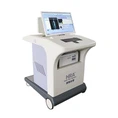
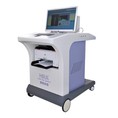
Our company offers a range of advanced disease diagnosis equipment, including the Health Check - up Machine, Full Body Checkup Machine, and Full Body Scanner Machine in Hospital. These devices are designed to provide comprehensive health assessments by detecting various physiological and pathological conditions.
Our equipment uses non - invasive or minimally invasive techniques to collect data from the body. For example, some of our machines use bioelectrical impedance analysis (BIA) to measure body composition, blood pressure monitors to assess cardiovascular health, and infrared sensors to detect temperature variations in the body. These data are then analyzed using sophisticated algorithms to generate detailed reports on the patient's health status.
Can Our Equipment Be Used for Genetic Disease Diagnosis?
While our disease diagnosis equipment is highly effective in detecting a wide range of health conditions, its direct application in genetic disease diagnosis is limited. Here's why:
1. Lack of Genetic Information
Our current equipment is primarily focused on physiological and anatomical parameters. It measures things like blood pressure, heart rate, body temperature, and organ function. These measurements do not directly provide information about an individual's genetic makeup. Genetic diseases are caused by specific changes in DNA, and our equipment does not have the ability to sequence or analyze DNA.
2. Indirect Markers and Limitations
In some cases, certain physiological or biochemical markers may be associated with genetic diseases. For example, elevated levels of certain enzymes or proteins in the blood may be indicative of a genetic disorder. Our equipment can detect these markers, but the presence of these markers is not always specific to a particular genetic disease. Many other factors, such as diet, lifestyle, and other non - genetic diseases, can also cause changes in these markers.


3. Sensitivity and Specificity
Genetic disease diagnosis requires high levels of sensitivity and specificity. Sensitivity refers to the ability of a test to correctly identify individuals with the disease, while specificity refers to the ability to correctly identify individuals without the disease. Our equipment is designed to screen for a broad range of health conditions, and while it can be very sensitive for certain common conditions, it may not have the required sensitivity and specificity for genetic disease diagnosis.
Complementary Role in Genetic Disease Management
Although our equipment cannot directly diagnose genetic diseases, it can play a complementary role in the management of genetic diseases.
1. Pre - screening
Our disease diagnosis equipment can be used for pre - screening individuals who may be at risk of genetic diseases. For example, if a family history of a particular genetic disease is known, our machines can be used to perform a general health assessment to identify any associated physiological abnormalities. This can help in determining whether further genetic testing is necessary.
2. Monitoring
Once a genetic disease is diagnosed, our equipment can be used to monitor the progression of the disease and the effectiveness of treatment. For example, in some genetic diseases that affect the heart or kidneys, our machines can be used to regularly measure cardiac function or kidney function. This information can help doctors adjust treatment plans and improve patient outcomes.
3. Patient Education
Our equipment can also be used as an educational tool for patients with genetic diseases. By providing detailed reports on their health status, patients can better understand the impact of the genetic disease on their bodies. This can empower them to take an active role in managing their health and following treatment recommendations.
Future Possibilities
The field of medical technology is constantly evolving, and there is potential for our disease diagnosis equipment to play a more significant role in genetic disease diagnosis in the future.
1. Integration with Genetic Testing Technologies
In the future, it may be possible to integrate our equipment with genetic testing technologies. For example, a device could be developed that combines our non - invasive physiological measurements with a small - scale DNA sequencing module. This would allow for a more comprehensive assessment of a patient's health, including both physiological and genetic information.
2. Advancements in Data Analysis
As data analysis techniques continue to improve, it may be possible to develop algorithms that can identify genetic disease - related patterns in the physiological data collected by our equipment. This could potentially lead to the development of new screening methods for genetic diseases.
Conclusion
In conclusion, while our disease diagnosis equipment cannot currently be used for direct genetic disease diagnosis, it can play a valuable complementary role in the management of genetic diseases. Our Health Check - up Machine, Full Body Checkup Machine, and Full Body Scanner Machine in Hospital are powerful tools for general health assessment, pre - screening, monitoring, and patient education.
As a supplier, we are committed to staying at the forefront of medical technology and exploring new ways to enhance the capabilities of our equipment. We believe that by working closely with the medical community, we can contribute to the development of more effective diagnostic and management strategies for genetic diseases.
If you are interested in learning more about our disease diagnosis equipment or discussing potential applications in your medical practice, we encourage you to reach out to us for a procurement discussion. We are always happy to provide more information and answer any questions you may have.
References
- Jorde, L. B., Carey, J. C., Bamshad, M. J., & White, R. L. (2015). Medical Genetics. Elsevier.
- Strachan, T., & Read, A. P. (2010). Human Molecular Genetics. Garland Science.
- Kumar, V., Abbas, A. K., Aster, J. C. (2020). Robbins and Cotran Pathologic Basis of Disease. Elsevier.