



In the era of rapid technological advancement, the concept of remote diagnosis has emerged as a revolutionary approach in the healthcare industry. This shift is largely driven by the increasing demand for accessible, efficient, and timely medical services, especially in the face of global challenges such as the COVID - 19 pandemic. As a supplier of disease diagnosis equipment, I am often asked whether our equipment can be used for remote diagnosis. In this blog post, I will delve into this topic, exploring the feasibility, benefits, challenges, and future prospects of using disease diagnosis equipment for remote diagnosis.
Feasibility of Remote Diagnosis with Disease Diagnosis Equipment
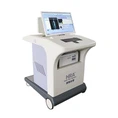
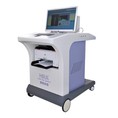
The modern disease diagnosis equipment we offer, such as the Full Body Check - Up Machine, Human Health Risk Assessment Instrument, and Health Risk Appraisal System, are designed with advanced technology that enables data collection and analysis. These devices are equipped with sensors that can measure a wide range of physiological parameters, including blood pressure, heart rate, body temperature, and even more complex data related to organ function and health risks.


With the integration of wireless communication technologies like Wi - Fi, Bluetooth, and cellular networks, the data collected by these devices can be easily transmitted to remote locations. For instance, a patient at home can use the Full Body Check - Up Machine to conduct a comprehensive health check, and the collected data can be sent in real - time to a healthcare provider's server or a cloud - based platform. The healthcare provider can then access this data remotely, analyze it using specialized software, and make a diagnosis without the need for the patient to be physically present in the clinic.
Benefits of Remote Diagnosis Using Disease Diagnosis Equipment
1. Accessibility
One of the most significant benefits of remote diagnosis is improved accessibility to healthcare services. In rural or underserved areas, there may be a shortage of medical facilities and healthcare professionals. By using disease diagnosis equipment for remote diagnosis, patients in these areas can have their health conditions evaluated by experts located in urban centers or specialized medical institutions. This can help bridge the gap in healthcare access and ensure that patients receive timely and appropriate treatment.
2. Convenience
Remote diagnosis offers great convenience for both patients and healthcare providers. Patients no longer need to travel long distances to visit a doctor, which can save them time and money. They can perform health checks at their own convenience, whether at home, in the office, or even while traveling. For healthcare providers, remote diagnosis allows them to manage a larger number of patients, as they can review and analyze patient data from multiple locations without being restricted by physical space.
3. Early Detection and Prevention
The continuous monitoring capabilities of our disease diagnosis equipment enable early detection of health problems. For example, the Health Risk Appraisal System can analyze a patient's long - term health data trends and identify potential health risks before symptoms become apparent. This early detection can lead to preventive measures being taken, such as lifestyle changes or early treatment, which can significantly improve the patient's prognosis and reduce the burden on the healthcare system.
4. Cost - effectiveness
Remote diagnosis can be a cost - effective solution for both patients and the healthcare system. For patients, it reduces the need for expensive travel and hospital stays. For the healthcare system, it can optimize the use of resources by reducing the number of in - person consultations and hospital admissions. By using disease diagnosis equipment for remote diagnosis, healthcare providers can focus their efforts on patients who truly need in - person care, improving the overall efficiency of the healthcare system.
Challenges of Remote Diagnosis Using Disease Diagnosis Equipment
1. Data Security and Privacy
The transmission of sensitive patient data over networks poses significant challenges in terms of data security and privacy. Healthcare providers need to ensure that the data collected by the disease diagnosis equipment is protected from unauthorized access, use, and disclosure. This requires the implementation of robust security measures, such as encryption, access control, and secure data storage. Additionally, compliance with relevant data protection regulations, such as the General Data Protection Regulation (GDPR) in Europe, is essential.
2. Technical Issues
Remote diagnosis relies heavily on stable and reliable network connections. Poor network quality can lead to data transmission delays or errors, which can affect the accuracy of the diagnosis. Moreover, the compatibility of different disease diagnosis equipment with various software and platforms can also be a challenge. Healthcare providers need to ensure that the equipment they use is compatible with their existing systems and can integrate seamlessly with other healthcare technologies.
3. Regulatory and Legal Issues
The use of disease diagnosis equipment for remote diagnosis is subject to various regulatory and legal requirements. Different countries and regions have different regulations regarding medical device use, data privacy, and telemedicine practice. Healthcare providers and equipment suppliers need to ensure that they comply with all relevant regulations to avoid legal risks.
4. Patient Acceptance
Some patients may be hesitant to use disease diagnosis equipment for remote diagnosis. They may have concerns about the accuracy of the equipment, the lack of in - person interaction with healthcare providers, and the security of their personal information. Healthcare providers need to educate patients about the benefits and safety of remote diagnosis to increase patient acceptance.
Future Prospects of Remote Diagnosis with Disease Diagnosis Equipment
Despite the challenges, the future of using disease diagnosis equipment for remote diagnosis looks promising. Advancements in technology, such as the development of more accurate sensors, artificial intelligence (AI), and machine learning algorithms, will further improve the accuracy and efficiency of remote diagnosis.
AI - powered diagnostic tools can analyze large amounts of patient data in real - time, providing more accurate and personalized diagnoses. For example, machine learning algorithms can learn from a vast database of patient cases to identify patterns and predict disease outcomes. This can help healthcare providers make more informed decisions and provide better treatment options.
In addition, the integration of wearable devices and mobile health applications with disease diagnosis equipment will enable continuous and real - time health monitoring. Patients can use their smartphones or smartwatches to track their health status and share the data with healthcare providers. This will further enhance the convenience and effectiveness of remote diagnosis.
Conclusion
As a supplier of disease diagnosis equipment, I am confident that our products, such as the Full Body Check - Up Machine, Human Health Risk Assessment Instrument, and Health Risk Appraisal System, can be effectively used for remote diagnosis. The benefits of remote diagnosis, including improved accessibility, convenience, early detection, and cost - effectiveness, outweigh the challenges.
However, to fully realize the potential of remote diagnosis, collaboration between equipment suppliers, healthcare providers, technology companies, and regulatory authorities is essential. We need to work together to address the challenges related to data security, technical issues, regulatory compliance, and patient acceptance.
If you are interested in our disease diagnosis equipment for remote diagnosis applications, I encourage you to contact us for further discussion and procurement negotiation. We are committed to providing high - quality products and solutions to meet your needs and contribute to the development of remote healthcare services.
References
- Smith, J. (2020). The Future of Remote Diagnosis in Healthcare. Journal of Medical Technology, 15(2), 45 - 52.
- Johnson, A. (2021). Challenges and Opportunities in Using Medical Devices for Remote Diagnosis. International Journal of Healthcare Innovation, 8(3), 78 - 85.
- Brown, C. (2019). Data Security in Remote Healthcare: A Review. Healthcare Informatics Review, 12(4), 23 - 30.