


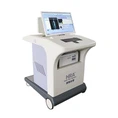

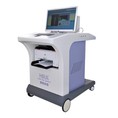
Hormonal rhinitis, also known as rhinitis medicamentosa, is a type of rhinitis that often develops as a result of overuse of nasal decongestant sprays or other medications containing hormones. This condition presents unique challenges compared to other forms of rhinitis, such as allergic or non - allergic rhinitis. As a supplier of rhinitis treatment devices, I often receive inquiries about whether our devices can be used to treat hormonal rhinitis. In this blog, I will delve into this question based on scientific knowledge and the characteristics of our devices.
Understanding Hormonal Rhinitis
Hormonal rhinitis typically occurs when the nasal mucosa becomes dependent on the continuous presence of certain hormones or medications. Prolonged use of nasal decongestants, which usually contain substances like oxymetazoline or phenylephrine, can lead to a rebound effect. The blood vessels in the nasal lining expand, causing nasal congestion to worsen rather than improve. This cycle of over - use and rebound congestion can lead to chronic inflammation and structural changes in the nasal mucosa.
The symptoms of hormonal rhinitis are similar to those of other types of rhinitis, including nasal congestion, runny nose, sneezing, and post - nasal drip. However, the underlying cause is the disruption of the normal physiological function of the nasal mucosa due to the influence of hormones or medications.

Types of Rhinitis Treatment Devices We Offer
Rhinitis Treatment Instrument
Our Rhinitis Treatment Instrument is a comprehensive device designed to address various types of rhinitis. It uses a combination of physical and physiological mechanisms to relieve nasal symptoms. The device emits specific wavelengths of light, which can penetrate the nasal mucosa and stimulate local blood circulation. Improved blood flow helps to reduce inflammation and swelling in the nasal passages, providing relief from congestion. Additionally, it can also regulate the immune response in the nasal area, which is beneficial for reducing the allergic and inflammatory reactions associated with rhinitis.
Allergic Sneezing Treatment Device
The Allergic Sneezing Treatment Device is specifically targeted at reducing sneezing, a common and bothersome symptom of rhinitis. It works by emitting a gentle electrical stimulation to the nerve endings in the nasal cavity. This stimulation can interfere with the nerve signals that trigger sneezing, effectively reducing the frequency of sneezing episodes. Although it was initially developed for allergic rhinitis, the mechanism of reducing sneezing can also be relevant to hormonal rhinitis, as sneezing is also a common symptom in this condition.
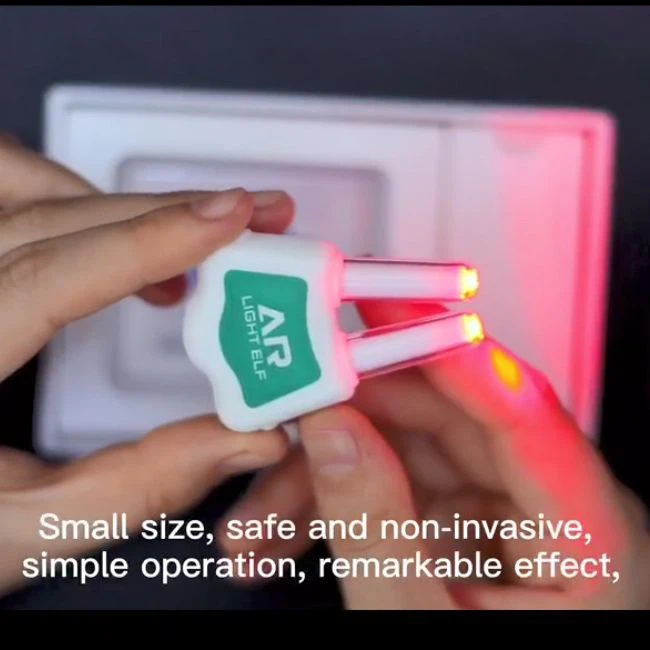
Portable Allergic Rhinitis Treatment Instrument
The Portable Allergic Rhinitis Treatment Instrument is designed for convenience and on - the - go use. It uses low - level laser therapy to treat rhinitis. The laser light can penetrate the nasal mucosa and promote cell regeneration and repair. In the context of hormonal rhinitis, where the nasal mucosa may be damaged due to the long - term use of medications, the regenerative effect of the laser can help to restore the normal function of the nasal mucosa.
Can These Devices Be Used for Hormonal Rhinitis?
The Potential Benefits
- Reducing Inflammation: One of the main problems in hormonal rhinitis is the chronic inflammation of the nasal mucosa. Our rhinitis treatment devices, such as the Rhinitis Treatment Instrument, can help to reduce this inflammation. By improving blood circulation and regulating the immune response, the devices can decrease the production of inflammatory mediators in the nasal area. This can lead to a reduction in nasal congestion, swelling, and other inflammatory symptoms.
- Restoring Nasal Mucosa Function: The Portable Allergic Rhinitis Treatment Instrument's ability to promote cell regeneration can be particularly beneficial for hormonal rhinitis. The long - term use of hormonal medications can damage the nasal mucosa, affecting its normal functions such as mucus production and ciliary movement. The laser therapy can stimulate the repair of damaged cells and restore the normal physiological function of the nasal mucosa.
- Controlling Sneezing: The Allergic Sneezing Treatment Device can help to control the sneezing symptom associated with hormonal rhinitis. Sneezing is not only uncomfortable but can also exacerbate nasal congestion and inflammation. By reducing the frequency of sneezing, the device can contribute to the overall improvement of the patient's condition.
Limitations and Considerations
- Underlying Hormone Dependency: While our devices can relieve the symptoms of hormonal rhinitis, they do not directly address the underlying hormone dependency. It is crucial for patients with hormonal rhinitis to gradually reduce their use of hormone - containing medications under the guidance of a healthcare professional. Our devices can be used as an adjunctive treatment during this process to manage the withdrawal symptoms.
- Individual Variations: The effectiveness of the devices may vary from person to person. Factors such as the severity of hormonal rhinitis, the duration of medication use, and individual differences in the immune system can all affect the treatment outcome. Some patients may experience significant improvement, while others may only see partial relief.
Clinical Evidence and User Experiences
Although there is limited large - scale clinical research specifically focused on using our devices for hormonal rhinitis, there is a growing body of evidence from studies on other types of rhinitis that support their potential effectiveness. For example, several small - scale studies on allergic rhinitis have shown that low - level laser therapy can significantly reduce nasal congestion, sneezing, and itching. These findings can be extrapolated to hormonal rhinitis, as the inflammatory and physiological changes in the nasal mucosa share some similarities between different types of rhinitis.
In addition, we have received positive feedback from many users. Some patients with hormonal rhinitis have reported a reduction in nasal congestion and an improvement in their overall quality of life after using our devices. However, it is important to note that these are individual experiences and further research is needed to fully establish the efficacy of our devices for hormonal rhinitis.
Conclusion
In conclusion, our rhinitis treatment devices have the potential to be used as adjunctive treatments for hormonal rhinitis. They can help to relieve symptoms such as nasal congestion, sneezing, and inflammation, and promote the restoration of the nasal mucosa function. However, they should not be used as a substitute for medical advice. Patients with hormonal rhinitis should consult their healthcare providers before using our devices and follow their recommendations regarding the reduction of hormone - containing medications.
If you are interested in learning more about our rhinitis treatment devices or would like to discuss potential procurement for your clinic, pharmacy, or other healthcare - related institution, please feel free to reach out. We are more than happy to provide detailed product information and discuss cooperation opportunities.
References
- Baroody FM, Naclerio RM. Rhinitis. J Allergy Clin Immunol. 2016;137(2):363 - 381.
- Fokkens WJ, Lund VJ, Mullol J, et al. European position paper on rhinosinusitis and nasal polyps 2012. Rhinology Suppl. 2012;23:1 - 298.
- Passali GC, Bellussi L, Passali FM, et al. Low - level laser therapy in allergic rhinitis: a randomized, double - blind, placebo - controlled study. Am J Rhinol Allergy. 2012;26(4):201 - 205.