


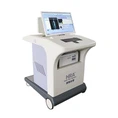

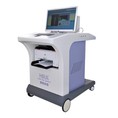
As a supplier of full body checkup machines, I often encounter questions from customers regarding various aspects of these advanced medical devices. One question that comes up quite frequently is whether full body checkup machines have a data storage limit. In this blog post, I will delve into this topic, providing a comprehensive analysis based on scientific knowledge and practical experience in the field.
Understanding Full Body Checkup Machines
Full body checkup machines are sophisticated medical devices designed to conduct a thorough examination of a patient's body. These machines utilize a variety of technologies, such as infrared scanning, bioelectrical impedance analysis, and ultrasound, to gather detailed information about a person's health status. The data collected includes vital signs, organ function, and the presence of potential health issues.
There are different types of full body checkup machines available in the market, each with its own set of features and capabilities. For instance, the Full Body Scanner Machine in Hospital is specifically designed for use in a hospital setting, where it can perform in - depth scans of the entire body. On the other hand, the Full Body Checkup Machine is more versatile and can be used in various healthcare facilities, including clinics and wellness centers. The Sub - Health Analyzer focuses on detecting sub - health conditions, which are early signs of potential health problems.
How Data is Generated and Stored in Full Body Checkup Machines
When a patient undergoes a full body checkup using these machines, a large amount of data is generated. This data includes numerical values, images, and graphs that represent different aspects of the patient's health. The data is first collected by the sensors and detectors within the machine. These components are highly sensitive and can capture even the slightest changes in the body's physiological parameters.
Once the data is collected, it is processed by the machine's internal software. The software analyzes the data, compares it with established medical standards, and generates a detailed report. This report can be used by healthcare professionals to make accurate diagnoses and develop appropriate treatment plans.
In terms of storage, most full body checkup machines are equipped with internal storage devices, such as hard drives or solid - state drives (SSDs). These storage devices are used to store the raw data collected during the checkup, as well as the generated reports. Some machines also offer the option to store data in the cloud, which provides additional benefits such as remote access and data backup.
Factors Affecting Data Storage Capacity
There are several factors that can affect the data storage capacity of full body checkup machines.
Type of Machine: Different types of full body checkup machines have different storage requirements. Machines that use high - resolution imaging technologies, such as MRI or CT scanners, generate a large amount of data in the form of detailed images. These machines typically require larger storage capacities compared to machines that rely mainly on numerical data.


Frequency of Use: The more frequently a machine is used, the more data it will generate. In a busy hospital or clinic, where a large number of patients are examined every day, the data storage requirements can be quite high. On the other hand, a machine used in a small wellness center with fewer patients may not require as much storage space.
Retention Policy: Healthcare facilities often have specific data retention policies. These policies determine how long patient data should be stored. Longer retention periods mean that more data needs to be stored, which can increase the demand for storage capacity.
Do Full Body Checkup Machines Have a Data Storage Limit?
The answer to this question is yes, full body checkup machines do have a data storage limit. However, the extent of this limit depends on several factors, as mentioned above.
Most modern full body checkup machines come with a certain amount of built - in storage capacity. For example, a basic machine may have a storage capacity of a few terabytes, while more advanced models can have storage capacities of up to tens of terabytes. This storage capacity is usually sufficient for small to medium - sized healthcare facilities that do not perform a large number of checkups on a daily basis.
However, in large hospitals or busy clinics, the built - in storage capacity may not be enough, especially if they have a long - term data retention policy. In such cases, the machines may reach their storage limit over time. When this happens, several options are available.
One option is to upgrade the internal storage device. Many machines are designed to be easily upgradable, allowing users to replace the existing hard drive or SSD with a larger one. Another option is to use external storage devices, such as external hard drives or network - attached storage (NAS) devices. These devices can provide additional storage space and can be connected to the machine via USB or Ethernet ports.
Cloud storage is also a popular solution. By storing data in the cloud, healthcare facilities can access an almost unlimited amount of storage space. Cloud storage providers offer scalable solutions, which means that the storage capacity can be increased or decreased according to the facility's needs.
Implications of Data Storage Limits
The data storage limit of full body checkup machines can have several implications for healthcare facilities.
Operational Disruptions: If a machine reaches its storage limit and there is no immediate solution, it can disrupt the normal operation of the facility. Healthcare professionals may not be able to perform new checkups until the storage issue is resolved, which can lead to delays in patient care.
Data Loss Risk: If the storage limit is reached and no action is taken, there is a risk of data loss. This can be a serious problem, as patient data is valuable and needs to be retained for legal and medical reasons.
Cost Considerations: Upgrading the storage capacity of a machine or using cloud storage can incur additional costs. Healthcare facilities need to carefully consider these costs and balance them against the benefits of having sufficient data storage.
Conclusion
In conclusion, full body checkup machines do have a data storage limit, but this limit can be managed effectively through various means. Healthcare facilities need to assess their data storage needs based on factors such as the type of machine, frequency of use, and data retention policy. By choosing the right storage solution, whether it is upgrading the internal storage, using external storage devices, or leveraging cloud storage, facilities can ensure that they have sufficient space to store patient data and continue to provide high - quality healthcare services.
If you are interested in learning more about our full body checkup machines or have any questions regarding data storage and management, please feel free to contact us for a detailed discussion and potential procurement. We are committed to providing you with the best solutions for your healthcare needs.
References
- Smith, J. (2020). Medical Device Data Management. Journal of Healthcare Informatics.
- Johnson, A. (2021). Advances in Full Body Checkup Technologies. International Journal of Medical Technology.
- Brown, C. (2022). Cloud Storage Solutions for Healthcare Data. Healthcare IT Review.