


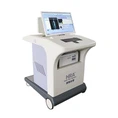

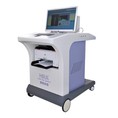
As a supplier of health analyzer machines, one of the most common questions I encounter is whether these machines use radiation. This is a valid concern, as radiation exposure can have potential health risks. In this blog post, I will delve into the topic to provide a clear understanding of whether health analyzer machines utilize radiation.
Understanding Health Analyzer Machines
Health analyzer machines come in various types and serve different purposes. They are designed to assess an individual's health status, detect potential health issues, and provide insights into overall well - being. Some common types of health analyzer machines include those used for physical examinations, full - body scans, and general health check - ups. You can explore more about these machines through the following links: Physical Examination Instruments, Full Body Scanner Machine in Hospital, and Health Check - up Machine.
Different Types of Health Analyzer Machines and Their Radiation Usage
1. Non - Radiation - Based Health Analyzer Machines
Many modern health analyzer machines do not use radiation at all. These machines rely on other technologies to gather data about the body.


-
Bioelectrical Impedance Analysis (BIA) Machines: BIA machines are commonly used to measure body composition, such as body fat percentage, muscle mass, and water content. They work by sending a small, painless electrical current through the body. The impedance (resistance) of the electrical current as it passes through different tissues is measured. Since this method only involves a very low - level electrical current and not radiation, it is considered safe for regular use. For example, a person can step on a BIA scale at home to get an estimate of their body composition without any risk of radiation exposure.
-
Electrocardiogram (ECG) Machines: ECG machines record the electrical activity of the heart. Electrodes are placed on the skin to detect the electrical signals generated by the heart's contractions. This technology has been used for decades and is a non - invasive and radiation - free way to assess heart health. ECGs are commonly used in clinics and hospitals to diagnose heart conditions such as arrhythmias.
-
Pulse Oximeters: Pulse oximeters are small, portable devices that measure the oxygen saturation level in the blood and the heart rate. They use light - emitting diodes (LEDs) to emit light at different wavelengths through the tissue (usually a finger or an earlobe). The amount of light absorbed by the blood is measured, and based on this, the oxygen saturation level is calculated. This process does not involve radiation but rather the principle of light absorption and reflection.
2. Radiation - Based Health Analyzer Machines
However, there are also some health analyzer machines that do use radiation.
-
X - ray Machines: X - ray machines are well - known for their use in medical imaging. They work by passing a small amount of X - ray radiation through the body to create images of bones, organs, and other structures. X - rays are useful for diagnosing fractures, lung diseases, and other conditions. While the radiation dose from a single X - ray is relatively low, repeated exposure can increase the risk of cancer. Therefore, X - rays are usually only used when necessary, and strict safety protocols are followed to minimize radiation exposure.
-
Computed Tomography (CT) Scanners: CT scanners are more advanced imaging devices that use a combination of X - rays and computer technology to create detailed cross - sectional images of the body. CT scans provide more detailed information than X - rays but also involve a higher radiation dose. They are often used to diagnose complex medical conditions, such as tumors, internal injuries, and vascular diseases.
Safety Measures in Radiation - Based Health Analyzer Machines
For health analyzer machines that use radiation, strict safety measures are in place to protect patients and operators.
-
Dosage Control: Medical professionals carefully calculate and control the amount of radiation used in X - ray and CT scan procedures. The goal is to use the minimum amount of radiation necessary to obtain accurate diagnostic information.
-
Shielding: Lead aprons and other shielding devices are used to protect parts of the body that are not being imaged. This helps to reduce the overall radiation exposure.
-
Operator Training: Operators of radiation - based health analyzer machines are required to undergo extensive training to ensure that they use the machines correctly and safely. They are trained to follow safety protocols and to handle any potential radiation - related issues.
Our Company's Approach to Radiation in Health Analyzer Machines
As a supplier of health analyzer machines, we understand the importance of safety and the concerns about radiation. Our product portfolio includes a wide range of non - radiation - based health analyzer machines. These machines offer reliable and accurate health assessment results without the risk of radiation exposure.
We believe that non - radiation - based technologies are the future of health analysis, as they provide a safe and convenient way for people to monitor their health. However, we also recognize that in some cases, radiation - based machines are necessary for accurate diagnosis. When we offer radiation - based machines, we ensure that they comply with all relevant safety standards and regulations. We also provide comprehensive training and support to our customers to ensure the safe and proper use of these machines.
Conclusion
In conclusion, not all health analyzer machines use radiation. There are many non - radiation - based options available that offer effective health assessment solutions. However, radiation - based machines such as X - rays and CT scanners are still important in the medical field for diagnosing certain conditions. As a supplier, we are committed to providing our customers with a variety of safe and reliable health analyzer machines.
If you are interested in purchasing health analyzer machines for your clinic, hospital, or other healthcare facilities, we would be more than happy to discuss your needs. Contact us to start a conversation about how our products can meet your specific requirements and help you provide better healthcare services.
References
- Bushberg, J. T., Seibert, J. A., Leidholdt, E. M., & Boone, J. M. (2012). The essential physics of medical imaging. Lippincott Williams & Wilkins.
- Hendee, W. R., & Ritenour, E. R. (2015). Medical imaging physics. John Wiley & Sons.