




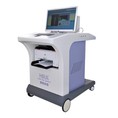
Hey there! As a supplier of Pulse Magnetic Field Mats, I often get asked this question: "Do pulse magnetic field mats interfere with electronic devices?" It's a valid concern, especially in our tech - saturated world where we're surrounded by all sorts of gadgets. So, let's dig into this topic and find out the real deal.
First off, let's understand what a Pulse Magnetic Field Mat is. A Pulse Magnetic Field Mat is a device that generates pulsed magnetic fields. These fields are believed to have various health benefits, such as improving blood circulation, reducing pain, and enhancing overall well - being. It's part of the broader field of Pulsed Magnetic Field Therapy, and you can learn more about the related Pulsed Magnetic Field Therapy Apparatus and Pemf Pulse Therapy Equipment on our website.
Now, onto the main question. To figure out if these mats interfere with electronic devices, we need to understand a bit about how magnetic fields and electronics work. Electronic devices rely on electrical currents and circuits to function. These currents create their own magnetic fields, and they're designed to operate within a certain range of magnetic interference.
Magnetic fields can interact with electronic components in different ways. For example, a strong and constant magnetic field can disrupt the flow of electrons in a circuit, causing malfunctions. However, pulse magnetic field mats generate pulsed magnetic fields, which are different from constant magnetic fields.
The pulses in these mats are carefully controlled in terms of frequency, intensity, and duration. Most of the time, the magnetic fields produced by these mats are relatively weak compared to the ones that can cause significant interference in electronic devices. In fact, many electronic devices are already designed to withstand a certain level of external magnetic fields.
Let's take a look at some common electronic devices and see how they might be affected.
Smartphones
Smartphones are probably the most important electronic device for most of us. They contain a variety of sensors, such as magnetic sensors for the compass function. A strong enough magnetic field could potentially disrupt these sensors. But here's the thing: the magnetic fields from pulse magnetic field mats are usually not strong enough to cause any noticeable issues.
I've had customers who use their phones while lying on the mat, and they've reported no problems with the phone's normal operation. The compass might show a little bit of deviation if the phone is placed very close to the mat, but as soon as you move it away, it goes back to normal.
Laptops
Laptops have hard drives (in traditional models) or solid - state drives (in newer ones). Hard drives are more susceptible to magnetic interference because they use magnetic disks to store data. However, modern hard drives are shielded to protect against external magnetic fields. And solid - state drives don't rely on magnetic storage at all, so they're even less likely to be affected.
In most cases, using a pulse magnetic field mat near a laptop won't cause any problems. You can place your laptop on a table near the mat and use it without worrying about interference.
TVs and Other Home Appliances
Televisions, microwaves, and other home appliances are also designed to be resistant to external magnetic fields. The magnetic fields from pulse magnetic field mats are typically well within the tolerance levels of these devices. You can use your TV in the same room as the mat without experiencing any picture or sound quality issues.
However, it's important to note that there are some extreme cases where interference could occur. If you place an electronic device directly on top of the mat for an extended period, or if the device is very sensitive, there might be a small chance of interference. But this is rare and usually only happens under very specific conditions.


Scientific Evidence
There isn't a whole lot of scientific research specifically focused on the interference between pulse magnetic field mats and electronic devices. But there's plenty of research on magnetic fields and electronics in general.
Most studies show that the magnetic fields generated by consumer - grade pulse magnetic field mats are not strong enough to cause significant interference in normal electronic devices. The safety standards for these mats ensure that the magnetic fields are within acceptable limits.
Precautions
Even though the chances of interference are low, it's still a good idea to take some precautions.
- Keep a safe distance: Try to keep electronic devices at least a few inches away from the mat. This will reduce the chance of any potential interference.
- Test it out: If you're worried about a particular device, you can do a simple test. Place the device near the mat while it's turned on and see if there are any changes in its operation.
In conclusion, for the most part, pulse magnetic field mats do not interfere with electronic devices. The magnetic fields they generate are usually too weak to cause any significant problems. But it's always better to be cautious and follow the precautions I mentioned.
If you're interested in learning more about pulse magnetic field mats or are thinking about making a purchase, I'd love to have a chat with you. Whether you're a healthcare professional looking to add these mats to your practice or an individual interested in improving your health, we can have a detailed discussion about your needs. Just reach out, and we can start the procurement and negotiation process.
References
- International Electrotechnical Commission (IEC). Standards related to electromagnetic compatibility of electronic devices.
- Research papers on magnetic field interactions with electronic components from various scientific journals.