


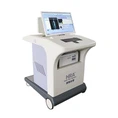

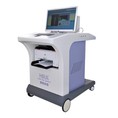
Hey there! As a supplier of rhinitis treatment devices, I often get asked about how to store these nifty gadgets properly. It's not just about tossing them in a drawer and forgetting. The right storage can keep your device in top - notch condition, ensuring it works effectively every time you need it.
First off, let's talk about the general environment. Rhinitis treatment devices are sensitive pieces of equipment. They're designed to be used in your nasal passages, so you want to make sure they're stored in a clean and dry place. Humidity is the enemy here. Moisture can cause corrosion on the metal parts, damage the electronic components, and even promote the growth of mold and bacteria. You definitely don't want that stuff getting up your nose!
A great place to start is a closed cabinet in your bathroom or bedroom. Make sure it's away from the shower or any other sources of water. If your bathroom is particularly humid, consider using a dehumidifier. It'll help keep the air dry and protect your device.
Now, let's say you've got an Infrared Rhinitis Therapy Device. These devices use infrared technology to soothe your nasal passages. They usually come with a little case for storage. That case is there for a reason! It provides a protective barrier against dust, dirt, and accidental bumps. Always put your device back in its case after each use.
When you're storing the device in the case, be careful not to bend or damage any of the cords or wires. If it's a rechargeable device, make sure the battery is in good condition. You don't want it to leak and ruin the device. It's a good idea to charge the device fully every few months, even if you're not using it regularly. This helps keep the battery healthy.
Another important factor is temperature. Extreme temperatures can be harmful to rhinitis treatment devices. Don't leave your device in a hot car or out in the freezing cold. The ideal temperature range for storage is between 15°C and 25°C (59°F and 77°F). This range ensures that the internal components of the device don't expand or contract too much, which can lead to malfunctions.


Let's move on to the Allergic Sneezing Treatment Device. These devices are often used to combat the symptoms of allergies, like sneezing and a runny nose. They usually have small nozzles or tips that come into contact with your nasal passages. After each use, clean these parts thoroughly according to the manufacturer's instructions.
Once they're clean and dry, you can store them in a separate compartment within the case. This keeps them protected and prevents them from getting dirty again. You might also want to use a small plastic bag to cover the nozzle or tip for extra protection.
For Rhinitis Treatment Device in general, labeling can be a game - changer. If you have multiple devices or different parts, label them clearly. This makes it easier to find what you need when you're in a hurry. You can use sticky labels or a permanent marker to write on the cases or containers.
It's also a good idea to keep a record of when you last cleaned and maintained your device. This helps you stay on top of the maintenance schedule and ensures that your device is always ready to use. You can use a simple notebook or a digital calendar to keep track of these dates.
Now, let's talk about long - term storage. If you're not going to use your rhinitis treatment device for an extended period, there are a few extra steps you should take. First, make sure the device is completely clean and dry. Remove the batteries if it's a battery - operated device. This prevents battery leakage, which can damage the device.
Store the device in a sealed plastic bag with a desiccant packet. Desiccant packets are those little bags that come with new shoes or electronics. They absorb moisture and keep the air inside the bag dry. Place the sealed bag in a cool, dark place, like a closet or a storage box.
When you're ready to use the device again after long - term storage, give it a good inspection. Check for any signs of damage, like cracks or rust. If it's a rechargeable device, charge it fully before using it.
As a supplier, I know how important it is to take good care of these devices. Not only does proper storage ensure that your device works well, but it also extends its lifespan. You'll save money in the long run by not having to replace your device as often.
If you're in the market for a new rhinitis treatment device or have any questions about storage or maintenance, I'd love to chat with you. Whether you're a healthcare professional looking to stock up your clinic or an individual seeking relief from rhinitis, we've got the right solutions for you. Reach out to start a procurement discussion and find the perfect device for your needs.
References
- General knowledge about medical device storage and maintenance.
- Manufacturer's instructions for rhinitis treatment devices.