


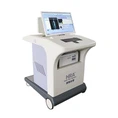

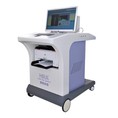
Hey there! I'm a supplier of Full Body Check-Up Machine, and I often get asked how these machines can detect kidney function issues. So, I thought I'd take a deep dive into this topic and share some insights with you.
First off, let's understand why kidney function checks are so important. The kidneys are like the body's filtration system. They remove waste products and excess fluids from the blood, help control blood pressure, produce hormones, and regulate the body's electrolyte balance. When the kidneys aren't working properly, it can lead to a whole bunch of health problems, from mild discomfort to life - threatening conditions.
How Full Body Check - Up Machines Work in General
Our Full Body Check - Up Machines are based on advanced Health Risk Appraisal System technology. These machines use a combination of non - invasive methods to gather a wealth of information about your body. They don't just focus on the kidneys; they can provide a comprehensive view of your overall health.
Detecting Kidney Function Issues
Biochemical Markers
One of the main ways our full - body check - up machines detect kidney function issues is by analyzing biochemical markers in the blood and urine. When you go for a check - up, a small sample of your blood or urine is taken. The machine then uses sophisticated sensors and algorithms to measure the levels of various substances.
For example, creatinine is a waste product produced by muscle metabolism. Normally, the kidneys filter creatinine out of the blood and excrete it in the urine. If the kidneys are damaged, they may not be able to filter creatinine effectively, leading to higher levels of creatinine in the blood. Our Health Check - up Machine can accurately measure the creatinine level in your blood sample. Based on your age, gender, and muscle mass, it can then calculate your estimated glomerular filtration rate (eGFR). A low eGFR is often an indication of reduced kidney function.
Another important marker is blood urea nitrogen (BUN). Urea is a waste product formed when the liver breaks down proteins. The kidneys are responsible for removing urea from the blood. Elevated BUN levels can suggest that the kidneys are not functioning properly. Our machine can quickly and precisely measure BUN levels, giving us an important clue about kidney health.
Ultrasound Imaging
Some of our full - body check - up machines are equipped with ultrasound technology. Ultrasound uses high - frequency sound waves to create images of the internal organs. When it comes to the kidneys, ultrasound can provide valuable information about their size, shape, and structure.
For instance, if there are kidney stones, cysts, or tumors, the ultrasound will show abnormal masses or structures in the kidney area. A normal kidney should have a smooth outline and a consistent texture. Any irregularities detected by the ultrasound can be a sign of kidney disease. The machine can also measure blood flow in the kidneys using Doppler ultrasound. Reduced blood flow may indicate problems such as renal artery stenosis, which can affect kidney function.
Electrical Impedance Analysis
Our advanced machines also use electrical impedance analysis to assess kidney function. This method involves passing a small, painless electrical current through the body. Different tissues in the body have different electrical properties, and the machine measures how the current is affected as it passes through the kidneys.
In healthy kidneys, the electrical impedance has a certain characteristic pattern. When the kidneys are damaged, the electrical properties change. For example, if there is fluid buildup in the kidneys due to kidney disease, the impedance will be different from that of a healthy kidney. By analyzing these changes in electrical impedance, our machine can detect early signs of kidney dysfunction.
The Importance of Early Detection
Detecting kidney function issues early is crucial. In the early stages of kidney disease, there may be few or no symptoms. But as the disease progresses, it can lead to more serious problems such as kidney failure, which may require dialysis or a kidney transplant.
Our Full Body Check - Up Machine can identify kidney problems at an early stage, allowing for timely intervention. Treatment options in the early stages are often less invasive and more effective. For example, lifestyle changes such as diet modification, exercise, and blood pressure control can sometimes slow down the progression of kidney disease.
Who Should Get a Full - Body Check - Up?
Anyone can benefit from a full - body check - up, but some people are at a higher risk of kidney disease and should consider getting regular check - ups. These include:
- People with diabetes: High blood sugar levels can damage the blood vessels in the kidneys over time.
- Individuals with high blood pressure: Uncontrolled high blood pressure can put extra strain on the kidneys.
- Those with a family history of kidney disease: Genetic factors can play a role in kidney health.
- Older adults: As we age, the risk of kidney problems increases.
Why Choose Our Full - Body Check - Up Machines?
Our machines are state - of - the - art. They are designed to be user - friendly, accurate, and efficient. The results are generated quickly, so you don't have to wait for days to get your health report. And because they are non - invasive, they are a comfortable and convenient option for patients.
We also offer excellent after - sales support. Our team of experts can help you interpret the results and provide guidance on any necessary follow - up actions. Whether you're a healthcare provider looking to add these machines to your clinic or an individual interested in getting a comprehensive health check - up, our products are a great choice.
Contact Us for Purchase and Consultation
If you're interested in purchasing our Full Body Check - Up Machine or have any questions about how it can detect kidney function issues, don't hesitate to get in touch. We're here to help you make an informed decision and ensure that you have access to the best technology for health assessment.


References
- National Kidney Foundation. "Kidney Disease: What You Need to Know."
- American Society of Nephrology. "Understanding Kidney Function and Disease."
- Mayo Clinic. "Kidney Function Tests."