


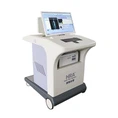

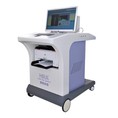
In the modern era of healthcare, the significance of full body check - up machines has soared to new heights. As a supplier of Full Body Check - Up Machine, I am often asked about how these advanced devices ensure patient privacy. This blog post aims to delve into the various mechanisms and practices that safeguard patient confidentiality in the context of full body check - up machines.
The Importance of Patient Privacy in Full Body Check - Ups
Patient privacy is not just a moral obligation; it is a legal requirement in many countries. When patients undergo a full body check - up, they are entrusting highly personal and sensitive information to the healthcare provider and the technology being used. This information can include details about their physical health, genetic predispositions, and potential diseases. Any breach of this privacy can have severe consequences for the patient, including discrimination in employment, insurance, and social stigmatization.
Technological Safeguards in Full Body Check - Up Machines
Encryption
One of the most fundamental technological safeguards is encryption. Our full body check - up machines use state - of - the - art encryption algorithms to protect patient data. When a patient's data is collected during the check - up, it is immediately converted into a coded form. This means that even if the data is intercepted during transmission or storage, it cannot be read without the correct decryption key. For example, we use AES (Advanced Encryption Standard) which is widely recognized as a highly secure encryption method in the industry.
Secure Data Storage
The data collected by our Full Body Check - Up Machine is stored in secure servers. These servers are protected by multiple layers of security, including firewalls, intrusion detection systems, and access controls. Only authorized personnel with the appropriate credentials can access the patient data. Additionally, the servers are regularly backed up to prevent data loss in case of a system failure or a natural disaster.
Anonymization
To further protect patient privacy, our machines are designed to anonymize patient data whenever possible. Anonymization involves removing or encrypting any personally identifiable information from the data. For instance, instead of using the patient's name, a unique identifier is assigned to each patient. This identifier is used within the system to track the patient's data, but it does not reveal any personal information. This way, even if the data is used for research or statistical analysis, the patients' identities remain protected.
Operational and Procedural Measures
Staff Training
Our company places great emphasis on staff training. All employees who are involved in the handling of patient data, including technicians, operators, and administrators, are required to undergo regular training on patient privacy and data security. They are educated about the importance of patient confidentiality, the legal requirements regarding data protection, and the proper procedures for handling patient data. This ensures that everyone in the organization is aware of their responsibilities and takes the necessary steps to protect patient privacy.
Strict Access Control
Access to patient data is strictly controlled within our organization. Only employees who have a legitimate need to access the data for the purpose of providing healthcare services are granted access. This is determined based on the employee's job role and responsibilities. For example, a technician who is responsible for maintaining the full body check - up machine may not have access to the patient's medical records. Access to the data is also time - limited, and employees are required to log out of the system after they have completed their tasks.
Consent Management
Before collecting any patient data, we ensure that the patient provides informed consent. The consent form clearly explains how the data will be used, who will have access to it, and for what purposes. Patients have the right to withdraw their consent at any time, and we have procedures in place to handle such requests. This gives patients more control over their personal information and ensures that their privacy preferences are respected.
Compliance with Regulations
Our Full Body Check - Up Machine and the associated data management practices are fully compliant with all relevant regulations, such as the General Data Protection Regulation (GDPR) in the European Union and the Health Insurance Portability and Accountability Act (HIPAA) in the United States. These regulations set strict standards for patient privacy and data security, and we are committed to meeting and exceeding these standards. By complying with these regulations, we not only protect the patients' privacy but also build trust with our customers.
Role of the Health Risk Appraisal System in Privacy Protection
The Health Risk Appraisal System that is integrated with our full body check - up machines also plays an important role in privacy protection. This system analyzes the patient's data to assess their health risks without revealing their personal identity. The analysis is based on aggregated and anonymized data, which means that the individual patient's information is not directly used in the risk assessment. This way, the patients can benefit from the risk appraisal without compromising their privacy.


Using Disease Diagnosis Equipment with Privacy in Mind
Our Disease Diagnosis Equipment is designed to work in harmony with the full body check - up machine to provide accurate disease diagnoses while maintaining patient privacy. The equipment collects only the necessary data for diagnosis and uses the same security measures as the full body check - up machine to protect the data. The diagnosis results are also shared with the patient in a secure and private manner, ensuring that the patient's privacy is not violated during the diagnosis process.
Conclusion
In conclusion, as a supplier of Full Body Check - Up Machine, we are committed to ensuring patient privacy through a combination of technological safeguards, operational and procedural measures, and compliance with regulations. Our Health Risk Appraisal System and Disease Diagnosis Equipment are designed to work together to provide comprehensive healthcare services while protecting the patients' most valuable asset - their privacy.
If you are interested in purchasing our full body check - up machines or learning more about our privacy - protecting features, we encourage you to contact us for a procurement discussion. We are eager to work with you to meet your healthcare needs while ensuring the highest level of patient privacy.
References
- European Union. (2016). Regulation (EU) 2016/679 of the European Parliament and of the Council of 27 April 2016 on the protection of natural persons with regard to the processing of personal data and on the free movement of such data, and repealing Directive 95/46/EC (General Data Protection Regulation).
- U.S. Department of Health and Human Services. (1996). Health Insurance Portability and Accountability Act of 1996 (HIPAA).
- National Institute of Standards and Technology. (2001). Advanced Encryption Standard (AES).